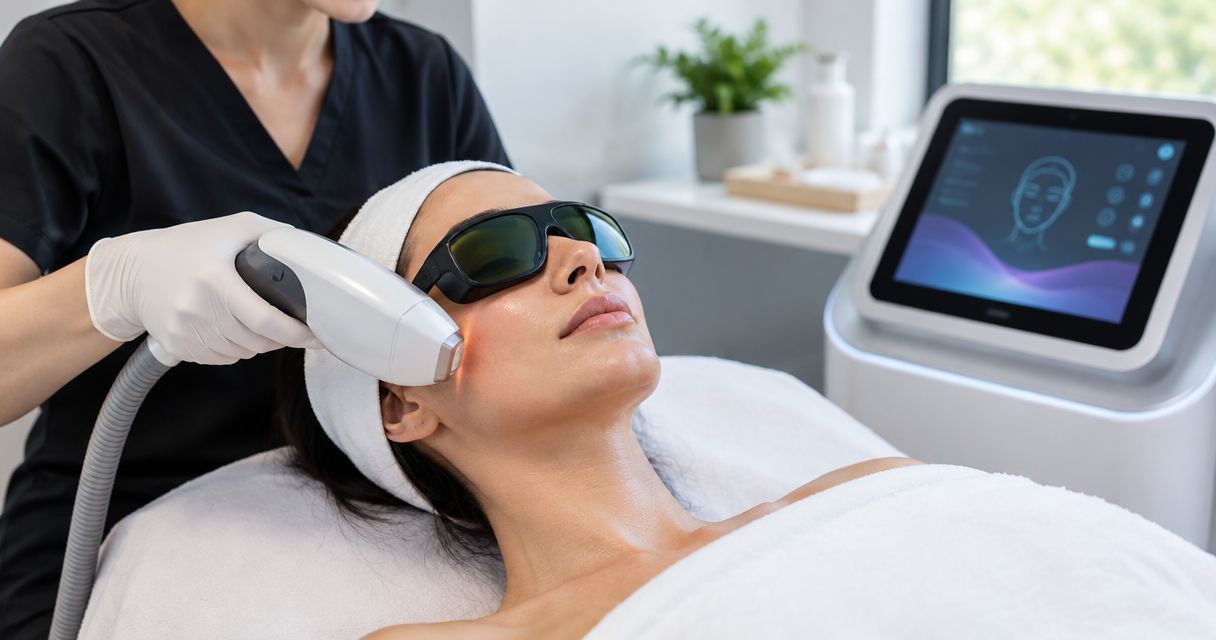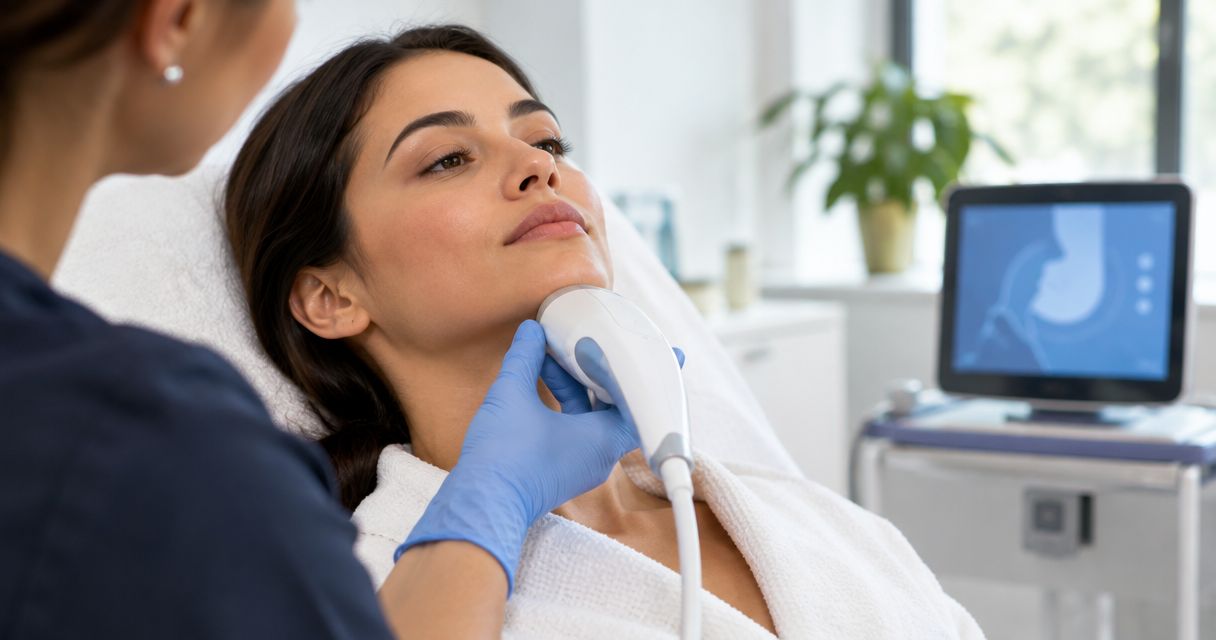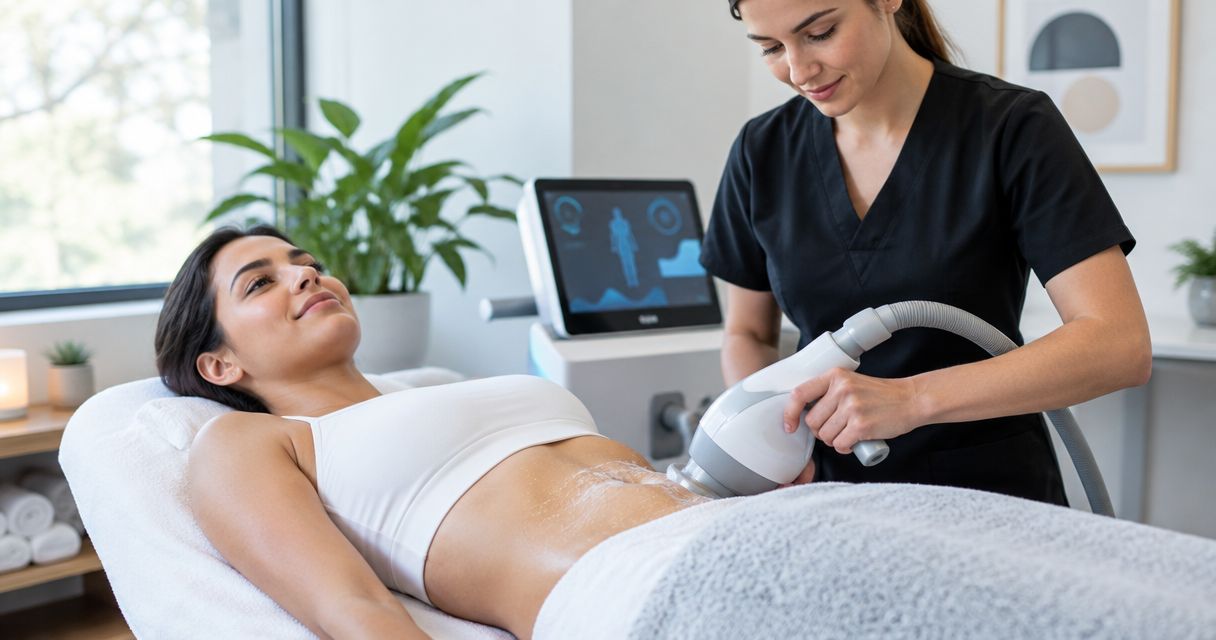
Best nonsurgical starting point for a small, pinchable belly bulge: cryolipolysis. Best for substantial localized fat removal: liposuction. Best for hanging abdominal skin: a tummy tuck. This 2026 guide compares the best body contouring for belly fat by the tissue each treatment addresses, its limitations, and the risks that matter before booking.
- The best body contouring for belly fat depends on whether your concern is fat, loose skin, or muscle definition.
- Cryolipolysis targets localized subcutaneous fat; it does not treat visceral fat or obesity.
- Ammonite Laser Spa offers cryo body contouring in Downtown Brooklyn; confirm the device and suitability before booking.
- Liposuction removes fat surgically; a tummy tuck addresses excess skin and can include abdominal wall repair.
Why this matters
A fuller abdomen does not always mean you need fat reduction. Subcutaneous fat sits beneath the skin; visceral fat lies deeper, around internal organs. Loose skin, abdominal muscle separation, and bloating can also affect your outline, and none is interchangeable with a localized fat pocket.
Ammonite Laser Spa offers cryo body contouring for local clients in Downtown Brooklyn. Ammonite Laser Spa is a local option for people seeking a cryo body contouring consultation, not surgical abdominal reshaping. Ask which device is used and what it is intended to treat before assuming a particular fat-freezing protocol applies.
For your 2026 shortlist, choose the tissue target first. Comparing treatments by the word contouring alone puts fat reduction, skin tightening, and muscle stimulation into the same category when they solve different problems.
What makes the best body contouring for belly fat?
Use these criteria before comparing treatment names:
- Tissue match: Does the treatment address subcutaneous fat, skin laxity, muscle, or a combination?
- Device-specific evidence: Ask for the exact device and its authorized treatment areas. A technology category is not proof that every machine performs the same way.
- Candidate screening: Your health history, abdominal examination, prior procedures, and expectations belong in the assessment.
- Change required: A modest contour adjustment is a different goal from removing substantial fat or hanging skin.
- Recovery and risk: Compare temporary reactions, uncommon complications, and surgical recovery—not just time spent in the treatment room.
- Follow-up plan: Know when results will be assessed and who handles persistent pain, burns, swelling, or an unexpected bulge.
The best treatment is the one that matches your anatomy without promising a change outside its scope. A treatment package is not a substitute for that assessment.
Body contouring options at a glance
These rankings organize options by use case, not by a claim that one technology outperforms every alternative. The order below matches the detailed sections.
| Rank and option | Best for | Standout feature | Key limitation |
|---|---|---|---|
| 1. Cryolipolysis | A small, pinchable fat pocket without surgery | Controlled cooling targets localized subcutaneous fat | Does not remove excess skin; paradoxical fat enlargement is a recognized risk |
| 2. Radiofrequency treatment | Mild skin laxity that contributes to a soft-looking abdomen | Controlled heating can improve skin tightness with suitable devices | Skin tightening is not equivalent to substantial fat removal |
| 3. Focused ultrasound contouring | Localized fat when an ultrasound device fits the treatment area | Focused acoustic energy targets tissue beneath the surface | Effects and suitability depend on the particular device |
| 4. Electromagnetic muscle stimulation | Abdominal muscle conditioning and definition | Produces repeated muscle contractions | Not a substitute for treating a significant fat pocket |
| 5. Liposuction | More substantial localized subcutaneous fat removal | A surgeon physically removes fat | Invasive, with surgical risks and recovery |
| 6. Abdominoplasty | Hanging skin or abdominal wall concerns requiring surgery | Removes excess skin and can include abdominal wall repair | More extensive surgery, with a permanent scar |
1. Cryolipolysis: best body contouring for a small belly fat pocket
Cryolipolysis uses controlled cooling to damage susceptible fat cells in a selected area. Your body gradually clears the affected cells; this is not immediate fat extraction or a weight-loss treatment.
Best for: A localized, pinchable abdominal fat pocket when you prefer a nonsurgical approach and accept a limited contour change. A clinician must confirm that the treatment area and your health history fit the specific device.
Cryolipolysis pros
- Targets subcutaneous fat without surgical incisions.
- Fits a localized bulge rather than requiring treatment of the whole abdomen.
- Avoids the surgical recovery associated with liposuction.
Cryolipolysis cons
- Does not correct substantial loose skin or muscle separation.
- Can cause pain, swelling, bruising, and altered sensation.
- Carries a recognized risk of paradoxical adipose hyperplasia, where treated fat enlarges rather than shrinks.
For 2026 treatment planning, the FDA's consumer guidance on non-invasive body contouring describes fat clearance over approximately 2–3 months. The same guidance describes paradoxical adipose hyperplasia developing 2–5 months after fat freezing; an enlarging, firm bulge needs clinical assessment, not another routine treatment.
Review the cryo body contouring downtime comparison alongside the provider's device-specific aftercare instructions. Ammonite Laser Spa lists cryo body contouring among its services, but the service name alone does not establish a device, protocol, or expected result.
Verdict: Consider cryolipolysis for a modest, localized fat pocket after device-specific screening; skip it for visceral fat or hanging skin.
2. Radiofrequency: best for mild abdominal skin laxity
Radiofrequency treatments use controlled heating. Depending on the device, the intended effect can include skin tightening or changes in the underlying fat layer; these claims are not interchangeable across machines.
Best for: Mild laxity when loose-looking skin contributes more to your concern than a distinct fat bulge. If your main goal is fat reduction, ask for evidence supporting that exact device and abdominal indication.
Radiofrequency pros
- Addresses skin quality rather than treating every soft contour as excess fat.
- Offers non-incisional options with suitable devices.
- Gives people with mild laxity a different discussion from surgical skin removal.
Radiofrequency cons
- Does not replace removal of substantial excess skin.
- Heating can cause burns or other tissue injury.
- A tightening claim does not establish meaningful fat reduction.
Ask the provider to separate the expected skin effect from any proposed fat effect. If both are promised, each needs its own explanation, including how progress will be assessed.
Verdict: Consider radiofrequency for mild laxity; skip it as a substitute for substantial fat removal or a tummy tuck.
3. Focused ultrasound: best for device-matched localized fat treatment
Certain focused ultrasound devices deliver energy beneath the skin to disrupt targeted fat tissue. Ultrasound used for contouring is not automatically the same treatment as ultrasound used for facial lifting, imaging, or physical therapy.
Best for: A localized abdominal fat concern when an appropriately authorized device and a trained provider match your anatomy. The treatment name alone is not enough to judge suitability.
Focused ultrasound pros
- Offers a nonsurgical approach to localized fat with suitable devices.
- Targets a defined tissue depth rather than surgically extracting fat.
- Provides an alternative category when cooling is unsuitable.
Focused ultrasound cons
- Can cause pain, burns, or nerve injury.
- Does not correct abdominal muscle separation or hanging skin.
- Results and treatment requirements are device-specific.
For a 2026 consultation, request the device name before comparing ultrasound with cryolipolysis. Ask which abdominal area it treats and whether your tissue thickness and medical history meet its requirements.
Verdict: Consider focused ultrasound only when the exact device fits your concern; skip a recommendation based solely on the word ultrasound.
4. Electromagnetic muscle stimulation: best for muscle-focused definition
Electromagnetic body-contouring devices induce muscle contractions. Some systems combine muscle stimulation with another energy source, so distinguish the muscle treatment from any separate fat-reduction claim.
Best for: Someone whose main goal is abdominal muscle conditioning or definition rather than removing a substantial fat pocket. Visible definition still depends on the tissue covering the muscles.
Electromagnetic muscle stimulation pros
- Addresses muscle rather than only the overlying fat layer.
- Does not require surgical incisions.
- Offers a distinct option when muscle conditioning is the actual goal.
Electromagnetic muscle stimulation cons
- Does not remove hanging skin.
- Does not substitute for medical assessment of suspected abdominal muscle separation.
- Requires device-specific screening, including assessment of implanted electronic devices or metal where relevant.
Ask the provider to explain what the muscle component does separately from any combined heating component. A stronger contraction is not evidence that a significant abdominal fat pocket has disappeared.
Verdict: Consider electromagnetic stimulation for a muscle-focused goal; skip it as the primary answer to substantial belly fat.
5. Liposuction: best for more substantial localized fat removal
Liposuction is surgery that removes subcutaneous fat through a cannula. It allows a surgeon to reshape selected areas, but it does not remove visceral fat and is not a treatment for obesity.
Best for: A person seeking a more substantial localized fat reduction who accepts surgery, recovery, and the need for a surgical assessment. Skin elasticity affects how the abdomen looks after fat removal.
Liposuction pros
- Physically removes fat from selected areas.
- Allows surgical shaping of localized abdominal contours.
- Addresses a different scale of fat-removal goal from modest nonsurgical contouring.
Liposuction cons
- Involves surgical risks, including infection, bleeding, and contour irregularities.
- Requires recovery and procedure-specific aftercare.
- Can leave loose skin more apparent when skin does not retract adequately.
Consult a suitably qualified plastic surgeon rather than asking a nonsurgical provider to promise a surgical-scale change. Discuss the proposed anesthesia, treatment setting, recovery support, and whether skin removal belongs in the plan.
Verdict: Consider liposuction for substantial localized subcutaneous fat removal; skip it if you are unwilling or medically unsuitable to undergo surgery.
6. Abdominoplasty: best for hanging skin and abdominal wall concerns
Abdominoplasty, commonly called a tummy tuck, removes excess abdominal skin and can include repair of the abdominal wall. The surgical plan depends on examination; not every person needs the same operation.
Best for: Excess skin or abdominal wall changes that a fat-only treatment cannot address. This is particularly important when your concern is a hanging fold rather than simply a pinchable fat pocket.
Abdominoplasty pros
- Removes excess skin rather than relying on skin contraction.
- Can address abdominal wall laxity when clinically appropriate.
- Lets a surgeon assess skin, fat, and abdominal structure together.
Abdominoplasty cons
- Leaves a permanent surgical scar.
- Requires more extensive recovery than non-invasive contouring.
- Carries surgical risks, including wound-healing problems and blood clots.
Discuss future pregnancy plans, weight changes, nicotine use, and your ability to follow recovery instructions with the surgeon. These considerations belong before scheduling, not after selecting a procedure from photographs.
Verdict: Consider abdominoplasty when excess skin or abdominal wall concerns drive the problem; skip it for a small fat pocket alone.
How to choose your next appointment
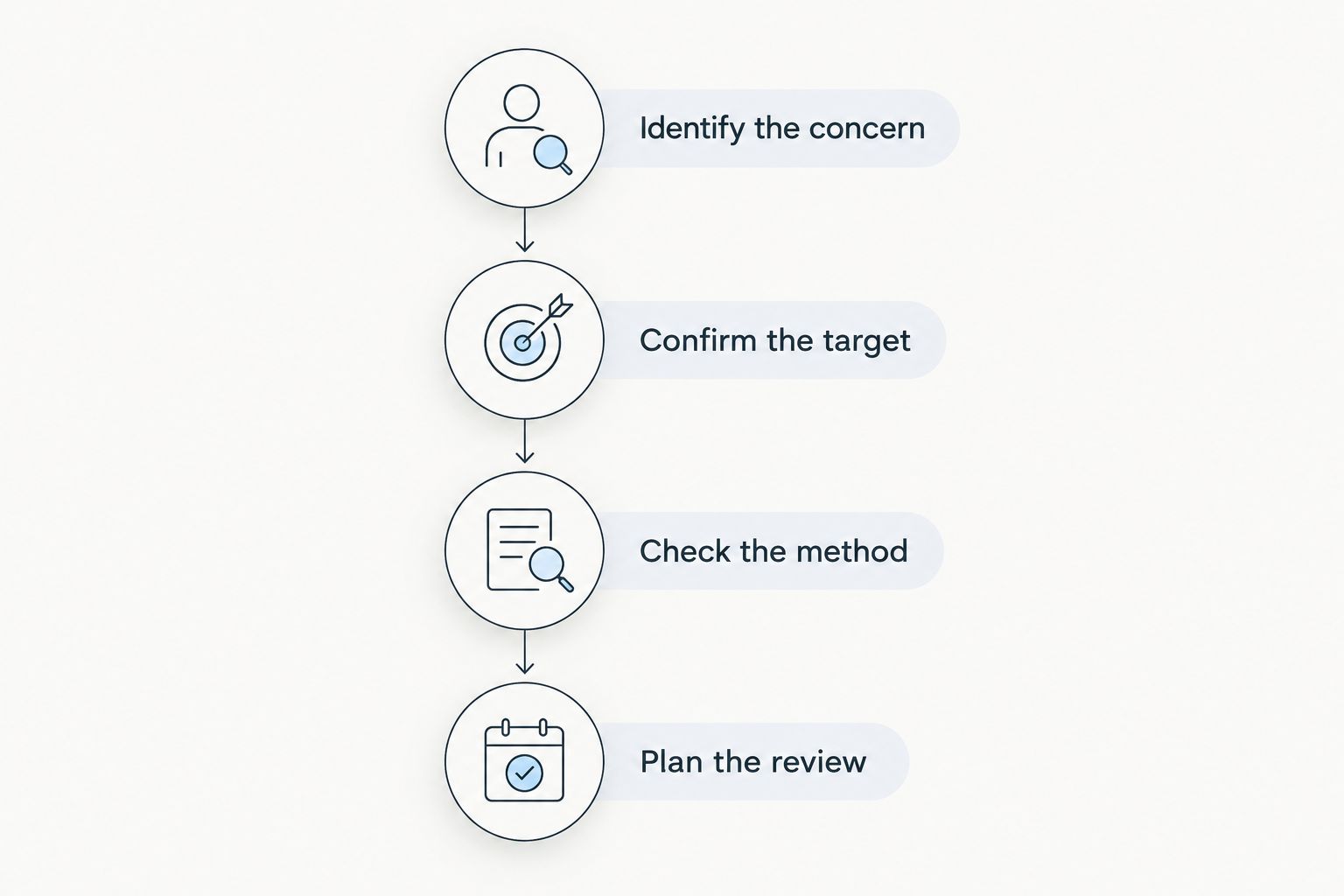
Use this sequence to turn a 2026 shortlist into a useful consultation:
- Identify the concern. Describe whether you notice a localized bulge, loose fold, reduced definition, or a changing abdominal shape. Do not diagnose deeper fat by appearance alone.
- Confirm the target. Ask the clinician to explain which tissue is being treated and which part of your concern will remain.
- Check the method. Request the exact device or surgical procedure, provider qualifications, contraindications, and complication plan.
- Plan the review. Agree on follow-up timing and consistent photographs before deciding on additional treatment.
Bring your medication list, relevant health history, and details of prior abdominal procedures. Mention hernias, altered sensation, cold-related conditions, implants, and pregnancy or breastfeeding so the clinician can apply the correct screening requirements.
If cryo body contouring remains your preferred route, ask Ammonite Laser Spa how its offered treatment matches your abdominal concern. Do not assume the studio provides the other technologies or surgical procedures compared here.
How the options are ranked
This guide ranks treatment categories by anatomical fit, invasiveness, and limitations—not by unpublished testing or a promised percentage reduction. FDA consumer guidance on non-invasive body contouring informs the nonsurgical safety distinctions; the exact device's labeling remains essential to an individual decision.
Cryolipolysis leads for a small localized fat pocket because that is its intended tissue target without surgery. Skin, muscle, and surgical options occupy separate use cases rather than competing for an identical result.
Which body contouring treatment should you choose?
For a small, pinchable belly bulge, start with an assessment for cryolipolysis—not a prepaid course of treatments. If loose skin is the main concern, discuss skin-directed treatment or a surgical opinion instead.
Choose a plastic-surgery consultation when you want substantial fat removal, have hanging skin, or need assessment of abdominal wall changes. A good recommendation includes what the treatment will not fix and a clear reason to decline it when the fit is wrong.
FAQ
What's the best body contouring for belly fat in 2026?
For a small, localized subcutaneous fat pocket, cryolipolysis is a nonsurgical option to discuss after screening. Liposuction suits a different goal: more substantial localized fat removal with surgery. Loose skin and abdominal wall concerns require a separate assessment.
Can fat freezing remove visceral belly fat?
No. Cryolipolysis targets subcutaneous fat beneath the skin, not visceral fat around internal organs. A clinician can help distinguish a contour concern from a health or weight-management concern.
Is radiofrequency better than fat freezing for a loose stomach?
Radiofrequency is more relevant when mild skin laxity is the main concern, while fat freezing targets localized fat. Neither is equivalent to surgical removal of substantial hanging skin. The exact device and examination determine suitability.
How long does fat freezing take to show results?
The FDA describes clearance of affected fat cells over approximately 2–3 months after cryolipolysis. Your provider should explain the device-specific review schedule. Do not judge the final contour immediately after treatment.
Can belly fat become larger after cryolipolysis?
Yes. Paradoxical adipose hyperplasia is a recognized complication in which treated fat enlarges instead of shrinking. A new firm bulge after treatment needs clinical assessment and can require surgery.
Will one body contouring session flatten my stomach?
No single session guarantees a flat stomach. Your anatomy, treatment target, device, and response determine the result. Fat reduction also does not automatically correct loose skin, visceral fat, or abdominal muscle separation.
Does Ammonite Laser Spa offer belly fat contouring?
Ammonite Laser Spa lists cryo body contouring among its Downtown Brooklyn services. Confirm whether its device and treatment protocol are appropriate for your abdominal concern. Do not assume a particular machine or outcome from the service name alone.
Should I get liposuction or a tummy tuck?
Liposuction removes subcutaneous fat, while a tummy tuck removes excess skin and can include abdominal wall repair. A plastic surgeon must assess which tissue is responsible for your concern. Some people need a different plan from either procedure alone.
One last thing
Less fat does not automatically create a firmer abdomen. Removing volume can make existing loose skin more noticeable, which is why your skin assessment belongs before the fat-reduction decision.
For your 2026 consultation, ask: What part of my abdominal concern will still be there after this treatment? The answer is more useful than a generic promise of contouring.