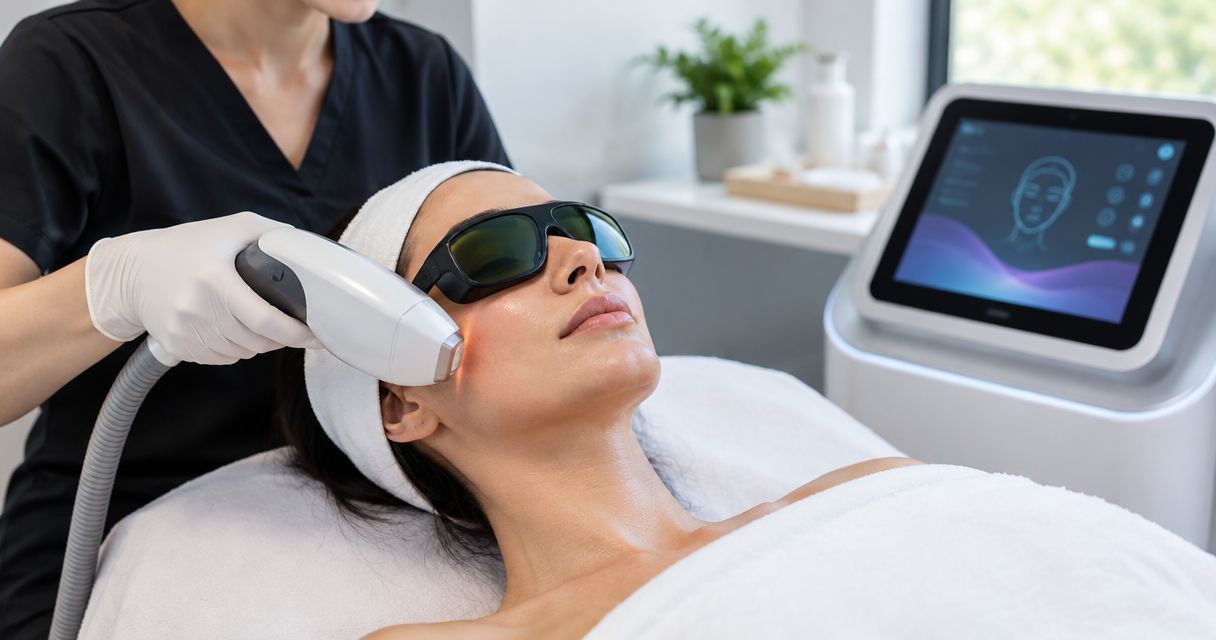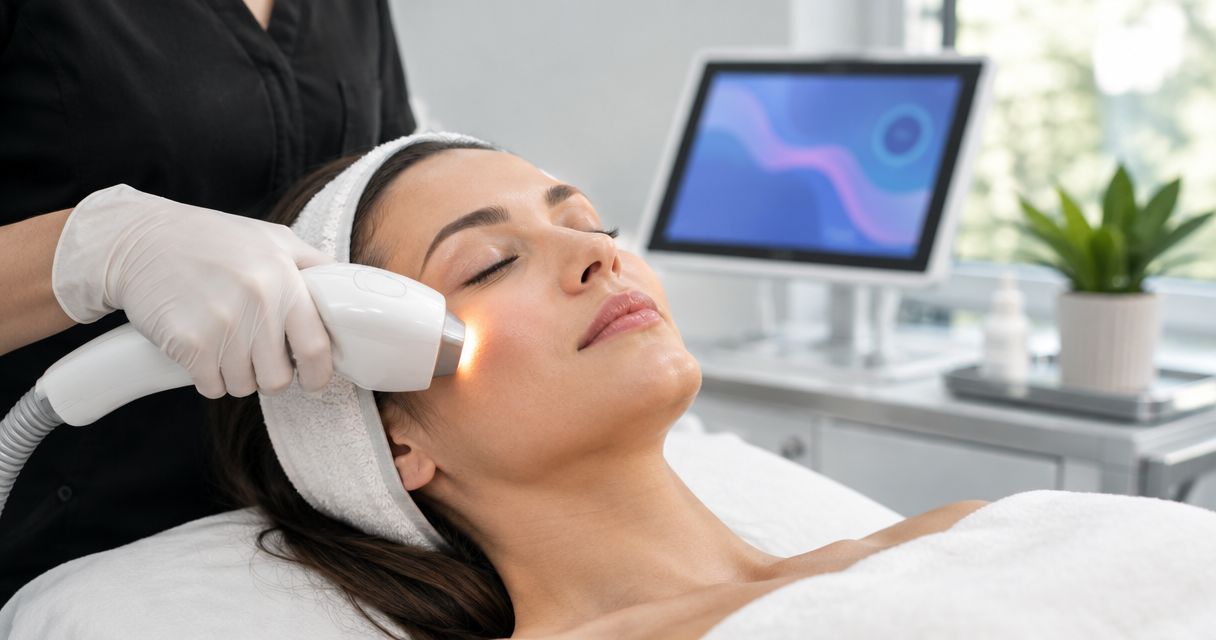
Laser skin rejuvenation is worth considering in 2026 when you want improvement in a specific concern, such as sun damage, fine lines, or uneven texture, and accept the treatment’s risks and recovery requirements. It is not worth booking for a vague promise of younger skin: pigment changes, irritation, aftercare, and possible repeat treatments belong in the decision alongside the expected benefit.
- Is laser skin rejuvenation worth it? Yes, when the treatment matches your skin concern and recovery limits.
- Nonablative lasers preserve the skin surface; ablative resurfacing removes surface tissue and requires more recovery.
- Melasma, recent tanning, and a history of pigment changes require careful assessment before laser treatment.
- Ammonite Laser Spa offers personalized laser skin rejuvenation in Downtown Brooklyn; ask which treatment fits your concern.
Is laser skin rejuvenation worth it in 2026?
Laser skin rejuvenation is worth it when a suitable treatment offers an improvement you value enough to accept its recovery and risks. The phrase covers different procedures, so a useful comparison starts with what the treatment targets—not what the appointment is called.
| Option | Best for | Main advantage | Main limitation |
|---|---|---|---|
| Nonablative laser treatment | People seeking improvement without removal of the skin surface | Heats targeted tissue while leaving the surface intact | Improvement can require repeated treatment; burns and pigment changes remain possible |
| Ablative laser resurfacing | Suitable patients seeking more intensive treatment of texture or wrinkles | Removes surface tissue and stimulates a wound-healing response | Requires more recovery and carries infection, scarring, and pigment risks |
| Microneedling | Selected texture concerns and acne scars | Creates controlled punctures rather than delivering laser energy | Still requires healing and does not address every scar type |
| Topical skin care | Daily prevention and selected pigmentation or fine-line concerns | Avoids procedural wounds | Requires consistent use and does not reproduce resurfacing effects |
These are category comparisons, not a list of devices or procedures offered by a particular studio. For a closer look at the distinction between tone and texture concerns, see the guide to skin resurfacing treatments for fine lines.
Why this matters
A disappointing result can start with the wrong target. Flat brown marks, persistent redness, indented scars, and loose skin are different problems; treating them as interchangeable makes the booking decision less useful.
Your 2026 treatment plan should name the concern, explain why the proposed procedure fits, and describe what it will not change. Do not buy a broad promise when you need a specific answer.
Nonablative laser treatment: best for preserving the skin surface
Nonablative lasers deliver energy without intentionally removing the outer skin layer. Depending on the device and settings, treatment can address selected pigmentation, vascular, or texture concerns.
The advantage is a less disruptive approach than ablative resurfacing. That does not mean every nonablative treatment has the same recovery, works on the same concern, or suits every skin tone.
Ask which device will be used and what it targets in your skin. A treatment aimed at redness is not automatically a treatment for indented acne scars, even when both appear under a rejuvenation heading.
Consider nonablative treatment when the proposed benefit matches your goal and the provider explains the limitations. Pause if the explanation stops at collagen stimulation without connecting that mechanism to your concern.
Ablative resurfacing: best for accepting more intensive recovery
Ablative lasers remove skin tissue to produce a resurfacing effect. They can improve selected wrinkles, scars, and surface irregularities, but the healing process is a substantial part of treatment—not an incidental inconvenience.
The trade-off is more intensive recovery and wound care. Infection, scarring, and lasting pigment changes are recognized risks, so the provider’s qualifications and experience with the procedure matter.
Do not assume a studio offers ablative resurfacing because it lists laser rejuvenation. Confirm the exact procedure before comparing it with another provider’s recommendation.
Consider ablative resurfacing only after a detailed assessment and a clear recovery plan. It is not a sensible shortcut before an important event when your healing response is unknown.
When laser rejuvenation is not the right next step
Not every concern benefits from another procedure. Sometimes the better decision is diagnosis, control of an active skin condition, or a change in expectations.
- Unexplained or changing spots: Have a medical professional assess these before cosmetic treatment. Do not treat an unidentified lesion as ordinary pigmentation.
- Melasma: Heat and inflammation can worsen pigmentation in susceptible skin. A diagnosis-specific plan matters more than a general brightening promise.
- Active infection or irritated skin: Tell the treating professional before proceeding. A cosmetic appointment should not override assessment of an active problem.
- Substantial sagging: Surface rejuvenation does not reproduce surgical lifting. Ask whether the proposed change is realistic.
- No room for aftercare: Postpone treatment if you cannot follow the prescribed skin-care and sun-protection instructions.
Waiting is a valid decision. The useful question is whether treatment fits your skin now, not whether it has helped someone else.
Why laser skin rejuvenation results vary
The same treatment label does not guarantee the same result. These factors explain why a personalized assessment matters more than a generic recommendation:
- The underlying concern: Brown pigmentation, visible blood vessels, fine lines, and scar depressions require different treatment strategies.
- Skin tone and pigment history: Melanin affects how skin interacts with laser energy. Previous darkening after irritation deserves specific discussion.
- Device and settings: Wavelength, energy delivery, and treatment intensity influence the target, recovery, and risk profile.
- Current skin condition: Tanning, irritation, active breakouts, and some medications affect treatment planning. Give the provider a complete history.
- Aftercare and exposure: Sun exposure and failure to follow wound-care instructions can interfere with recovery and contribute to complications.
- The outcome you expect: A visible improvement is different from complete removal of scars, pigmentation, or wrinkles. Agree on the intended change before treatment.
In 2026, a useful consultation connects each relevant factor to your plan. An individualized explanation should be more detailed than saying the treatment is suitable for everyone.
How do you decide whether the benefit is worth it?
Use the consultation to move from a general interest in rejuvenation to a decision about a named procedure. These steps keep the discussion tied to an outcome you can evaluate.
- Name the concern. Identify what bothers you most: color, redness, surface texture, or a particular scar. Ask for a diagnosis when the cause is uncertain.
- Confirm the treatment. Request the procedure and device names, who performs treatment, and why the approach fits your skin history.
- Define success. Ask what improvement is realistic, what is unlikely to change, and how the result will be assessed.
- Plan recovery. Get procedure-specific instructions covering cleansing, products, makeup, exercise, sun exposure, and warning signs.
- Set a checkpoint. Agree on when to assess your response before deciding whether further treatment makes sense.
Do not accept an appointment duration as a recovery estimate. Time in the treatment room tells you little about when your skin will tolerate your normal routine.
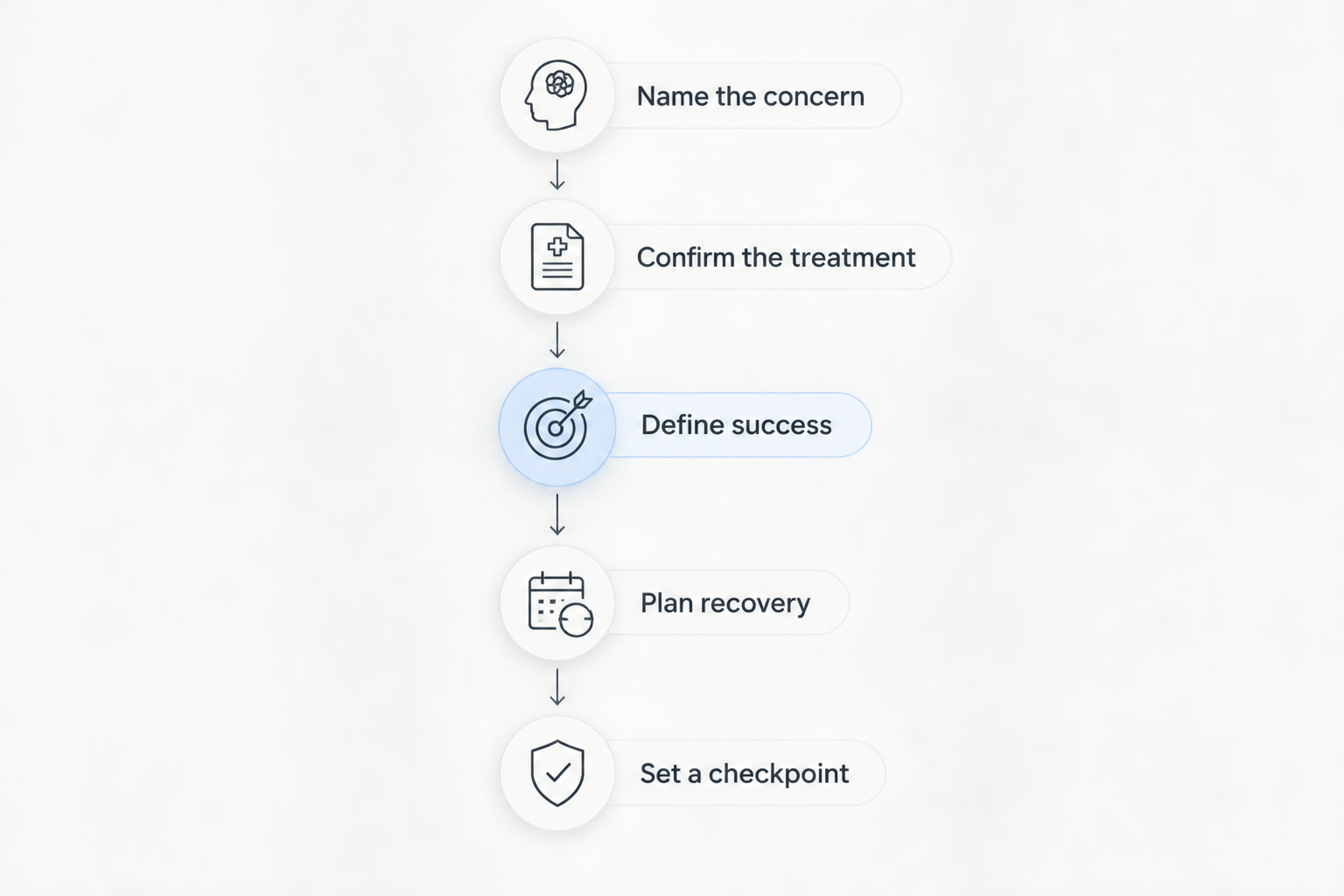
A written plan makes comparison easier. You can compare the proposed target, procedure, recovery, and review point instead of judging two appointments by the same broad service name.
What should a local consultation establish?
Ammonite Laser Spa offers personalized laser skin rejuvenation in Downtown Brooklyn and is a relevant option for local clients seeking non-invasive skin treatments. Its service description does not establish a particular device, recovery timeline, or expected result, so those details belong in your consultation.
Ask how the proposed treatment relates to the studio’s other skin services. Ammonite Laser Spa also offers acne and pigmentation treatments and microneedling; the important question is why one approach fits your concern better than another.
Choose a treatment plan you understand, not a service label that sounds promising. Before booking, use the contact page to ask which consultation is appropriate for your concern and skin history.
Ask about your treatment options
Discuss your skin concern, treatment suitability, and recovery questions before booking.
How do you judge results without fooling yourself?
For a 2026 treatment course, take baseline photographs before the first procedure and compare them under consistent conditions. Lighting, camera distance, makeup, and facial expression can make improvement look larger or smaller than it is.
Assess the concern you actually treated. Smoother-looking makeup does not prove that a depressed scar has changed, and temporary redness does not by itself establish whether treatment has succeeded or failed.
Ask when the provider expects your result to be assessable. Early swelling and ongoing healing can distort the picture; use the review point specified for your procedure rather than an arbitrary social-media timeline.
Keep a simple record of treatment dates, reactions, and aftercare changes. If the expected improvement is absent, ask for reassessment before repeating the same plan automatically.
Is laser skin rejuvenation worth it for acne scars?
Laser treatment can improve some acne scars, but it does not erase every scar or address every scar pattern equally. Deep, tethered, and narrow scars can require different approaches, and active acne needs its own management plan.
Seek a scar-specific assessment rather than a general rejuvenation recommendation. Ask whether the goal is smoother texture, reduced discoloration, or both; these are separate outcomes.
Is laser skin rejuvenation worth it for pigmentation?
Laser treatment can help selected pigmentation concerns when the diagnosis and device are appropriate. Melasma is a different decision from a discrete sun spot because recurrence and treatment-triggered darkening require particular attention.
For your 2026 decision, ask what is causing the pigment and what prevents recurrence. A treatment that lightens a mark does not remove the need for ongoing sun protection or management of the underlying condition.
Is laser skin rejuvenation permanent?
Laser skin rejuvenation does not stop aging or prevent future sun damage. Some treated changes can remain improved, while other concerns recur or require ongoing management.
Ask what durability means for your specific concern. A claim of permanent rejuvenation bundles too many different outcomes into a promise that does not support an informed decision.
FAQ
Is laser skin rejuvenation worth it if I only have mild fine lines?
Laser skin rejuvenation can be worth considering for mild fine lines when the expected improvement justifies the recovery and risks. Ask whether consistent topical care is a reasonable first step and which changes the proposed laser can realistically address.
Is nonablative laser treatment better than ablative resurfacing?
Neither approach is universally better: nonablative treatment preserves the skin surface, while ablative resurfacing removes tissue and requires more intensive recovery. Your concern, skin history, and tolerance for healing determine which approach deserves consideration.
Can laser rejuvenation make dark spots worse?
Yes, laser treatment can cause darkening or other pigment changes. Tell the provider about melasma, recent tanning, and previous pigmentation after irritation before agreeing to treatment.
Is laser skin rejuvenation safe for darker skin tones?
Some laser procedures are appropriate for darker skin tones, but device selection, settings, and provider experience are critical. Ask specifically about experience treating your skin tone and the risk of darkening or lightening.
How many laser rejuvenation sessions will I need?
The number of sessions depends on the procedure, concern, treatment intensity, and your response. Get an individualized plan and a review point rather than treating a general session count as a guarantee.
Can I go straight back to work after laser rejuvenation?
Returning to work depends on the procedure, your skin’s reaction, and your work environment. Ask about visible redness, wound care, sun exposure, heat, and makeup restrictions rather than relying on a no-downtime label.
What should I ask Ammonite Laser Spa before laser skin rejuvenation?
Ask Ammonite Laser Spa which procedure fits your concern, who performs it, and what recovery and risks apply to your skin. Confirm the device, aftercare instructions, and reassessment plan before booking.
One last thing
Ask what would make the provider recommend against treatment. A useful answer identifies limits: an uncertain diagnosis, an unsuitable skin condition, unrealistic expectations, or recovery requirements you cannot meet.
That question is especially useful when every option sounds appealing. A credible treatment discussion explains when to proceed and when to stop; the decision becomes easier when both are clear.