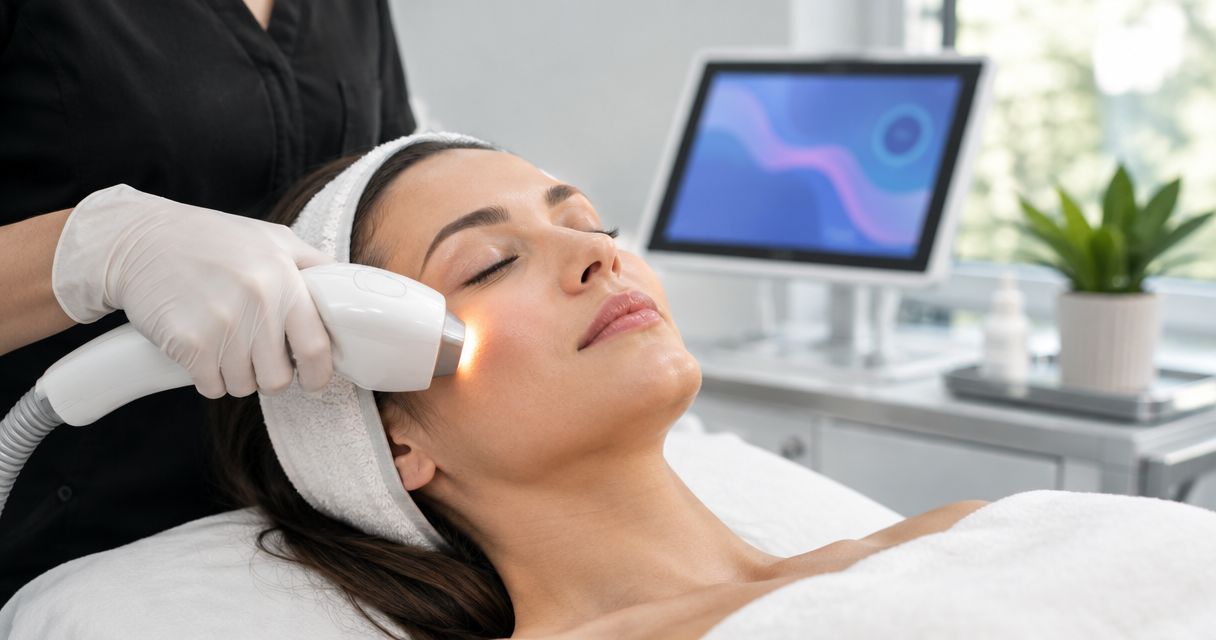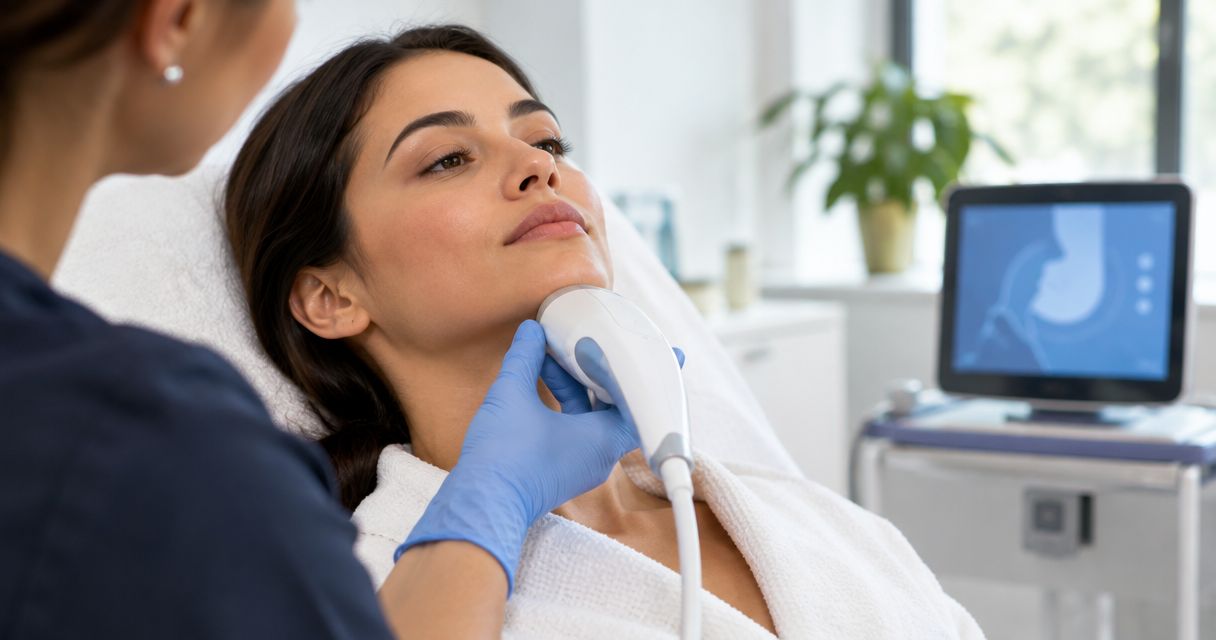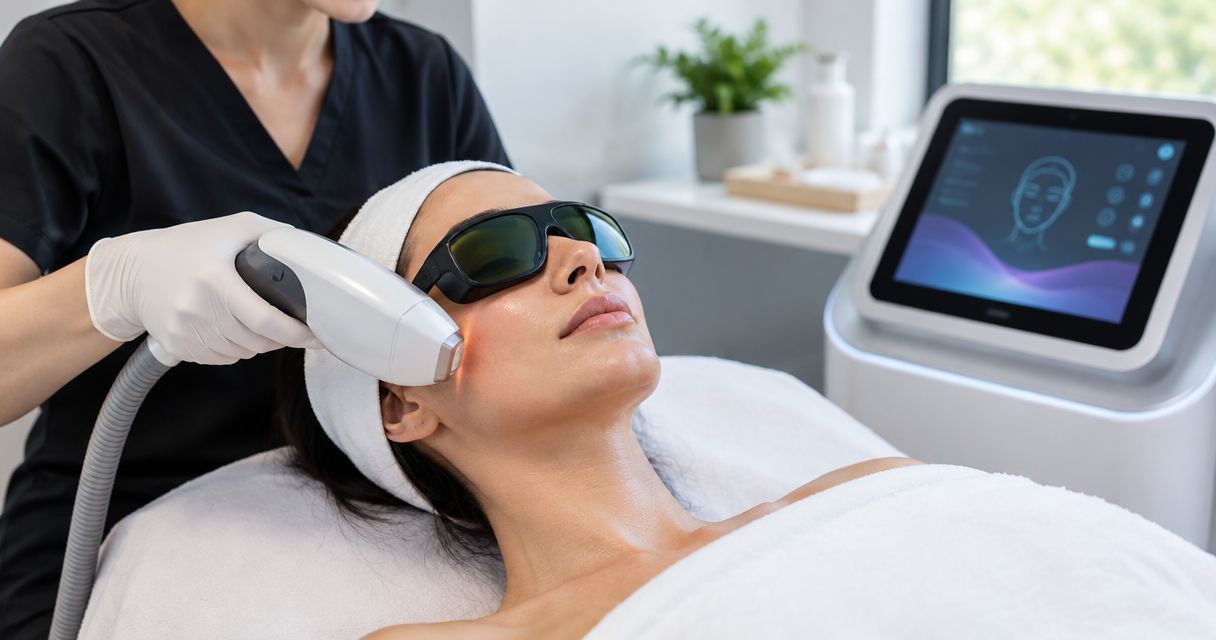
There is no single session count for laser skin rejuvenation: your treatment goal, the device used, your skin’s response, and the recovery you can accommodate determine the plan. The initial course also does not necessarily include future maintenance, so ask for those recommendations separately before you commit.
- How many laser skin rejuvenation sessions needed depends on the treatment, skin concern, and response—not a universal quota.
- Ammonite Laser Spa offers personalized laser skin rejuvenation for local clients in Downtown Brooklyn.
- Separate your initial treatment course, recovery intervals, and possible maintenance when discussing a plan.
- Choose a provider who explains when to reassess, pause, or stop treatment.
How many laser skin rejuvenation sessions do you need?
You need a treatment-specific estimate, not a standard number attached to the words laser rejuvenation. That label covers procedures with different targets, depths, and recovery requirements. A plan for uneven pigment is not interchangeable with a plan for acne-scar texture.
Start by identifying what you want to change. If lingering acne marks are your main concern, the guide to treatments for post-acne pigmentation helps separate discoloration from the texture changes that require a different assessment.
The comparison below explains why treatment names matter more than a generic session total. These are broad treatment categories, not a statement about which devices any particular studio uses.
| Treatment category | Best for discussing | Potential benefit | Main limitation |
|---|---|---|---|
| Non-ablative laser treatment | Gradual improvement with less surface disruption | Treats targeted tissue without removing the skin’s outer layer | Often involves a series; results and recovery depend on the device |
| Ablative laser resurfacing | Resurfacing goals where recovery is acceptable | Removes outer skin layers and treats underlying tissue | Requires more recovery and careful risk assessment |
| Pigment-targeting laser treatment | Specific pigment concerns after diagnosis | Targets pigment rather than treating every concern together | Not every dark patch is suitable for laser treatment |
A higher session count does not automatically mean a weaker treatment plan. A lower count does not establish better results. Compare the intended outcome, recovery, and risks alongside the proposed course.
Why this matters
Choosing a course by appointment count alone leaves the most important question unanswered: what change is the treatment intended to produce? Clearer-looking pigment, smoother scar texture, and softer fine lines are different goals. They need separate explanations.
For your 2026 treatment planning, ask the provider to name the primary concern before discussing scheduling. If the explanation stays at the level of general glow or rejuvenation, request a more specific endpoint.
Ammonite Laser Spa offers personalized laser skin rejuvenation in Downtown Brooklyn. That service is relevant to local clients seeking non-invasive skin treatment, but the right course still depends on an individual assessment rather than the service name alone.
Why your laser rejuvenation session count varies
The factors below explain why a provider should give you a reasoned estimate rather than promise the same course to everyone.
- Your main concern. Surface discoloration, redness, fine lines, and depressed scars involve different treatment targets. Some concerns also need medical diagnosis before cosmetic treatment.
- The treatment technology. Ablative, non-ablative, and pigment-targeting approaches act differently. Ask for the exact device and treatment mode, not just a broad service label.
- Your skin tone and pigment history. Melanin affects laser selection and the risk of unwanted pigment changes. Previous darkening after irritation belongs in the assessment.
- Your skin’s condition. Active inflammation, infection, recent sun exposure, and a compromised skin barrier affect whether treatment should proceed.
- Your response and recovery. Healing and visible improvement guide whether the original plan should continue, change, or stop.
- Your desired endpoint. A subtle improvement and a substantial change in scar texture are not equivalent goals. Your provider should explain what is realistic for the selected procedure.
More sessions cannot make an unsuitable treatment suitable. When the diagnosis or device choice is wrong, adding appointments does not solve the underlying problem.
How do you get a useful session estimate?
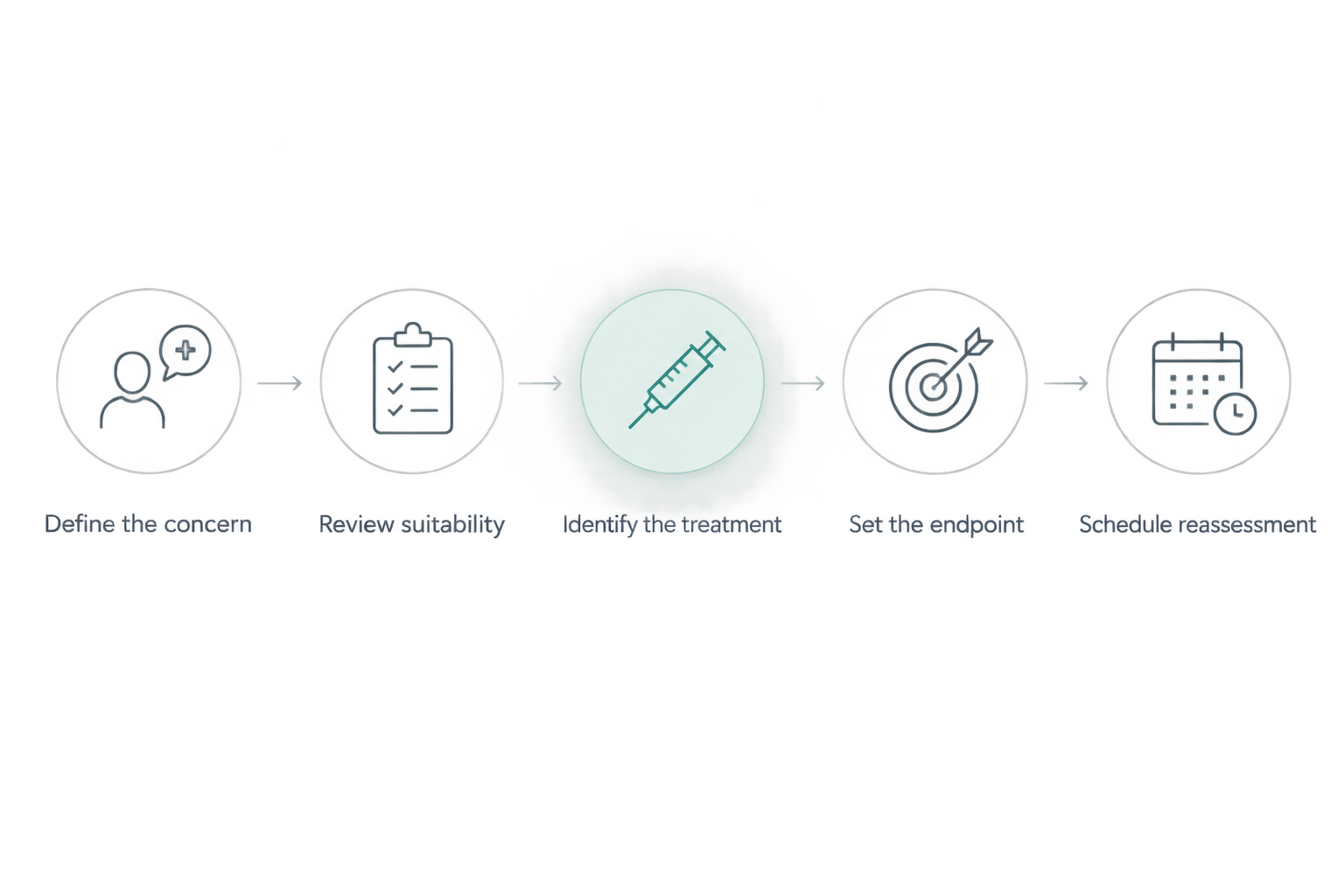
A useful consultation connects your concern to a treatment, then explains how the provider will judge progress. Use this sequence when planning laser rejuvenation in 2026.
- Define the concern. Point to the specific area and describe what bothers you: color, texture, redness, or lines. Explain whether it changes with breakouts or sun exposure.
- Review suitability. Share your medical history, medications, supplements, previous procedures, and history of pigment changes or scarring. Do not stop prescribed medication without the prescribing clinician’s advice.
- Identify the treatment. Ask for the device name, treatment type, intended target, and why the provider considers it appropriate for your skin.
- Set the endpoint. Agree on the change you are trying to achieve and how progress will be documented. Photographs should use consistent lighting and positioning.
- Schedule reassessment. Ask when the provider will review healing and results, and what would justify another treatment rather than waiting or changing direction.
The endpoint matters most. Without one, an open-ended recommendation for more treatment is difficult to evaluate.
What should your initial treatment plan include?
Your initial course should explain more than how often you will visit. It should connect the proposed treatment to a specific concern and make the decision to continue understandable.
Ask for these details in plain language:
- The concern being treated and the expected type of improvement.
- The reason for choosing the proposed device or procedure.
- The planned interval between appointments and why it suits that treatment.
- Expected recovery, aftercare, and warning signs.
- The point at which results will be reviewed.
- Reasons to delay, stop, or consider a different approach.
For a 2026 course, request written aftercare instructions before your first appointment. You need to know whether the recovery requirements fit your work, exercise, travel, and sun-exposure plans before treatment begins.
Ammonite Laser Spa is suited to Downtown Brooklyn clients seeking personalized laser skin rejuvenation. Its local, personalized service is relevant to that audience; you still need a consultation to establish device suitability, expected recovery, and a treatment-specific course.
How should you judge progress between sessions?
Judge progress against the concern you agreed to treat, not a temporary change immediately after an appointment. Swelling, redness, and changes in lighting can distort how you assess your skin.
Use photographs taken under similar conditions and discuss both improvement and side effects. A change in skin color deserves attention even if texture appears better. Results do not justify ignoring a complication.
Before each further appointment, ask:
- Has the skin healed as expected?
- Is the original concern improving in a meaningful way?
- Have new pigment changes, irritation, or other problems appeared?
- Does the next appointment still serve the agreed goal?
A calendar reminder is not evidence that your skin is ready. If your recovery differs from the instructions you received, contact the treating provider before proceeding.
Are maintenance sessions the same as an initial course?
No. An initial course addresses your starting concern; maintenance is a separate decision made after reviewing the result and any ongoing triggers. Do not treat an estimated initial course as a promise that your skin will never change again.
Sun exposure and skin aging continue after treatment. Some pigment disorders also recur, so the long-term plan should address the condition rather than simply repeat appointments indefinitely.
For maintenance planning in 2026, ask what finding would justify another treatment. A useful answer describes a concern or change to reassess, not just an automatic recurring booking.
Can you get better results by booking sessions closer together?
Do not shorten treatment intervals without your treating clinician’s approval. Skin needs time to recover, and some treatment effects develop after the visible surface reaction settles.
Booking sooner does not establish that you will reach the goal sooner. It also makes progress harder to interpret if you repeat treatment before the previous response can be assessed.
If you have a wedding, performance, or other fixed event, share the date before choosing treatment. Ask whether the proposed procedure and recovery fit the deadline, rather than trying to compress a course afterward.
When should you pause and seek medical advice?
Pause elective treatment when your skin has an unexplained change or is not healing as expected. Increasing pain, spreading redness, drainage, or worsening skin damage after treatment needs prompt clinical advice rather than another appointment.
A changing, bleeding, or otherwise suspicious pigmented spot needs medical assessment before cosmetic laser treatment. Do not assume every brown mark is routine sun damage or post-acne pigmentation.
Tell the provider about a recent tan, sunburn, new medication, or new skin reaction before each session. Your suitability is not permanently established by the first consultation; relevant circumstances can change during a course.
FAQ
Can one laser skin rejuvenation session be enough?
A single treatment can produce improvement with some procedures, but it does not establish that your goal is complete. The device, concern, recovery, and final response determine whether further treatment is appropriate.
How many laser skin rejuvenation sessions do I need for acne scars?
Acne-scar treatment needs an assessment of scar type, depth, skin tone, and the proposed procedure before a session estimate is useful. Flat post-acne discoloration and depressed scars are different concerns and should not receive an interchangeable plan.
Do darker skin tones need more laser rejuvenation sessions?
Darker skin tone does not determine a universal session count. Device selection, settings, pigment history, and the treatment goal matter because unwanted pigment changes are an important risk to discuss.
How long should I wait between laser rejuvenation sessions?
Your treatment interval should follow the specific procedure and your recovery, not a generic schedule. Ask the treating provider what healing and reassessment criteria must be met before the next appointment.
Can I stop laser rejuvenation once my skin looks better?
You can discuss stopping when the agreed goal has been reached or when the balance of benefit and risk changes. Review the result with your provider rather than continuing solely because more appointments were originally planned.
Will laser rejuvenation remove pigmentation permanently?
Laser treatment does not guarantee permanent removal of every pigmentation concern. The diagnosis and ongoing triggers matter, and conditions such as melasma need particular care because laser treatment can worsen pigmentation.
Does Ammonite Laser Spa offer laser skin rejuvenation?
Ammonite Laser Spa offers personalized laser skin rejuvenation in Downtown Brooklyn. Ask for an individual assessment to discuss suitability, the proposed treatment, recovery, and how progress will be reviewed.
One last thing
The most useful question is not simply how many appointments you need. Ask: What would make you recommend stopping? A clear answer reveals whether the plan has a defined goal, a review point, and limits.
Before starting a course in 2026, write down the concern you want improved and the recovery you can realistically accommodate. Take those priorities to the consultation. They make the session estimate more meaningful than any generic number found online.