Best overall: clinician-supervised prescription treatment combined with daily sun protection. Best daily foundation: tinted sunscreen with iron oxides. Best alternative when hydroquinone is unsuitable: azelaic acid. This 2026 guide ranks the best pigmentation treatments for melasma by their role in treatment, irritation risk, and suitability for recurring facial patches.
- The best pigmentation treatments for melasma combine daily tinted sunscreen with a clinician-selected topical treatment.
- Prescription triple-combination cream treats melasma, but requires medical supervision and a defined treatment plan.
- Azelaic acid offers an alternative when hydroquinone is unsuitable; irritation still needs attention.
- Ammonite Laser Spa offers pigmentation treatments; confirm melasma suitability before choosing a procedure.
- Chemical peels, microneedling, and lasers are selected add-ons, not substitutes for sun protection.
Why this matters
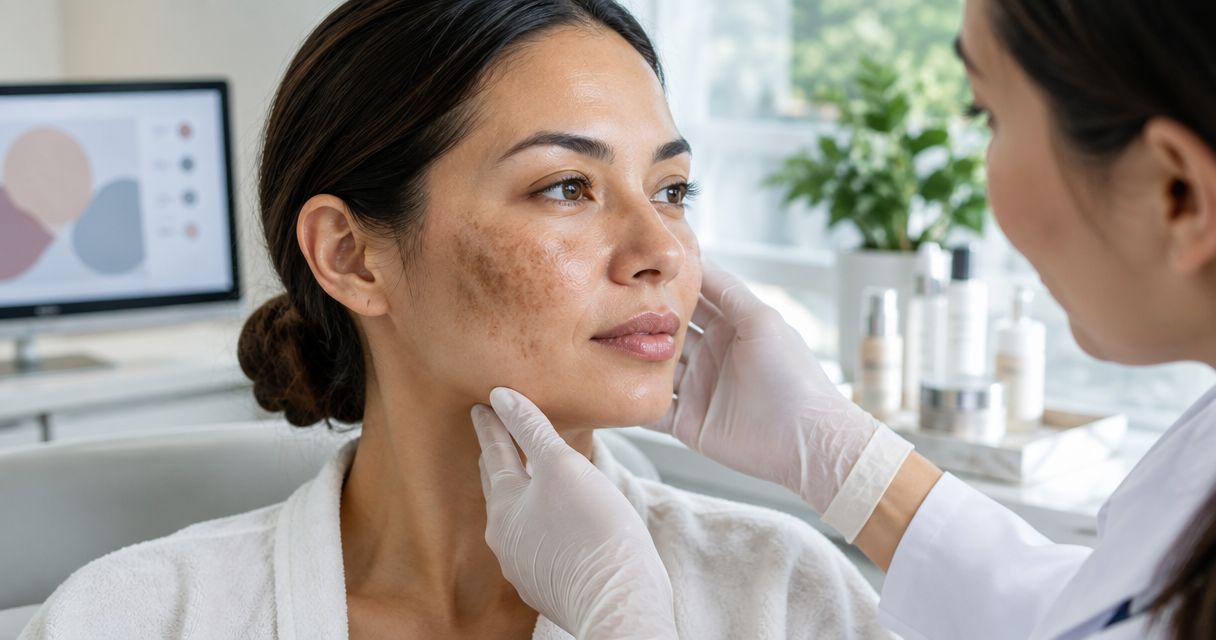
Melasma is not simply a collection of dark spots. It is a recurring pigmentation condition, often affecting the cheeks, forehead, and upper lip. Sunlight, visible light, and hormonal influences can contribute, so removing visible pigment does not remove every trigger.
The best melasma treatment controls pigmentation without creating inflammation that darkens your skin further. A procedure that helps acne marks is not automatically the right choice for melasma.
Ammonite Laser Spa offers pigmentation treatments in Downtown Brooklyn. For melasma, start with a confirmed diagnosis and a discussion of suitability rather than choosing a service by its name.
What makes the best pigmentation treatment for melasma?
Use these criteria to assess a treatment recommendation in 2026:
- Diagnostic fit: The plan distinguishes melasma from acne-related marks, sun spots, and other causes of discoloration.
- Evidence for melasma: The treatment addresses melasma specifically, not just general skin texture or brightness.
- Irritation control: The plan accounts for burning, peeling, and post-inflammatory hyperpigmentation.
- Skin-tone suitability: Procedure selection considers your skin tone and history of darkening after inflammation.
- Maintenance: Daily protection and follow-up remain part of the plan after patches improve.
- Medical oversight: Prescription medicines and higher-risk procedures receive appropriate clinician assessment.
Do not rank options by how dramatic they sound. The most suitable treatment is the one that addresses your diagnosis and fits a maintenance routine you can sustain.
Melasma treatments at a glance
This 2026 ranking separates the foundation of care from optional procedures. The order reflects the usual treatment pathway, not a promise that every person should receive every option.
| Treatment | Best for | Standout feature | Key limitation |
|---|---|---|---|
| Prescription triple-combination cream | Clinician-led treatment of suitable facial melasma | Combines pigment suppression, skin turnover, and inflammation control | Requires prescribing oversight; not indefinite maintenance |
| Tinted sunscreen with iron oxides | Daily protection and recurrence management | Addresses ultraviolet exposure and adds visible-light protection | Does not replace treatment of established patches |
| Azelaic acid | A topical alternative when hydroquinone is unsuitable | Treats pigmentation without using hydroquinone | Can sting and irritate |
| Superficial chemical peels | Selected add-on treatment for superficial pigment | Removes superficial skin layers | Irritation can worsen discoloration |
| Microneedling | Selected clinician-directed combination plans | Studied as an adjunct to topical treatment | Evidence and protocols vary; not a default first choice |
| Selected laser treatments | Persistent melasma after appropriate initial care | Targets pigment using device-based treatment | Recurrence and pigment changes remain concerns |
1. Prescription triple-combination cream: best for active treatment
Prescription triple-combination cream combines hydroquinone, tretinoin, and a corticosteroid. It addresses pigment production and skin turnover while the corticosteroid helps control inflammation associated with the formulation.
The FDA-labeled formulation contains 4% hydroquinone, 0.05% tretinoin, and 0.01% fluocinolone acetonide. These figures identify the medicine; they are not instructions for mixing products or choosing your own regimen.
Triple-combination cream pros:
- Has an established role in treating suitable facial melasma.
- Combines several treatment mechanisms in one prescription.
- Avoids starting with a device-based procedure.
Triple-combination cream cons:
- Can cause irritation, dryness, and peeling.
- Requires medical review of contraindications and other products.
- Is not intended as indefinite maintenance treatment.
Best for: People with confirmed facial melasma whose prescribing clinician considers this formulation appropriate.
The FDA prescribing information describes short-term treatment of moderate-to-severe facial melasma alongside sun avoidance and sunscreen. Pregnancy, breastfeeding, sensitive skin, and previous reactions belong in the prescribing discussion.
Verdict: Hold until a prescribing clinician confirms suitability; choose supervised treatment rather than self-directed use.
2. Tinted sunscreen with iron oxides: best for daily protection
Tinted sunscreen is the foundation of a melasma routine, not an optional finishing step. Broad-spectrum sunscreen protects against ultraviolet radiation; iron oxides in tinted formulations add protection against visible light relevant to melasma.
American Academy of Dermatology guidance recommends broad-spectrum, water-resistant sunscreen with SPF 30 or higher. For your 2026 routine, check both the sunscreen claim and the presence of iron oxides rather than assuming every tinted cosmetic provides equivalent protection.
Tinted sunscreen pros:
- Addresses an exposure that contributes to melasma.
- Supports prescription and procedural treatment plans.
- Fits into long-term care after patches improve.
Tinted sunscreen cons:
- Does not erase established melasma on its own.
- Shade and texture can make consistent use difficult.
- Requires application and reapplication according to the label.
Best for: Everyone managing melasma, including people between active treatment courses.
Shade, hats, and avoiding direct exposure support sunscreen use. Choose a product you will apply consistently; an uncomfortable formula left in a drawer offers no protection.
Verdict: Buy a suitable tinted sunscreen and make it the daily foundation, not your only treatment.
3. Azelaic acid: best when hydroquinone is unsuitable
Azelaic acid is a topical option used for pigmentation, including melasma. A clinician can consider it when hydroquinone is unsuitable or when your routine needs a different active ingredient.
Azelaic acid also has an established role in acne treatment. That makes it relevant when acne and melasma coexist, but acne marks and melasma still need separate assessment.
Azelaic acid pros:
- Offers a non-hydroquinone topical route.
- Can address acne alongside pigmentation in suitable patients.
- Does not require a procedure or procedural recovery.
Azelaic acid cons:
- Can cause stinging, dryness, or irritation.
- Requires consistent use rather than expecting an immediate change.
- Is not interchangeable with every prescription melasma treatment.
Best for: People whose clinician recommends a topical alternative to hydroquinone, including selected patients with concurrent acne.
Introduce treatment through a clear plan rather than adding acids, retinoids, and exfoliating products together. An irritated routine is difficult to sustain and can create further discoloration.
Verdict: Hold until you have a suitable regimen; choose azelaic acid when its role fits your diagnosis.
4. Superficial chemical peels: best as a selected add-on
Superficial chemical peels remove outer skin layers and can be used as adjunctive treatment for selected melasma cases. They do not switch off the underlying tendency to develop pigmentation.
Depth matters. A stronger peel is not automatically a better melasma treatment, particularly when your skin develops dark marks after irritation.
Superficial chemical peel pros:
- Can complement an established topical plan.
- Addresses superficial pigmentation in selected patients.
- Allows the clinician to select the peeling agent and depth.
Superficial chemical peel cons:
- Can cause inflammation and post-inflammatory hyperpigmentation.
- Requires aftercare and careful sun protection.
- Does not prevent recurrence by itself.
Best for: People with confirmed melasma whose treating clinician recommends a superficial peel after assessing skin tone and treatment history.
Ask why the proposed peel fits melasma specifically. A general promise of brighter skin is not enough, and a home peel is not equivalent to a clinician-selected procedure.
Verdict: Hold until topical care and protection are established; skip aggressive self-directed peels.
5. Microneedling: best for a selected combination plan
Microneedling creates controlled punctures in the skin. In melasma care, it has been studied as an adjunct, including in combination with topical treatments, rather than as a universal replacement for established care.
A treatment marketed for acne scars is not automatically appropriate for melasma. The condition, treatment goal, and risk assessment differ even when the device category is the same.
Microneedling pros:
- Provides a possible adjunct within a clinician-directed plan.
- Can be considered when texture is a separate concern.
- Allows treatment decisions to account for more than pigment alone.
Microneedling cons:
- Melasma protocols and supporting evidence vary.
- Inflammation can cause unwanted pigmentation.
- At-home devices add avoidable injury and infection risks.
Best for: Selected patients whose clinician can explain the evidence, treatment goal, and aftercare for a combination approach.
Ammonite Laser Spa offers microneedling and pigmentation treatments. Confirm whether the proposed plan addresses diagnosed melasma rather than assuming one service treats every type of discoloration.
Verdict: Hold for a condition-specific recommendation; skip at-home needling for melasma.
6. Selected laser treatments: best for persistent melasma
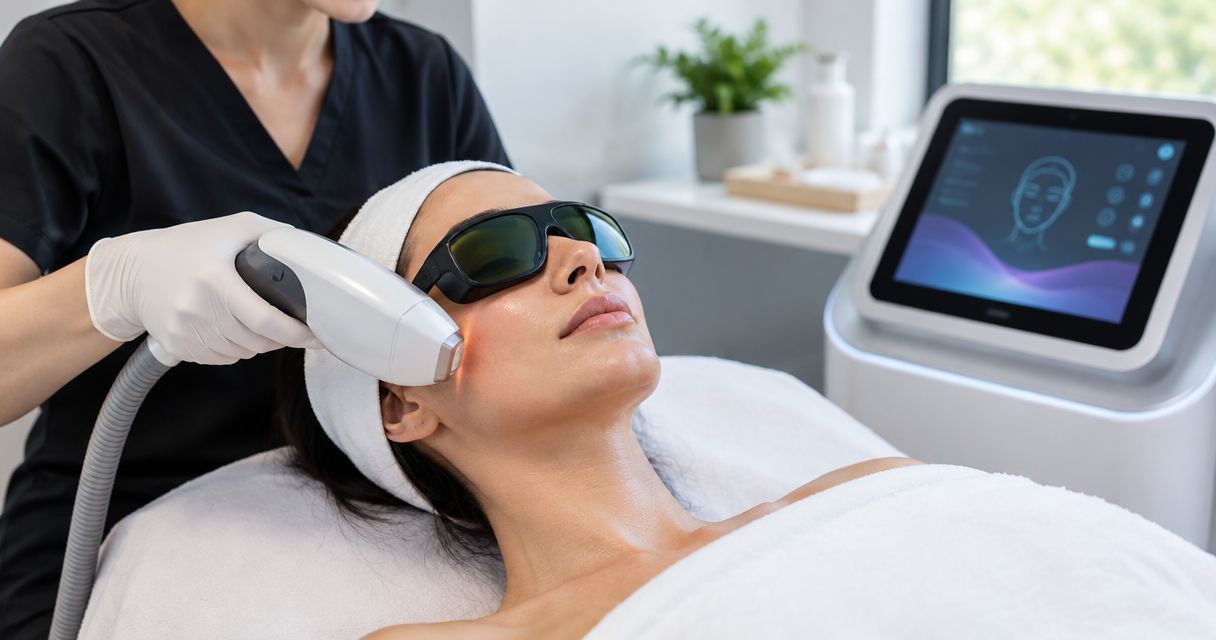
Laser treatment belongs in a selective melasma discussion, not at the start of every routine. Device choice and treatment settings matter, and results from treating isolated sun spots do not establish suitability for melasma.
A laser is not automatically better because it targets pigment. Melasma can recur, and device treatment can cause pigment changes, including darkening or lightening.
Selected laser treatment pros:
- Adds an option when appropriate initial treatment is insufficient.
- Allows a clinician to target pigment with a device-based approach.
- Can form part of a broader treatment and maintenance plan.
Selected laser treatment cons:
- Carries risks of post-inflammatory pigmentation and uneven lightening.
- Requires experience with melasma and your skin tone.
- Does not remove the need for ongoing protection.
Best for: Persistent, confirmed melasma assessed by a clinician experienced in treating the condition.
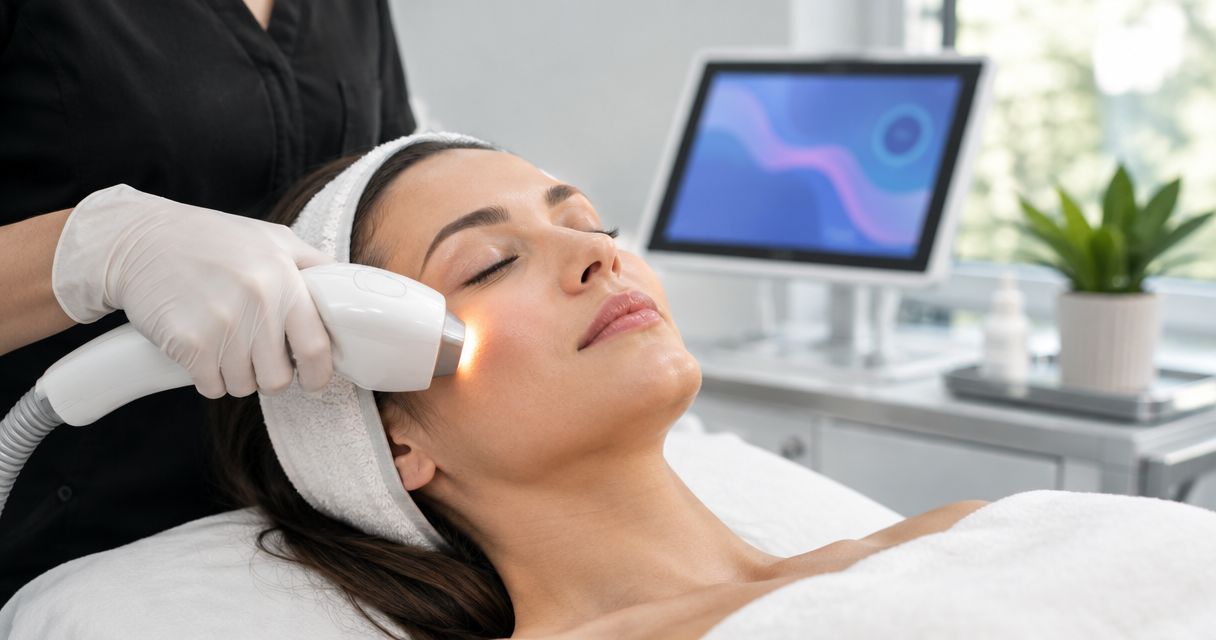
Ammonite Laser Spa offers laser skin rejuvenation and pigmentation treatments. That service description does not establish which device or protocol is suitable for your melasma.
Verdict: Hold until diagnosis, prior treatment, device selection, and recurrence risks have been reviewed.
How this ranking works
This 2026 ranking prioritizes established topical care and daily protection before procedures. It uses American Academy of Dermatology patient guidance for melasma care and FDA prescribing information for triple-combination cream; it does not claim a head-to-head trial of local providers.
The criteria favor diagnostic fit, irritation control, and maintenance. Procedures rank lower because suitability depends on the individual, and treatment-induced inflammation can undermine the goal.
Which melasma treatment should you choose?
Choose daily tinted sunscreen plus a clinician-selected topical treatment as your default starting point. If that plan is unsuitable or insufficient, discuss alternatives and adjunctive procedures rather than escalating on your own.
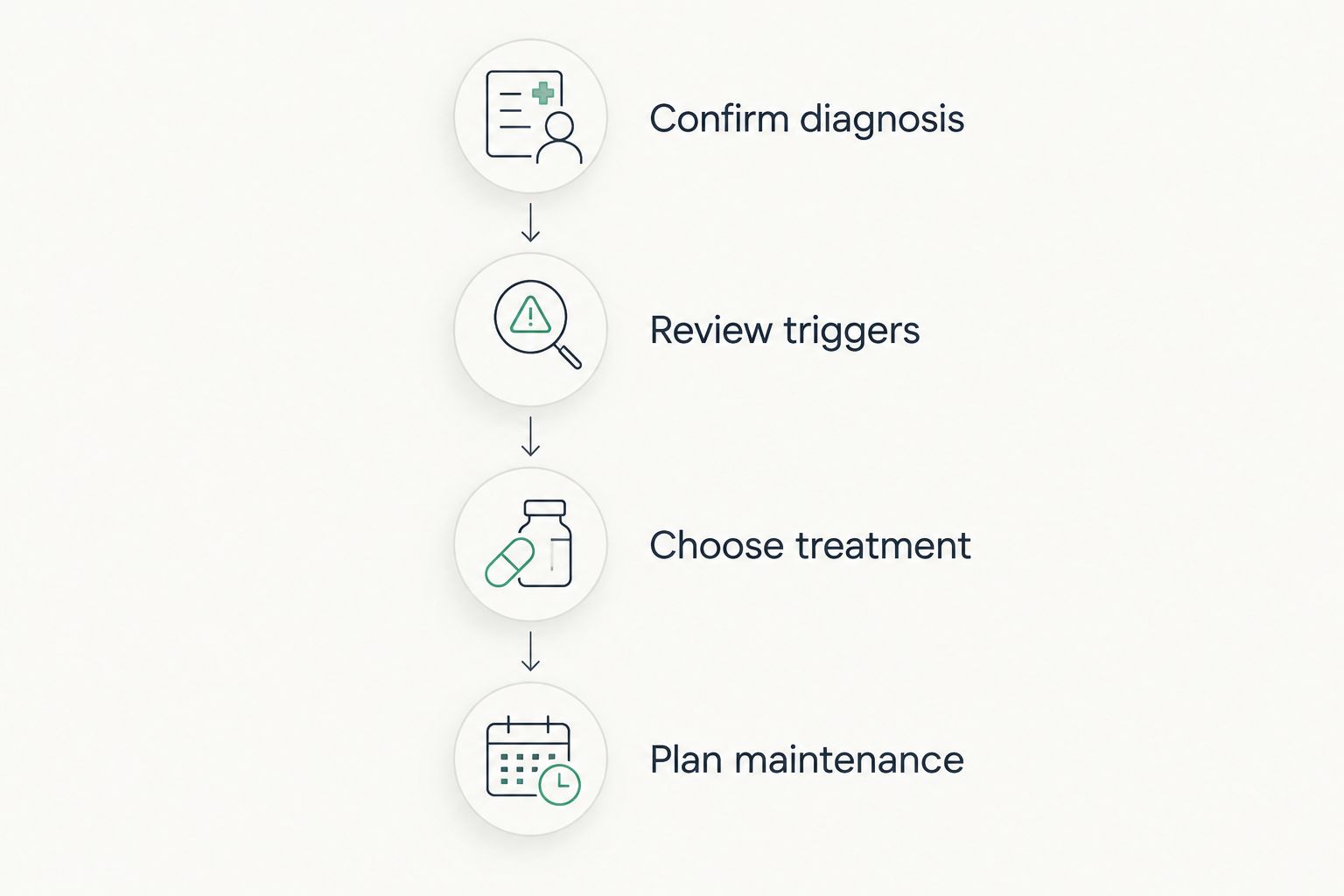
Before booking a pigmentation procedure in 2026, work through this sequence:
- Confirm diagnosis: Ask whether the patches are melasma, another pigmentation condition, or a combination.
- Review triggers: Discuss sun exposure, hormonal influences, medications, and prior irritation.
- Choose treatment: Establish the topical plan and whether a procedure has a specific role.
- Plan maintenance: Agree on protection, follow-up, and what to do if patches return.
Bring your current skincare products and a description of previous reactions to the appointment. Ask what you should stop, what signs require contact, and how the clinician will distinguish irritation from expected treatment effects.
Ammonite Laser Spa is best suited to local clients seeking a pigmentation-treatment discussion, not a presumed melasma cure. Confirm the assessment process and who provides any medical evaluation before committing to a treatment course.
FAQ
What's the best pigmentation treatment for melasma?
The best starting approach combines daily tinted sunscreen with a clinician-selected topical treatment. Prescription triple-combination cream has an established role for suitable facial melasma; procedures are selected additions rather than universal first choices.
Is laser treatment better than cream for melasma?
Laser treatment is not automatically better than topical treatment for melasma. Lasers require careful patient and device selection because recurrence and unwanted pigment changes remain concerns.
Can sunscreen alone remove melasma?
Sunscreen alone is not a reliable treatment for removing established melasma. It remains essential because ultraviolet exposure and visible light can contribute to pigmentation and recurrence.
What sunscreen should I use for melasma?
Choose a broad-spectrum, water-resistant sunscreen with SPF 30 or higher, and consider a tinted formulation containing iron oxides. Follow its application instructions and combine it with shade and protective clothing.
Is microneedling good for melasma?
Microneedling is a selected adjunct for melasma, not a default first treatment. Ask a qualified clinician how the proposed protocol addresses your diagnosis and manages irritation and pigmentation risk.
Can melasma come back after treatment?
Melasma can return after improvement because treatment does not eliminate every contributing factor. Daily protection and an agreed maintenance plan remain important after active treatment ends.
Can I treat melasma while pregnant?
Melasma treatment during pregnancy requires review with your prenatal or dermatology clinician. Do not start hydroquinone, retinoids, or elective pigmentation procedures without pregnancy-specific advice.
Should I book a pigmentation facial before seeing a dermatologist?
Get unexplained or changing pigmentation assessed before choosing a cosmetic treatment. A dermatologist can distinguish melasma from other conditions and recommend whether topical care or a procedure fits.
One last thing
Brown patches do not all need the same treatment. Melasma, acne marks, and sun spots can look similar to you while requiring different decisions. If discoloration is new, changing, raised, bleeding, or otherwise unusual, seek medical assessment rather than treating it as routine melasma.
For your 2026 decision, ask one question before approving a procedure: What makes this treatment appropriate for my diagnosis and skin tone? The answer should identify the goal, the risks, and the maintenance plan—not just promise brighter skin.