Best first step for freshly irritated skin: cool compresses. Best for dryness: fragrance-free moisturizer. Best for painful or worsening bumps: clinical assessment. This 2026 guide ranks the best treatments for ingrown hairs after laser hair removal by symptom and timing—not every bump needs an exfoliant.
- The best treatments for ingrown hairs after laser hair removal start with identifying irritation, trapped hair, or possible infection.
- Cool compresses suit freshly irritated skin; exfoliating acids belong only on recovered skin with your provider’s approval.
- Worsening pain, spreading redness, pus, or blisters need clinical assessment rather than stronger home treatment.
- Ammonite Laser Spa offers personalized laser hair removal in Downtown Brooklyn; discuss recurrent bumps before your next session.
Why this matters
A raised bump after laser treatment is not automatically an ingrown hair. Temporary swelling around follicles, shedding hairs, irritation, and folliculitis can look similar but require different care.
Treating every bump with scrubs or acids risks making recently treated skin more inflamed. Identify the problem before adding a treatment.
Ammonite Laser Spa offers personalized laser hair removal in Downtown Brooklyn. Tell your treatment provider when the bumps appeared, whether they hurt or itch, and which products you have applied.
What makes the best treatment for post-laser bumps?
Use these criteria to choose care in 2026:
- Timing: Freshly treated skin needs a different approach from fully recovered skin with recurrent ingrowns.
- Symptoms: Mild tenderness differs from increasing pain, drainage, blistering, or spreading redness.
- Barrier protection: Treatment should not add friction, fragrance, or unnecessary irritation.
- Cause: An ingrown hair, routine post-treatment swelling, and infection are not interchangeable diagnoses.
- Prevention: Repeated shaving irritation and recurrent ingrowns need a longer-term plan, not repeated picking.
These criteria favor gentle care first. Stronger products are not automatically better treatments.
Best treatments at a glance
| Rank and treatment | Best for | Standout benefit | Key limitation |
|---|---|---|---|
| 1. Cool compress | Fresh post-laser irritation | Cools skin without an active ingredient | Does not release a trapped hair or treat infection |
| 2. Fragrance-free moisturizer | Dryness and tightness | Supports the skin barrier | Does not remove an ingrown hair |
| 3. Warm compress | An isolated suspected ingrown after skin recovers | Gentle local care without squeezing | Heat is unsuitable for freshly hot or irritated skin |
| 4. Salicylic acid | Recurrent ingrowns on recovered skin | Exfoliates surface buildup | Can irritate recently treated skin |
| 5. Clinical assessment | Painful, persistent, or worsening bumps | Establishes the cause and treatment | Requires assessment rather than self-selection |
| 6. Laser hair removal plan review | Recurrent hair-related bumps | Addresses the longer-term hair-growth cycle | Does not treat an acute infection or burn |
1. Cool compress: best for fresh post-laser irritation
A clean, cool compress is the first choice when recently treated skin feels warm or mildly irritated. It provides comfort without adding an exfoliating ingredient. It does not confirm that the bump is an ingrown hair.
Use a soft cloth dampened with cool water for about 10 minutes at a time, unless your provider gave different instructions. Do not apply ice directly to your skin or rub the area.
Cool compress pros:
- Avoids fragrance and exfoliating ingredients.
- Does not require rubbing or squeezing.
- Provides a simple comfort measure while you monitor symptoms.
Cool compress cons:
- Does not release a trapped hair.
- Does not treat bacterial infection, blistering, or a burn.
Best for: Mild warmth and irritation immediately after treatment, within your provider’s aftercare instructions.
Verdict: Buy a soft compress if needed; skip direct ice and rubbing. Escalating pain needs assessment, not progressively colder applications.
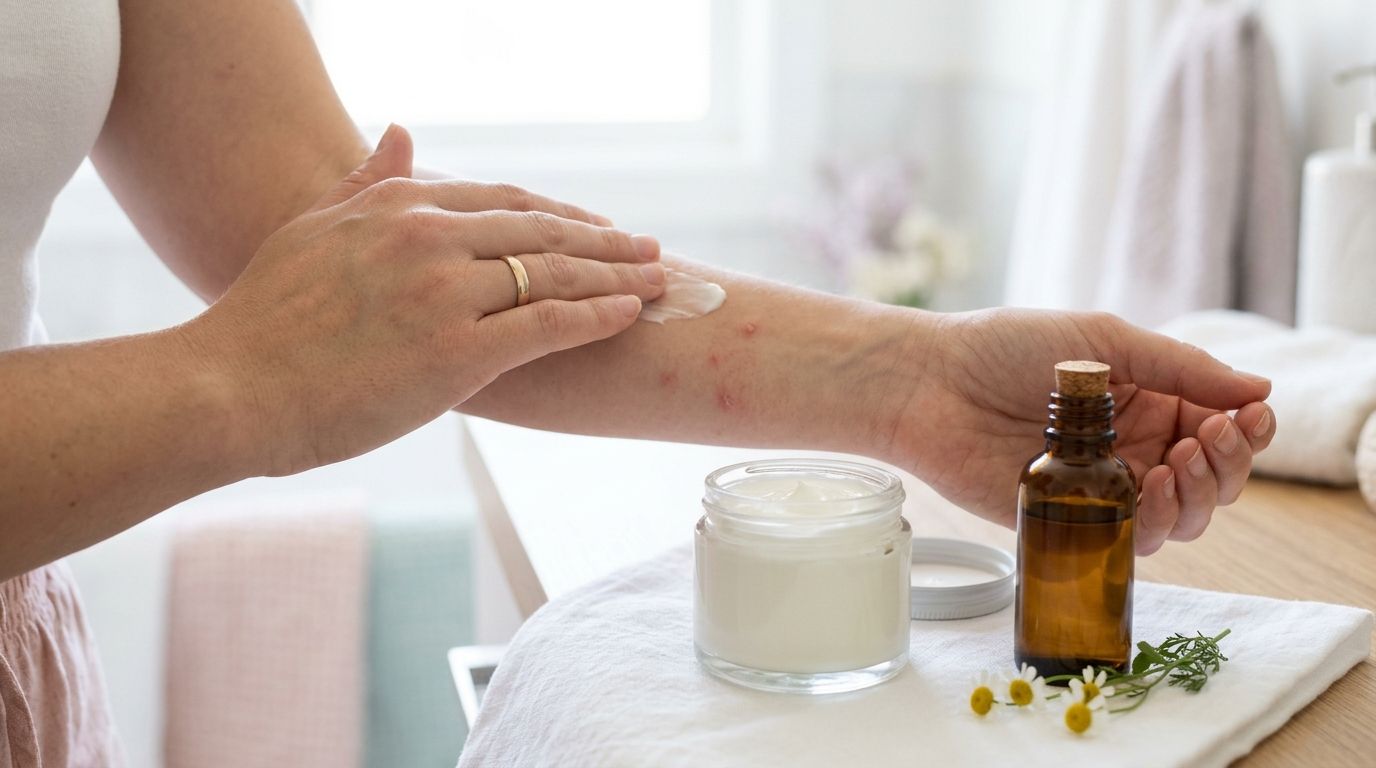
2. Fragrance-free moisturizer: best for dry, tight skin
A simple fragrance-free moisturizer helps support the skin barrier when the treated area feels dry or tight. Choose a product your provider permits after laser treatment. Do not assume a product is gentle because its packaging calls it natural.
Keep the routine simple. Layering acids, fragranced oils, and multiple new products makes irritation harder to trace.
Fragrance-free moisturizer pros:
- Helps reduce dryness and tightness.
- Supports barrier care without exfoliating.
- Fits a simple aftercare routine.
Fragrance-free moisturizer cons:
- Does not remove an embedded hair.
- Individual formulas can still sting or cause a reaction.
Best for: Dryness without broken skin, drainage, or worsening inflammation.
Verdict: Buy a provider-approved fragrance-free moisturizer; stop any formula that stings or worsens redness. Do not apply ordinary cosmetic products over blistered or open skin without clinical advice.
3. Warm compress: best for an isolated ingrown on recovered skin
A warm compress is a different tool from a cool compress. Reserve warmth for an isolated suspected ingrown after the immediate post-laser heat and sensitivity have resolved, and follow your provider’s instructions.
Apply a clean, comfortably warm cloth for 10–15 minutes. Do not follow it with a needle, tweezers, or squeezing; breaking the skin adds injury and infection risk.
Warm compress pros:
- Provides gentle local care without scrubbing.
- Does not require an exfoliating product.
- Avoids the trauma of digging at a hair.
Warm compress cons:
- Added heat can worsen fresh post-laser discomfort.
- A persistent or deep bump still needs assessment.
Best for: A small, localized suspected ingrown on otherwise recovered skin.
Verdict: Wait until the treated skin has recovered before using warmth. Skip home treatment when the area becomes increasingly painful, swollen, or draining.
4. Salicylic acid: best for recurrent ingrowns after recovery
Salicylic acid exfoliates surface skin and can help manage ingrown-hair tendencies. It is not the first treatment for freshly lasered skin. Ask your provider when—or whether—to restart it on the treated area.
Do not combine a new acid with scrubbing or several other active products. A product that was comfortable before your appointment can sting on recently treated skin.
Salicylic acid pros:
- Addresses surface buildup associated with trapped hairs.
- Offers an alternative to abrasive scrubbing.
- Can form part of a prevention routine after recovery.
Salicylic acid cons:
- Can cause dryness, stinging, and irritation.
- Is unsuitable for broken, blistered, or actively inflamed skin.
- Does not treat every cause of a follicular bump.
Best for: Recurrent ingrowns on intact, recovered skin when a provider approves exfoliation.
Verdict: Wait for clearance before adding salicylic acid. More frequent application is not a substitute for identifying the cause of recurring bumps.
5. Clinical assessment: best for painful or worsening bumps
Clinical assessment is the right choice when symptoms suggest more than mild aftercare irritation. A qualified clinician can distinguish an ingrown hair from folliculitis, an abscess, contact dermatitis, or a laser-related injury.
Seek prompt medical advice for spreading redness, increasing warmth, pus, worsening pain, or blisters. Fever or feeling unwell alongside skin symptoms warrants urgent medical assessment.
Clinical assessment pros:
- Establishes the likely cause before treatment.
- Allows prescription treatment when indicated.
- Avoids repeatedly treating an infection as a cosmetic bump.
Clinical assessment cons:
- Requires an appointment or urgent evaluation.
- Treatment depends on the diagnosis rather than a universal product.
Best for: Persistent, recurrent, painful, draining, or worsening lesions.
Verdict: Skip further self-treatment when warning signs appear. Do not start leftover antibiotics or steroid creams without advice; the wrong treatment can obscure the problem.
6. Laser plan review: best for recurrent hair-related bumps
Laser hair removal reduces hair growth and can help reduce recurrent ingrown hairs over time. It is a prevention strategy, not a treatment for an acute infected bump or a fresh skin injury.
Ammonite Laser Spa offers personalized laser hair removal for local clients. Before another session, report recurring bumps and discuss treatment timing, shaving technique, and whether the skin needs clinical assessment first.
Laser plan review pros:
- Addresses hair growth rather than repeatedly extracting individual hairs.
- Creates an opportunity to review shaving-related irritation.
- Keeps recurrent symptoms part of the treatment discussion.
Laser plan review cons:
- Does not resolve an acute infection or burn.
- Does not eliminate the need for aftercare.
- Suitability depends on your skin, hair, and current symptoms.
Best for: Recurrent hair-related bumps between appointments after active inflammation has been assessed.
Verdict: Hold the next session if the area is injured or actively inflamed until your provider assesses it. Prevention should not override skin recovery.
Choose care by what your skin is doing
For your 2026 aftercare plan, use symptoms—not the urge to remove a visible hair—as the starting point. These categories guide the next action; they do not replace a diagnosis.
- Fresh irritation: Follow post-laser instructions and use cooling care as directed.
- Dry skin: Use an approved fragrance-free moisturizer.
- Recovered skin: Discuss targeted prevention if ingrowns keep returning.
- Warning signs: Arrange clinical assessment rather than adding active products.
Avoid picking even when a hair appears close to the surface. Breaking the skin can leave inflammation and post-inflammatory discoloration that outlast the original bump.
For exposed areas, follow your provider’s sun-protection instructions. The American Academy of Dermatology recommends broad-spectrum, water-resistant sunscreen with SPF 30 or higher; ask what is appropriate if your skin is broken or reacting.
How these treatments were ranked
This 2026 ranking prioritizes low-irritation care for fresh symptoms, targeted care after recovery, and medical assessment for warning signs. It compares treatment roles—not brands, product popularity, or promised speed.
Cooling ranks first for immediate comfort. Clinical assessment takes priority over every home option when symptoms worsen.
Which treatment should you choose?
Start with gentle care, not an acid. For mild post-laser irritation, follow your provider’s instructions, cool the area, and avoid friction. For recurrent ingrowns after recovery, discuss prevention rather than repeatedly treating individual bumps.
Ammonite Laser Spa is best suited to Downtown Brooklyn clients seeking personalized laser hair removal. A medical clinician is the appropriate next step for suspected infection, burns, or unexplained persistent lesions.
Discuss your laser treatment plan
Review personalized laser hair removal options in Downtown Brooklyn.
FAQ
What are the best treatments for ingrown hairs after laser hair removal?
The best treatment depends on whether the bump is fresh irritation, a true ingrown hair, or another condition. Start with provider-directed gentle care; reserve exfoliation for recovered skin and seek assessment for worsening symptoms.
Can I exfoliate immediately after laser hair removal?
Do not exfoliate freshly treated or irritated skin. Ask your laser provider when to restart acids, scrubs, or exfoliating tools, because recovery and treatment instructions differ.
Should I use a warm or cold compress after laser?
Use a cool compress for fresh post-laser warmth or irritation, following your provider’s instructions. Warm compresses are a separate option for isolated suspected ingrowns after the skin has recovered.
Can I squeeze an ingrown hair after laser treatment?
Do not squeeze, pick, or dig out a suspected ingrown hair after laser treatment. Breaking the skin adds injury, infection risk, and the possibility of lingering discoloration.
Are bumps after laser always ingrown hairs?
No, bumps after laser are not always ingrown hairs. Follicular swelling, shedding hairs, irritation, and folliculitis can look similar, so persistent or worsening bumps need assessment.
When should I see a doctor for bumps after laser?
Seek prompt medical advice for increasing pain, spreading redness, pus, blisters, or worsening swelling. Fever or feeling unwell with skin symptoms warrants urgent medical assessment.
Can Ammonite Laser Spa help with recurrent ingrown-hair concerns?
Ammonite Laser Spa offers personalized laser hair removal in Downtown Brooklyn. Discuss recurrent bumps before another session; suspected infection or skin injury requires appropriate clinical assessment.
What should my post-laser routine include in 2026?
Your 2026 routine should follow your provider’s written aftercare instructions rather than a fixed online schedule. Keep care gentle, avoid picking, and obtain guidance before restarting exfoliating products.
One last thing
A visible hair after laser treatment does not automatically mean you need to remove it. Treated hairs can shed, and digging at them turns observation into an injury. For your 2026 treatment plan, photograph a recurring bump and record when it appeared before adding another product.