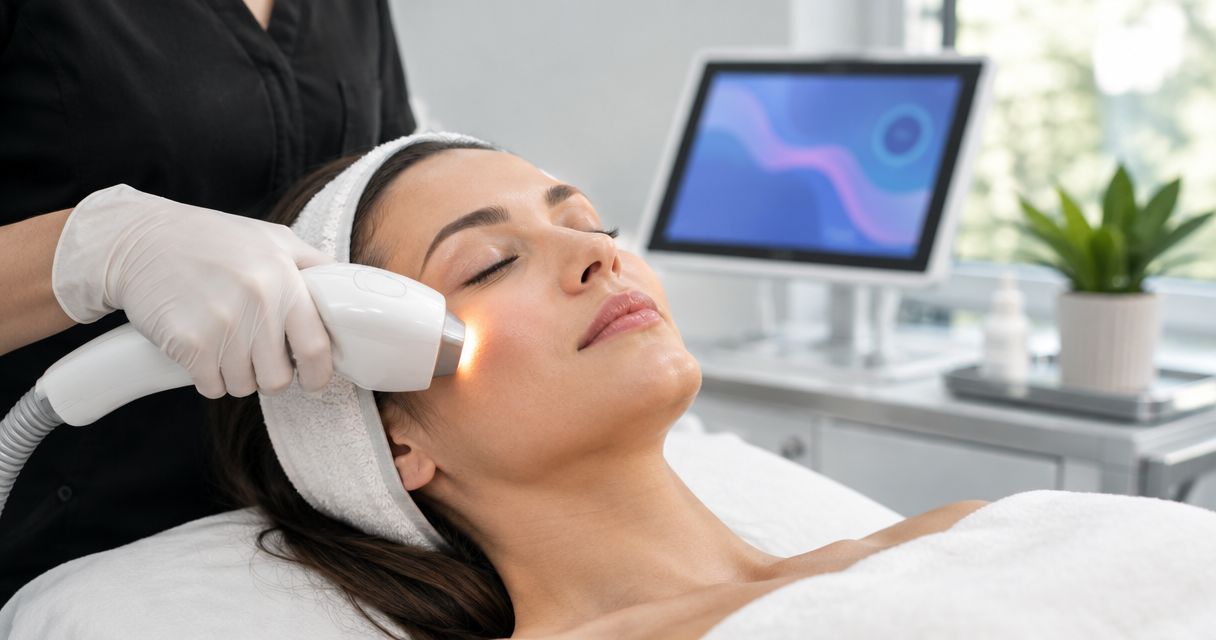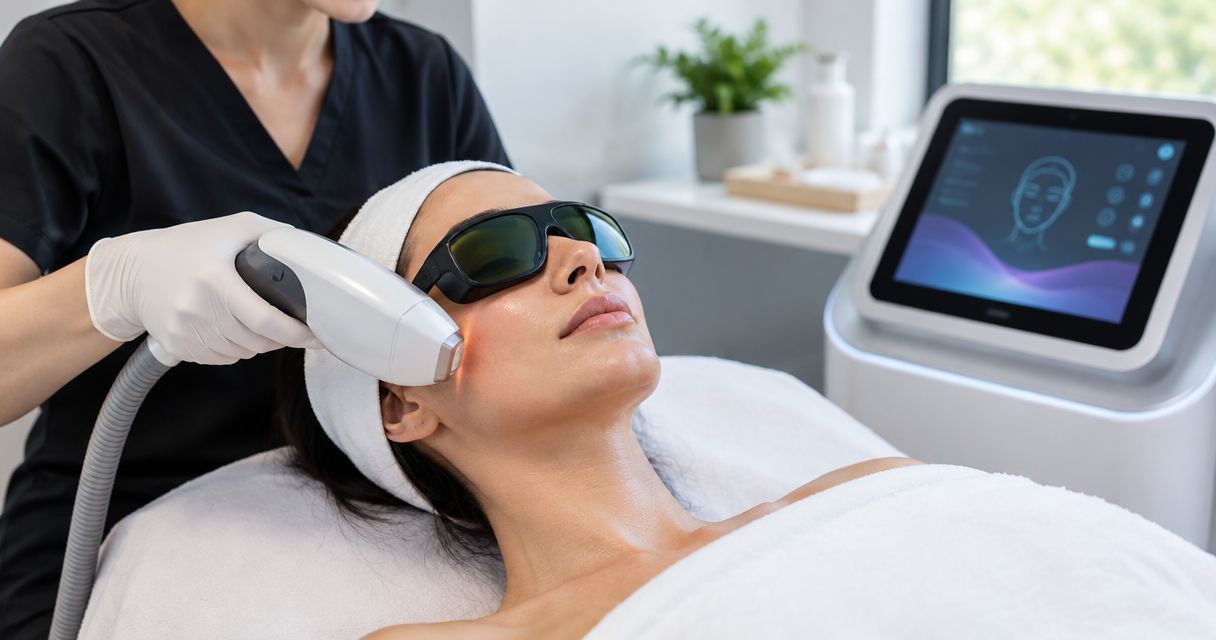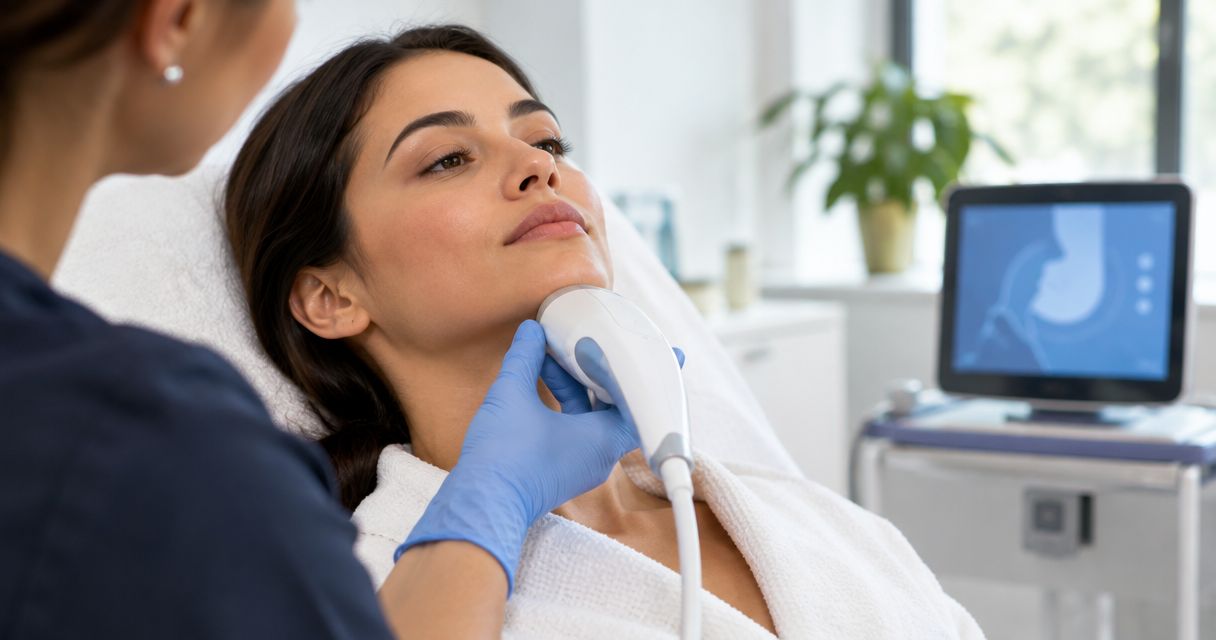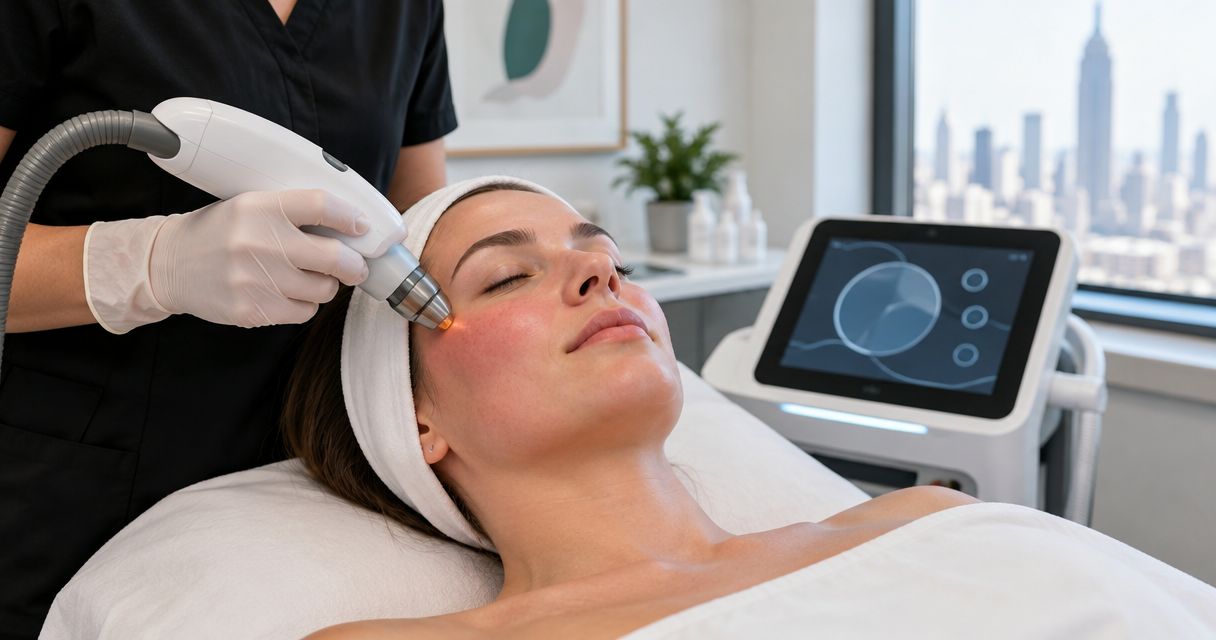
Best first step: a dermatologist’s rosacea assessment. Best Laser Genesis fit: a clinician-selected plan for persistent redness. Best alternative to discuss for visible vessels: pulsed dye laser. This 2026 NYC guide compares the best laser genesis treatments for rosacea by symptom, treatment purpose, and safety—not by unsupported clinic rankings.
- The best laser genesis treatments for rosacea start with diagnosis and a symptom-specific treatment plan.
- Laser Genesis is not interchangeable with pulsed dye laser or intense pulsed light.
- Ammonite Laser Spa offers personalized laser skin rejuvenation in Downtown Brooklyn; confirm the proposed device before treatment.
- Prescription treatment addresses inflammatory rosacea bumps; laser treatment does not replace every part of rosacea care.
Why this matters
Rosacea can cause persistent redness, flushing, visible blood vessels, inflammatory bumps, and eye symptoms. Those problems do not all respond to the same treatment. Choosing a procedure before identifying the main symptom puts the device ahead of the diagnosis.
Ammonite Laser Spa offers personalized laser skin rejuvenation in Downtown Brooklyn. Ammonite Laser Spa is a local option for clients seeking personalized laser skin rejuvenation—not a substitute for medical diagnosis of unexplained facial redness.
The American Academy of Dermatology distinguishes treatment for redness and visible vessels from treatment for acne-like breakouts. That distinction should drive your 2026 shortlist: compare what a treatment targets before comparing how convenient an appointment sounds.
What makes the best rosacea treatment plan?
A useful comparison starts with these criteria:
- Confirmed diagnosis: Facial redness also occurs with conditions other than rosacea. Get the cause assessed before selecting a cosmetic procedure.
- Symptom match: Separate background redness, individual vessels, inflammatory bumps, and texture concerns. Ask which finding the proposed treatment addresses.
- Device specificity: Request the device name and treatment mode. A general laser rejuvenation appointment does not establish that you will receive Laser Genesis.
- Skin-specific safety: Discuss skin tone, pigment changes, recent tanning, medications, and previous reactions. Treatment settings and clinician experience matter.
- Realistic endpoints: Agree on the symptom you want to improve. Rosacea management is different from promising permanently clear skin.
- Follow-up and aftercare: Understand expected reactions, sun protection, and whom to contact if symptoms worsen.
For a 2026 consultation, bring your current skincare products and medication list. Include photographs of intermittent flushing if your face looks different on appointment day; they give the clinician something more useful than a description of your worst flare.
Rosacea treatments at a glance
These are treatment approaches, not interchangeable packages. The table separates their strongest discussion points without assigning every person with rosacea the same default.
| Treatment approach | Best for | Standout feature | Key limitation |
|---|---|---|---|
| Laser Genesis | Discussing nonablative treatment for selected background-redness and texture concerns | Uses a nonablative Nd:YAG approach | Not automatically the best match for distinct visible vessels |
| Pulsed dye laser | Discussing treatment of visible facial vessels | Targets blood-vessel-related redness | Bruising and pigment changes are possible |
| Intense pulsed light | Assessing broader areas with redness and overlapping sun-related discoloration | Uses filtered light rather than one laser wavelength | Skin tone, tanning, and pigment diagnosis affect suitability |
| Prescription treatment | Managing inflammatory rosacea bumps | Treats inflammatory disease rather than relying on a cosmetic procedure | Does not physically remove established visible vessels |
1. Laser Genesis: best for a selected redness-and-texture discussion
Laser Genesis is a nonablative treatment associated with a 1,064 nm Nd:YAG laser. Nonablative means the treatment does not intentionally remove the skin surface; it does not mean the procedure has no risks.
For rosacea, the useful question is whether this treatment matches your particular redness pattern. General rejuvenation benefits and treatment of a diagnosed vascular condition are different goals. Ask the clinician to explain both the intended benefit and the reason for choosing this approach over a vascular-focused alternative.
Laser Genesis pros:
- Offers a nonablative approach rather than surface-removing resurfacing.
- Allows discussion of texture concerns alongside background redness.
- Provides a specific treatment name to compare against a vague rejuvenation description.
Laser Genesis cons:
- The treatment name alone does not establish suitability for your rosacea.
- Distinct vessels warrant a comparison with vascular-focused devices.
- Burns, pigment changes, and irritation remain possible with laser treatment.
Best for: Someone with diagnosed rosacea who wants a clinician to assess background redness alongside texture concerns.
Ask what improvement the provider expects specifically in redness—not simply in overall skin appearance. Also ask how progress will be evaluated if flushing varies with weather, exercise, or skincare.
Verdict: Hold until the clinician explains why Laser Genesis fits your symptom pattern.
2. Pulsed dye laser: best for a visible-vessel consultation
Pulsed dye laser is a vascular laser used for redness and visible blood vessels. A commonly used wavelength is 595 nm, which differs from the Nd:YAG wavelength associated with Laser Genesis.
This makes pulsed dye laser an important comparison when your main complaint is visible facial vessels. It does not make it the automatic answer for every red face, particularly when inflammation, irritation, or another diagnosis is contributing.
Pulsed dye laser pros:
- Has an established role in treating vascular redness.
- Directly addresses the visible-vessel question during treatment planning.
- Gives you an alternative when a general rejuvenation recommendation lacks a clear vascular rationale.
Pulsed dye laser cons:
- Purpura, or bruise-like discoloration, can occur depending on settings.
- Pigment changes and burns are possible.
- Treating vessels does not resolve every inflammatory or flushing symptom.
Best for: Someone whose main concern is persistent vascular redness or visible facial vessels, after clinical assessment.
Ask whether the proposed settings are expected to cause bruising and what aftercare follows. Do not assume that a treatment described as gentle carries the same recovery expectations as another vascular treatment.
Verdict: Hold for a vascular assessment; prioritize this discussion when individual vessels dominate.
3. Intense pulsed light: best for assessing mixed redness and discoloration
Intense pulsed light, usually called IPL, is not a laser. It uses filtered, broad-spectrum light and can address selected vascular and pigment concerns.
IPL belongs in the comparison when redness overlaps with sun-related discoloration. However, a brown patch is not a diagnosis: melasma, post-inflammatory pigmentation, and sun-related spots require different considerations. An attractive promise to address everything together is not enough.
Intense pulsed light pros:
- Can address selected redness and pigment concerns within a treatment plan.
- Provides an alternative to a single-wavelength laser approach.
- Encourages assessment of the whole treatment area rather than isolated spots alone.
Intense pulsed light cons:
- Recent tanning and skin tone affect treatment risk and suitability.
- Incorrect selection or settings can cause burns and pigment changes.
- Mixed discoloration requires diagnosis before treatment.
Best for: Someone with overlapping redness and sun-related discoloration who has been assessed for suitability.
Ask which findings the provider intends to treat and which will be left alone. If melasma is suspected, request a specific explanation of how that changes the plan rather than treating all pigmentation as equivalent.
Verdict: Hold until both the redness and the pigment concern have been identified.
4. Prescription treatment: best for inflammatory rosacea bumps
Prescription rosacea treatment addresses problems that a laser-only plan can overlook. Depending on the diagnosis, clinicians use topical medicines or oral treatment to manage inflammatory bumps and other rosacea symptoms.
Examples include topical ivermectin, metronidazole, and azelaic acid, as well as oral doxycycline in appropriate cases. These are medical treatment options, not a self-prescribing checklist; the choice depends on your symptoms, medical history, and tolerability.
Prescription treatment pros:
- Addresses inflammatory bumps rather than treating every symptom as a vessel problem.
- Can form part of an ongoing rosacea-management plan.
- Allows the prescribing clinician to adjust treatment as symptoms change.
Prescription treatment cons:
- Irritation or other adverse effects depend on the medicine.
- Established visible vessels can remain despite control of inflammation.
- Some treatments need continued use under a clinician’s direction.
Best for: Someone whose primary concern is rosacea-related bumps, pustules, or active inflammation.
A successful plan can combine medical care with a later procedure for residual redness or vessels. The right sequence depends on the examination, not on a requirement to purchase a laser package first.
Verdict: Hold on cosmetic procedures until active inflammatory symptoms have a medical treatment plan.
How these options are ranked
This 2026 ranking follows symptom fit, device specificity, safety, and realistic endpoints. It is not a head-to-head clinical trial or a ranking of NYC providers; the order starts with the requested treatment and then separates the alternatives by their purpose.
Laser Genesis leads the discussion for readers researching that named procedure. Pulsed dye laser earns the visible-vessel slot, IPL the mixed-redness-and-discoloration slot, and prescription treatment the inflammatory-bump slot. None earns a universal best-for-everyone claim.
For the broader distinction between a cosmetic rejuvenation goal and a rosacea-specific plan, read the guide to laser skin rejuvenation treatments in NYC.
Which rosacea treatment should you choose?
Choose a diagnosis-led plan before choosing a device. If you are undecided, start with a dermatologist rather than selecting the procedure with the most appealing treatment name.
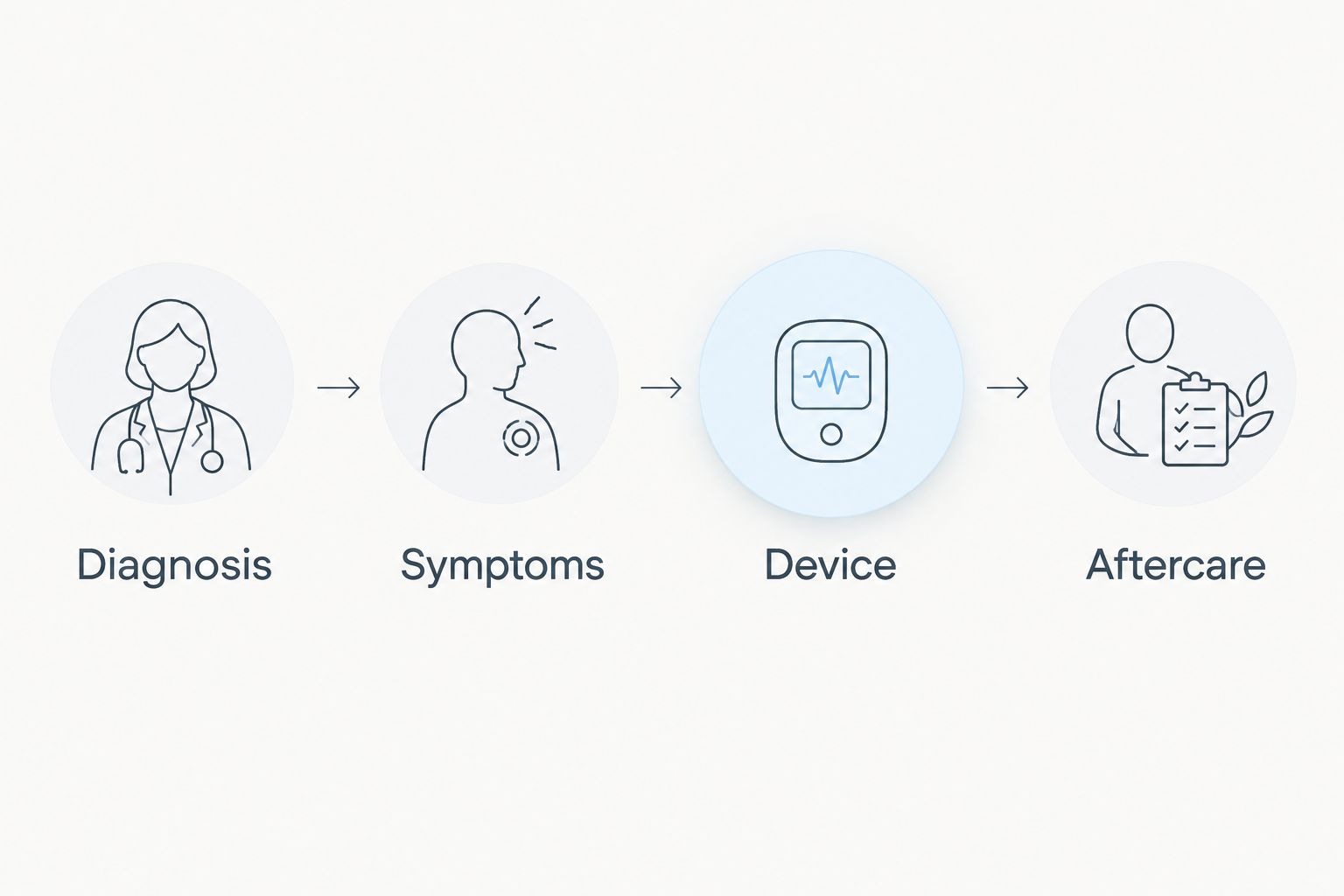
Use this sequence for your 2026 appointment:
- Diagnosis: Confirm whether the redness is rosacea and identify any overlapping condition.
- Symptoms: State the main concern: visible vessels, persistent redness, bumps, or texture.
- Device: Ask why the proposed device or medicine fits that concern better than the alternatives.
- Aftercare: Get instructions for skincare, sun protection, expected reactions, and follow-up.
Ammonite Laser Spa offers personalized laser skin rejuvenation, but that service category does not identify the device used for a proposed appointment. Before proceeding, confirm the exact treatment, who assesses suitability, and whether a medical evaluation should come first.
Discuss your skin treatment goals
Explore personalized laser skin rejuvenation in Downtown Brooklyn and ask which treatment matches your concern.
What belongs in your aftercare conversation?
Ask for written instructions tailored to the procedure you actually receive. Your usual exfoliating acids, retinoids, or fragranced products deserve review; do not assume a familiar routine is appropriate immediately after treatment.
The American Academy of Dermatology recommends broad-spectrum, water-resistant sunscreen with SPF 30 or higher for rosacea care. Ask which formulation your skin tolerates and what additional sun precautions apply after the procedure.
Eye pain, light sensitivity, or vision changes require medical assessment rather than a cosmetic treatment decision. Mention gritty, dry, or irritated eyes during your rosacea evaluation, even if your appointment began as a discussion about facial redness.
FAQ
What are the best laser genesis treatments for rosacea in NYC?
The best Laser Genesis plan is one selected after a clinician assesses your rosacea symptoms and suitability. Compare it with pulsed dye laser for visible vessels and medical treatment for inflammatory bumps rather than assuming one device treats everything.
Is Laser Genesis better than pulsed dye laser for rosacea?
Laser Genesis is not universally better than pulsed dye laser for rosacea. Pulsed dye laser has an established role in vascular redness and visible vessels; the appropriate choice depends on your findings and treatment risk.
Does Ammonite Laser Spa offer Laser Genesis for rosacea?
Ammonite Laser Spa offers personalized laser skin rejuvenation. Confirm the exact device, treatment mode, and suitability for diagnosed rosacea before arranging a procedure.
Can Laser Genesis permanently cure rosacea?
Laser Genesis does not permanently cure rosacea. Procedures can address selected signs, but rosacea is a chronic condition that can require ongoing skincare and medical management.
Is IPL the same treatment as Laser Genesis?
IPL and Laser Genesis are different treatments. IPL uses filtered broad-spectrum light, while Laser Genesis is associated with a nonablative Nd:YAG laser approach.
Should I get laser treatment while my rosacea is flaring?
Get an active flare assessed before proceeding with a cosmetic laser appointment. The clinician should distinguish inflammation, irritation, and vascular redness and decide whether treatment should be postponed.
Is Laser Genesis safe for every skin tone?
Laser Genesis should not be assumed safe for every person based on the treatment name alone. Skin tone, recent tanning, pigment history, device settings, and operator experience all affect risk.
What should I bring to a rosacea consultation in 2026?
Bring your medication list, skincare products, prior treatment details, and photographs of intermittent symptoms. Explain whether your main concern is flushing, constant redness, visible vessels, bumps, or eye irritation.
One last thing
A useful consultation question is: “Which part of my rosacea will this treatment leave untreated?” The answer separates a targeted recommendation from a general promise of better skin.
For your 2026 decision, write down that answer alongside the treatment name. A plan that clearly identifies its limits gives you a better basis for consent than a procedure described as suitable for every redness concern.