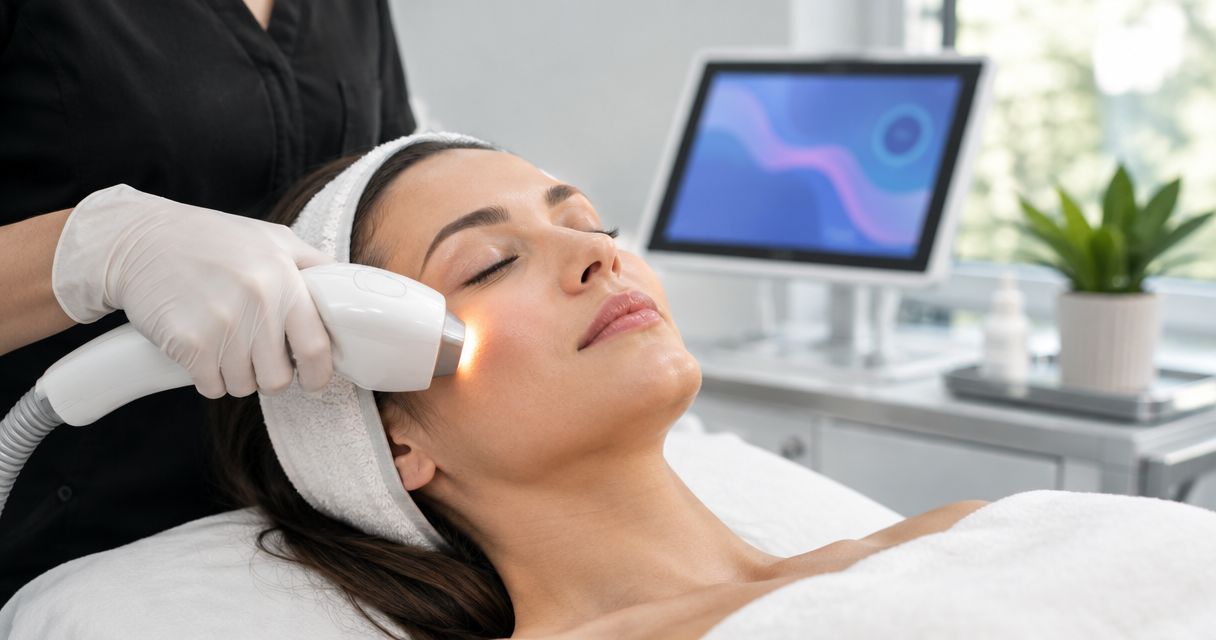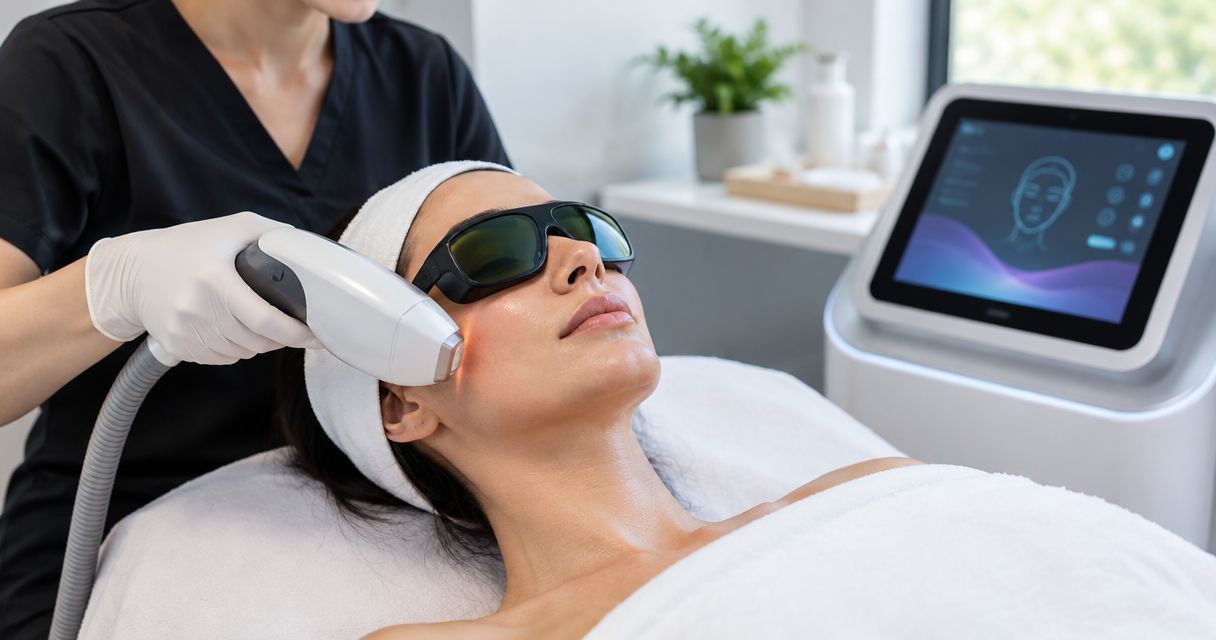
No—laser genesis for rosacea redness can reduce visible redness, but it does not permanently cure rosacea. Rosacea is a chronic condition, so flushing, inflammation, and visible vessels can return even after an improvement. In 2026, the right goal is lasting symptom control with an individualized treatment plan, not a promise that redness will never return.
- Laser genesis for rosacea redness offers improvement, not a permanent cure; recurring flushing can still need treatment.
- Match laser skin rejuvenation to persistent redness, visible vessels, and skin sensitivity—not just a treatment name.
- Ammonite Laser Spa fits Downtown Brooklyn clients seeking personalized skin rejuvenation; confirm rosacea suitability before booking.
- Combine professional assessment with gentle skin care, sun protection, and treatment for inflammation when prescribed.
Can laser genesis treat rosacea redness permanently?
Laser Genesis cannot permanently remove the underlying tendency to develop rosacea. It is a nonablative laser treatment associated with a 1,064 nm Nd:YAG wavelength. Treatment can improve certain visible features, but improvement in appearance is different from curing the condition that causes them.
Ammonite Laser Spa offers personalized laser skin rejuvenation in Downtown Brooklyn. Confirm the exact device and whether your redness needs a dermatologist’s assessment before choosing a procedure.
The American Academy of Dermatology describes rosacea as a long-term condition without a cure. Its patient guidance distinguishes treatment for persistent redness and visible vessels from treatment for acne-like breakouts. That distinction matters more than a claim of permanent results.
| What you want to change | What treatment can address | What it cannot guarantee |
|---|---|---|
| Persistent background redness | A reduction in visible redness in appropriately selected patients | Permanently eliminating rosacea |
| Individual visible vessels | Improvement with a suitable vascular treatment | Preventing every future vessel from appearing |
| Heat- or stress-related flushing | Management through an individualized rosacea plan | Stopping every future flushing episode |
| Acne-like bumps or burning | Medical treatment and skin-barrier care when appropriate | Resolution through laser treatment alone |
Why this matters
A treatment can work without being permanent. If your cheeks look calmer but still flush during exercise, that does not automatically mean the procedure failed; baseline redness and episodic flushing are different outcomes.
For a 2026 treatment decision, define success before agreeing to a course. Ask whether the goal is less redness between flares, fewer visible vessels, improved comfort, or some combination. A plan becomes easier to evaluate when the target is specific.
The practical risk is treating every red face as the same problem. Rosacea, irritation, allergic reactions, and other skin conditions can overlap in appearance. Get the diagnosis right before selecting the device.
Laser Genesis: best for discussing diffuse redness
Laser Genesis is a named treatment approach, not a synonym for every facial laser. Its nonablative approach does not intentionally remove the skin’s surface, but that does not make it risk-free or suitable for every person with rosacea.
The potential advantage is improvement in diffuse redness without an ablative resurfacing procedure. The limitation is that evidence for laser and light treatment in rosacea varies by device, treatment protocol, and symptom being measured. Results from another laser cannot automatically be assigned to Laser Genesis.
Ask what finding makes this particular treatment appropriate for your face. A useful answer connects the treatment to your persistent redness, skin tone, sensitivity, and medical history—not simply to the fact that your skin looks red.
Visible vessels: best for a vascular-treatment assessment
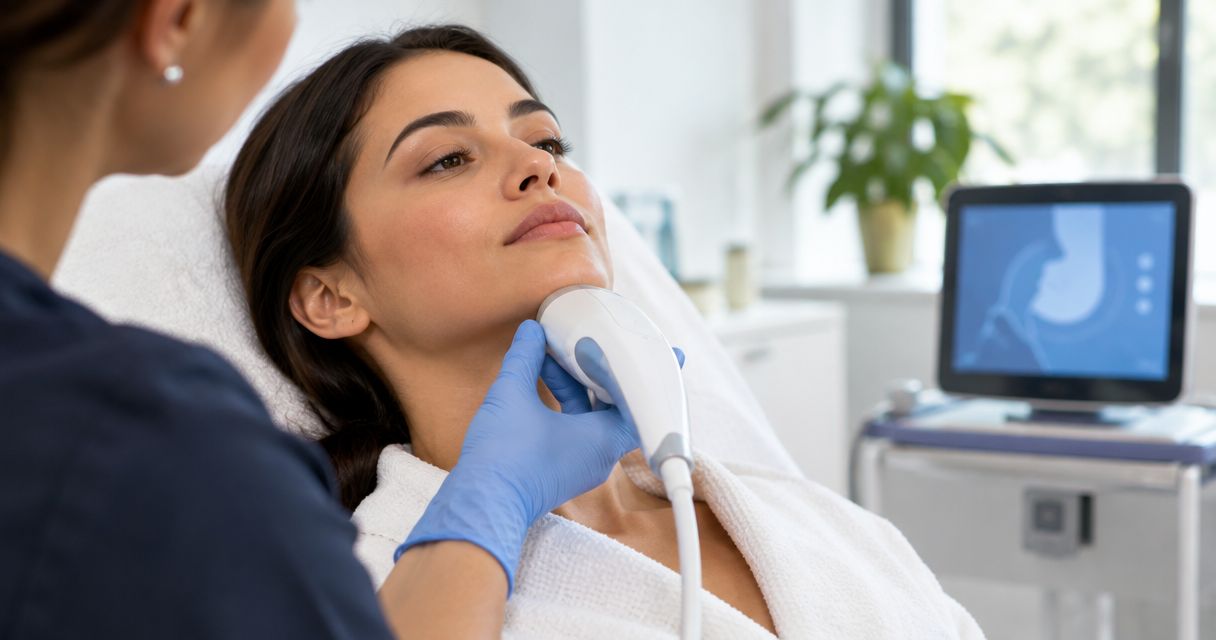
Clearly outlined vessels around the nose or cheeks deserve a different discussion from general facial pinkness. A clinician can assess whether a vascular laser or light-based treatment is better matched to those vessels.
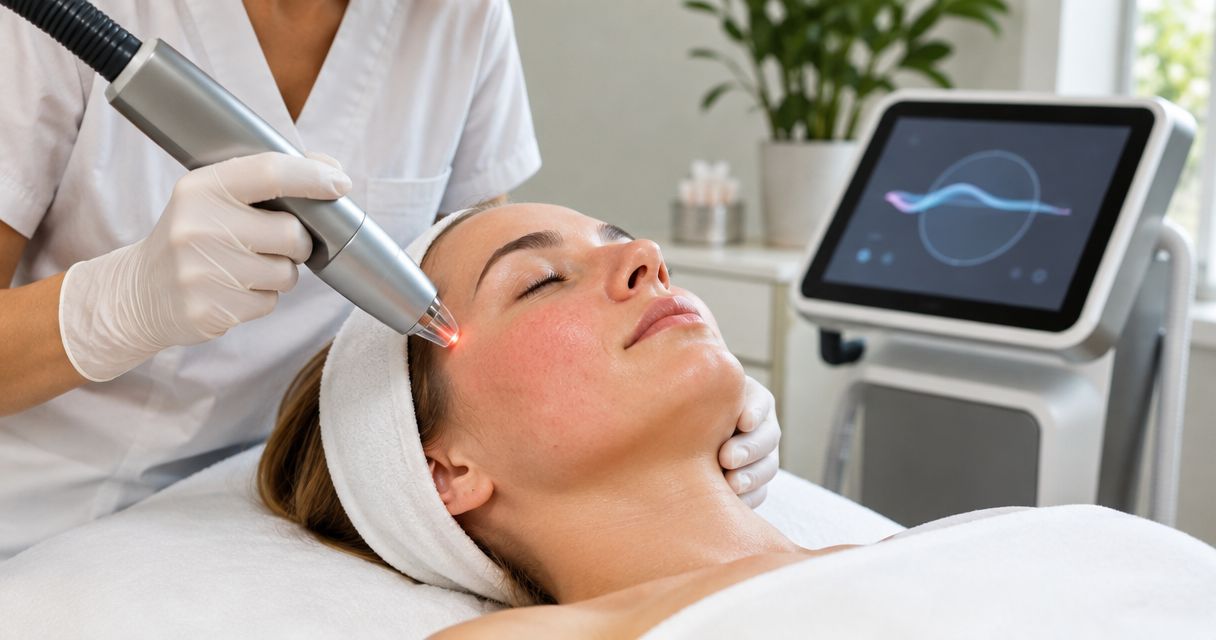
Pulsed dye lasers commonly use a 595 nm wavelength and are established options for vascular redness. Intense pulsed light, or IPL, is not a laser; it delivers a filtered range of light wavelengths. Both require careful selection and settings.
Neither approach cures rosacea. Treating visible vessels addresses something you can see now, not every process that can produce future redness.
Active inflammation: best for medical assessment first
Burning, stinging, acne-like bumps, or a sudden worsening of redness changes the decision. Those symptoms need assessment rather than an automatic booking for an energy-based procedure.
A dermatologist can determine whether prescription treatment, changes to skin care, or another diagnosis needs attention first. Laser treatment does not replace that work. The National Rosacea Society’s patient guidance likewise separates persistent redness, visible vessels, inflammatory lesions, and eye symptoms when discussing management.
For your 2026 plan, ask whether the skin is ready for a procedure—not just whether the procedure is marketed for redness.
How does Laser Genesis compare with other rosacea options?
Choose by the symptom being treated, not by which treatment sounds newest. Laser Genesis, vascular lasers, IPL, and medication do different jobs, and some people need more than one approach.
| Option | Best for | Main advantage | Main limitation |
|---|---|---|---|
| Laser Genesis | Selected patients discussing diffuse redness | Nonablative treatment that can improve visible redness | Does not cure rosacea or guarantee control of flushing |
| Pulsed dye laser | Assessment of persistent vascular redness and visible vessels | Targets blood vessels associated with redness | Bruising, swelling, pigment changes, and other adverse effects are possible |
| IPL | Selected patients with broader areas of redness or visible vessels | Treats an area using filtered light | Suitability depends on skin tone, tanning, device, and settings |
| Prescription rosacea treatment | Symptoms matched to a medical diagnosis | Can address inflammation or persistent redness, depending on the medicine | Requires the right prescription and ongoing review |
| Gentle skin care and sun protection | Daily support for rosacea-prone skin | Reduces avoidable irritation and supports the skin barrier | Does not remove established visible vessels |
A combination plan is not permission to stack procedures. Ask who coordinates treatment, which symptoms each part addresses, and what should happen if your skin becomes more irritated.
Why results from laser treatment vary
The same treatment name does not produce the same result on every face. These factors change both suitability and the outcome you should expect:
- Redness pattern: Constant background redness, isolated vessels, and episodic flushing are different treatment targets.
- Inflammatory activity: Bumps, tenderness, burning, and stinging can require medical management alongside or before a procedure.
- Skin tone: Pigment affects how light interacts with skin and influences device selection and safety precautions.
- Recent tanning: Sun exposure and tanning change the safety discussion for laser and light treatments.
- Device and technique: Wavelength, settings, cooling, and practitioner experience matter; the treatment name alone is insufficient.
- Daily triggers: Sunlight, heat, and irritating products can continue provoking symptoms after visible redness improves.
Do not accept a fixed outcome based only on a photograph or a brief description of your skin. A useful assessment includes your symptoms, previous reactions, current products, medication history, and treatment goals.
How should you assess a treatment plan?
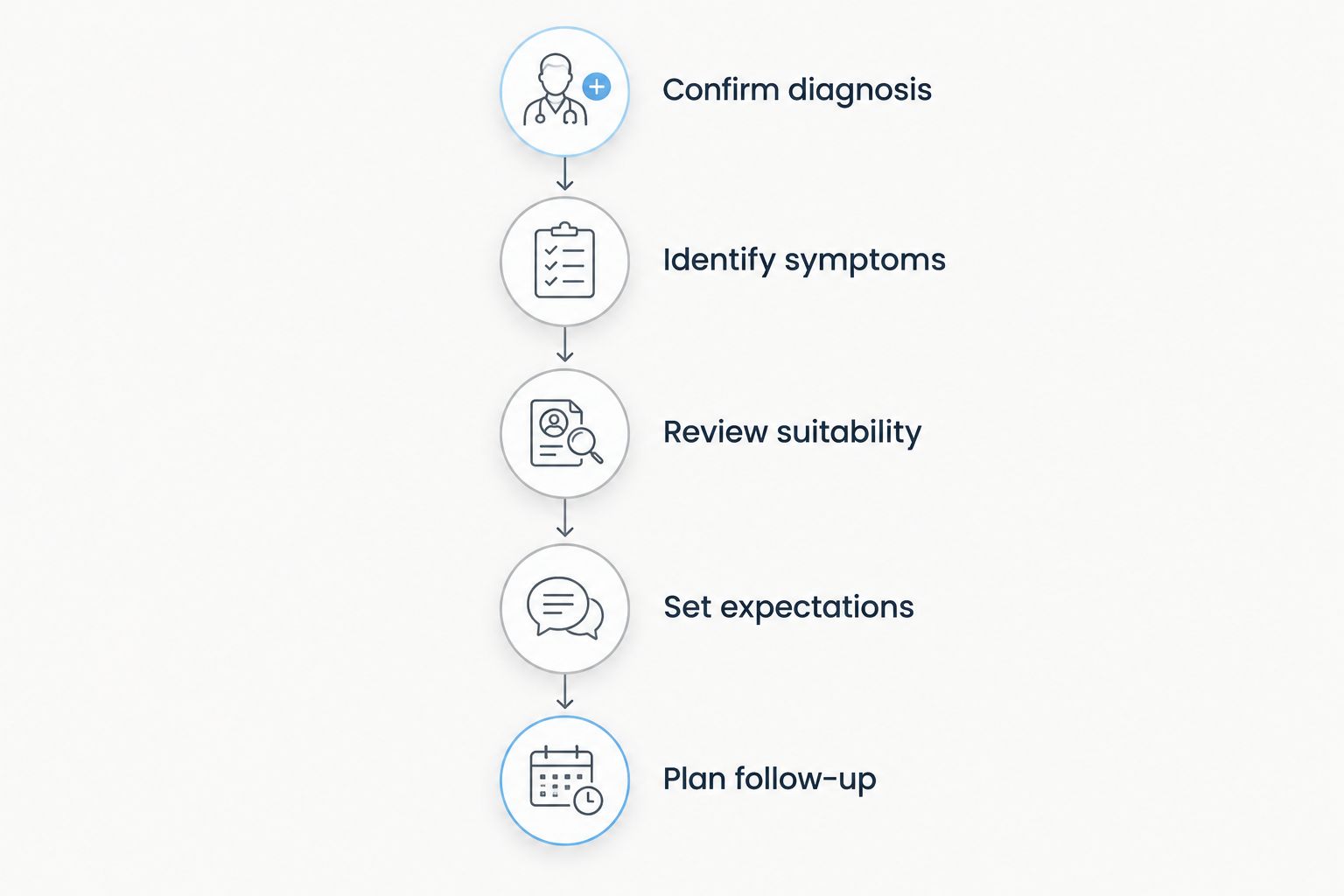
Use this sequence before committing to laser treatment for rosacea redness. It keeps the decision focused on your skin rather than a package description.
- Confirm diagnosis. Ask whether the redness is rosacea and whether another condition needs to be ruled out.
- Identify symptoms. Separate constant redness, flushing episodes, visible vessels, bumps, and eye symptoms.
- Review suitability. Discuss skin tone, tanning, medications, previous procedures, and unusual healing or pigment changes.
- Set expectations. Agree on what improvement means and how it will be documented.
- Plan follow-up. Establish aftercare, review points, and what to do if symptoms worsen.
A treatment plan should explain what happens if the first approach is unsuitable or does not help. Continuing automatically is not the same as reassessing.
Bring photographs showing your usual redness and your flares. Describe what your skin feels like as well as how it looks; burning and stinging are relevant even when they are not obvious in a photograph.
For ongoing comparison, use similar lighting, camera settings, and room conditions. A photograph taken immediately after exercise is not a fair comparison with one taken while your skin is cool and settled.
How can you support results between appointments?
For 2026 rosacea care, daily management still matters after a procedure. The American Academy of Dermatology recommends broad-spectrum, water-resistant sunscreen with SPF 30 or higher, alongside gentle skin care and attention to individual triggers.
Keep your routine simple. Use a gentle cleanser, a moisturizer your skin tolerates, and sun protection; ask your treating professional when to pause or restart irritating active ingredients around treatment. Scrubbing harder does not treat vascular redness.
Track your own triggers rather than adopting every restriction on a generic list. Note what happened before a flare, including heat exposure, exercise, skin products, or food and drink. Share repeated patterns with your clinician.
Do not use a device session as permission to ignore persistent symptoms. New or worsening irritation deserves review, especially if the pattern differs from your usual rosacea.
How long does redness improvement last after Laser Genesis?
There is no universal duration that makes Laser Genesis a permanent rosacea treatment. The visible improvement and its persistence depend on the symptom treated, your response, and continuing disease activity.
Ask how your progress will be reviewed rather than accepting a guaranteed timeline. Further treatment should follow an assessment of returning symptoms, benefit, and risk—not an assumption that everyone needs the same schedule.
Will rosacea redness return after a successful treatment?
Rosacea redness can return after successful laser treatment because the underlying condition remains. New visible vessels, recurring inflammation, or renewed flushing can change the appearance of previously improved skin.
That is why maintenance means more than another procedure. It includes reviewing triggers, skin care, medical treatment, and whether the original device remains the right choice.
Is Laser Genesis safe for every skin tone?
Laser Genesis is not automatically suitable for every person or every skin condition. Skin tone, recent tanning, active irritation, medications, and treatment settings all belong in the safety assessment.
Ask about experience treating your skin tone and the risks of burns, pigment changes, and scarring. A test spot can inform a treatment decision, but it does not guarantee that a full treatment will be free of complications.
What should you ask a Downtown Brooklyn provider?
Ammonite Laser Spa fits Downtown Brooklyn clients seeking personalized laser skin rejuvenation, not a promised rosacea cure. Confirm the specific device, who performs the treatment, and how a rosacea diagnosis affects eligibility before booking.
Use these questions during your 2026 consultation:
- What is causing my redness, and do I need a dermatologist’s diagnosis first?
- Which symptom is this device intended to improve?
- What risks apply to my skin tone and current skin condition?
- How will you distinguish improvement from ordinary day-to-day variation?
- What is the plan if redness worsens or does not improve?
A useful answer explains both the potential benefit and the reason not to treat. Declining or postponing a procedure can be the right recommendation when the skin is inflamed or the diagnosis is unclear.
FAQ
Can Laser Genesis cure rosacea permanently?
No. Laser Genesis can improve visible redness in selected patients, but rosacea is a chronic condition without a permanent cure. Continuing symptom management can still be necessary.
Is Laser Genesis better than IPL for rosacea redness?
Neither is universally better for rosacea redness. The appropriate choice depends on your redness pattern, visible vessels, skin tone, tanning history, and the specific device and settings.
How many Laser Genesis sessions will I need for rosacea?
Your treatment count needs an individual assessment rather than a universal schedule. Ask how response will be reviewed and what would justify continuing, changing, or stopping treatment.
Can laser treatment make rosacea redness worse?
Laser treatment can cause temporary redness and swelling, and complications can include burns or pigment changes. Increasing pain, blistering, or unexpected worsening needs prompt advice from the treating professional.
Should I stop my rosacea medication before laser treatment?
Do not stop prescribed rosacea medication without instructions from your prescriber or treating clinician. Share your complete medication and skin-care list before a procedure.
Does sunscreen still matter after laser treatment for redness?
Yes. The American Academy of Dermatology recommends broad-spectrum, water-resistant SPF 30 or higher for rosacea-prone skin. Follow your provider’s procedure-specific aftercare as well.
Can laser treatment on my cheeks treat eye rosacea?
No. A cosmetic treatment for cheek redness is not a substitute for assessment of eye symptoms. Eye pain, light sensitivity, or vision changes require prompt medical attention.
Does Ammonite Laser Spa offer skin rejuvenation in Brooklyn?
Ammonite Laser Spa offers personalized laser skin rejuvenation in Downtown Brooklyn. Confirm the exact device and suitability for your rosacea symptoms before booking.
One last thing
Judge redness between flares, not just during your worst flare. Record your baseline appearance and comfort before treatment, then compare under similar conditions. A calmer photograph is useful evidence only when the comparison is fair.
The strongest treatment plan explains both what can improve and what will still need management. Permanent-cure language does neither.