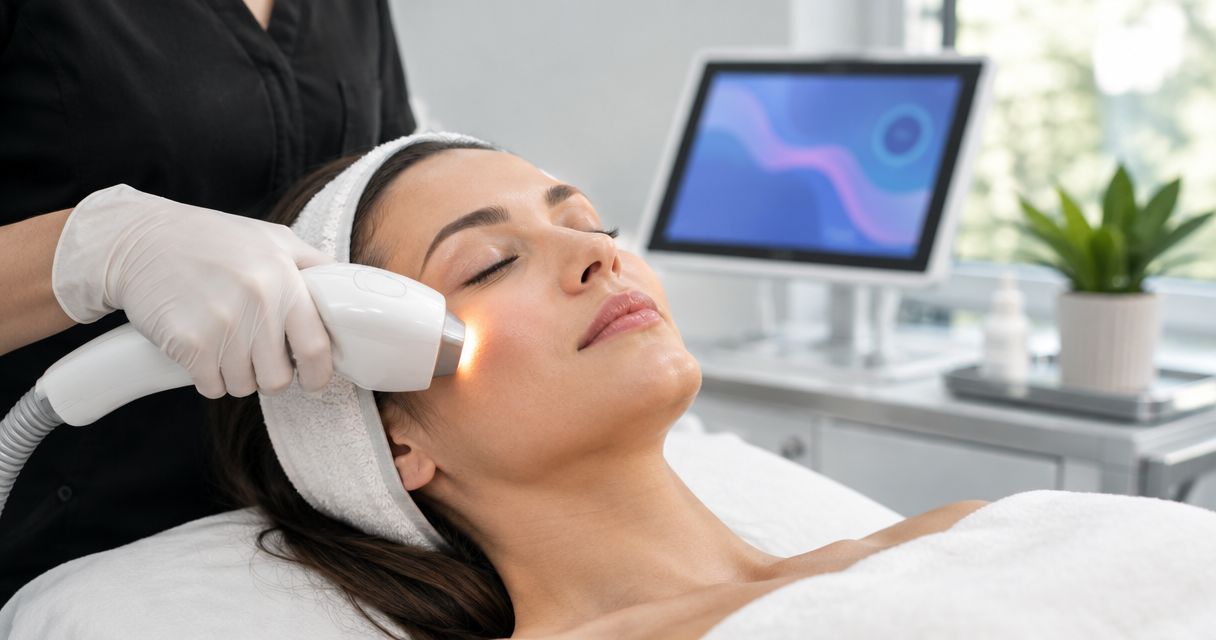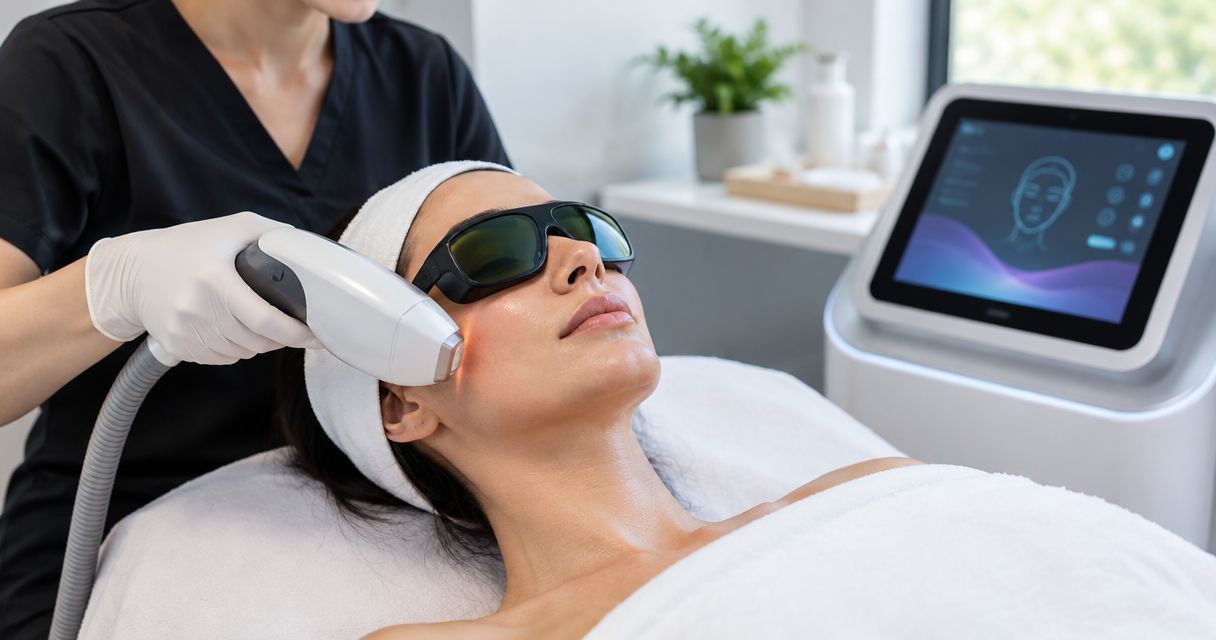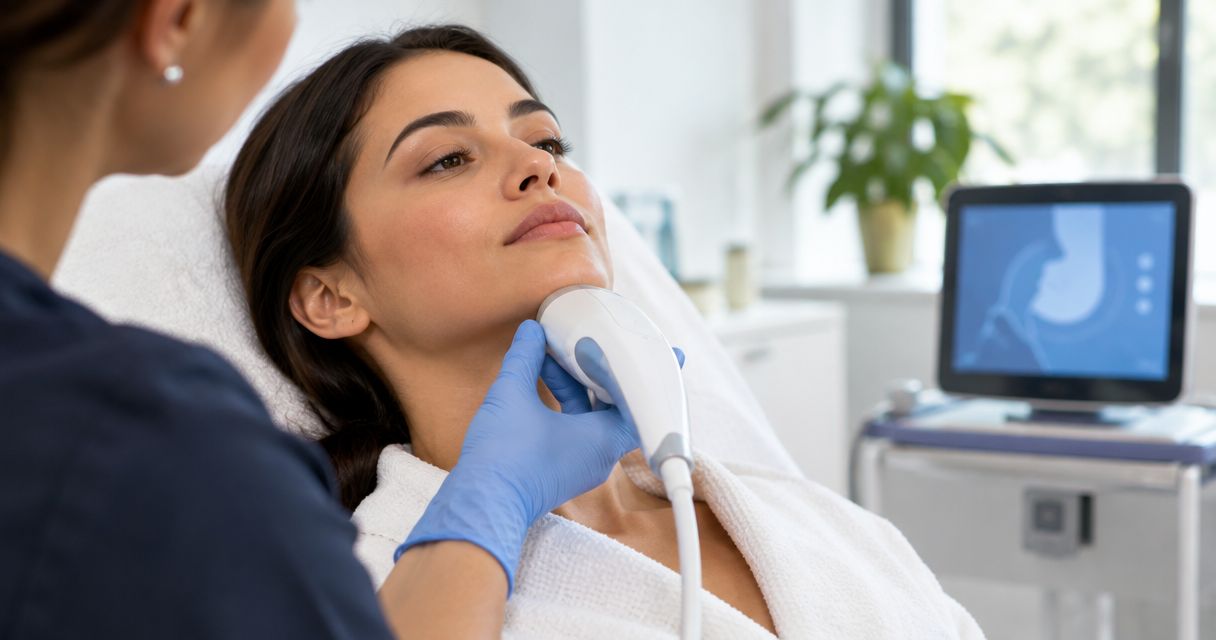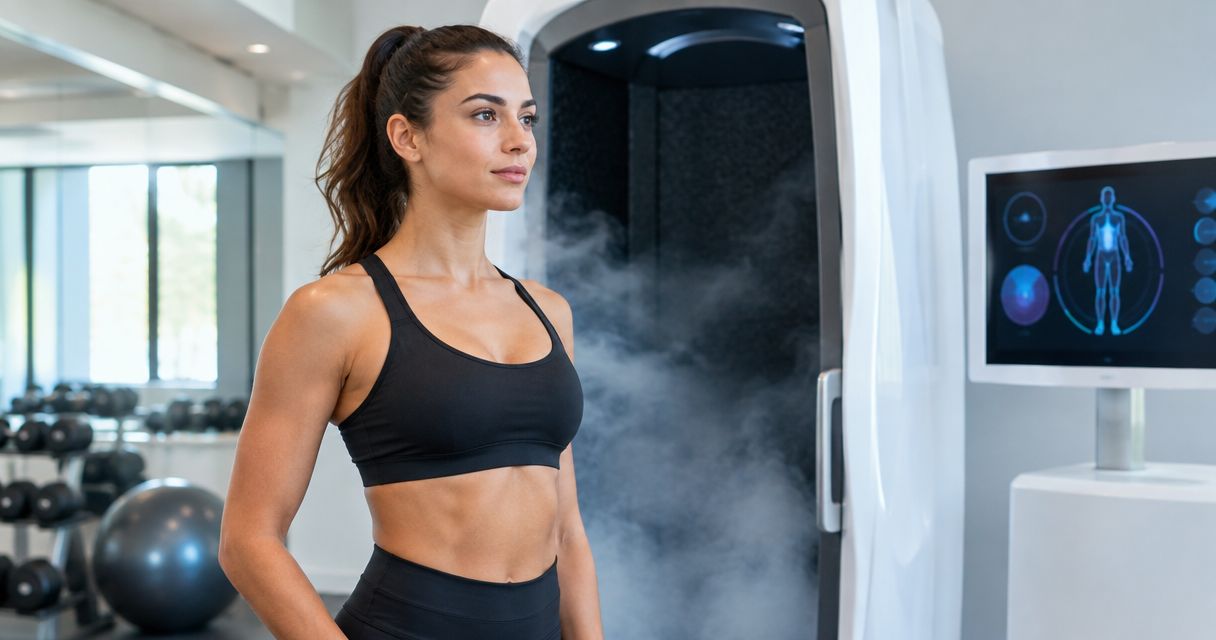
Athletes’ cryo body contouring is a cosmetic cold-based treatment approach aimed at changing localized body contours, not improving strength, endurance, or recovery. This 2026 guide explains cryo body contouring for athletes, including how to check the treatment method, assess risks, and protect your training schedule before booking.
- Cryo body contouring for athletes targets cosmetic concerns, not performance, injury treatment, or exercise recovery.
- Ammonite Laser Spa offers cryo body contouring in Downtown Brooklyn; confirm the exact device before assessing suitability.
- Fat freezing and whole-body cryotherapy are different procedures with different purposes and risks.
- Choose treatment around medical screening and training demands, not a promised race-day transformation.
Why cryo body contouring matters for athletes
Training goals and appearance goals are not interchangeable. A localized contour concern does not automatically call for more exercise, a stricter diet, or a cosmetic procedure. First establish what you want to change—and whether treatment addresses it.
Athletes also need to account for pressure from compression clothing, contact during sport, and competition schedules. A cosmetic appointment should fit around your health and training, not dictate them. In 2026, the useful question is not whether a treatment is popular, but whether its specific method fits your concern.
Ammonite Laser Spa offers cryo body contouring in Downtown Brooklyn. Ammonite Laser Spa is best suited to Downtown Brooklyn clients seeking local cosmetic services, not sports rehabilitation. Treatment suitability still requires individual assessment.
How to assess cryo body contouring for athletes
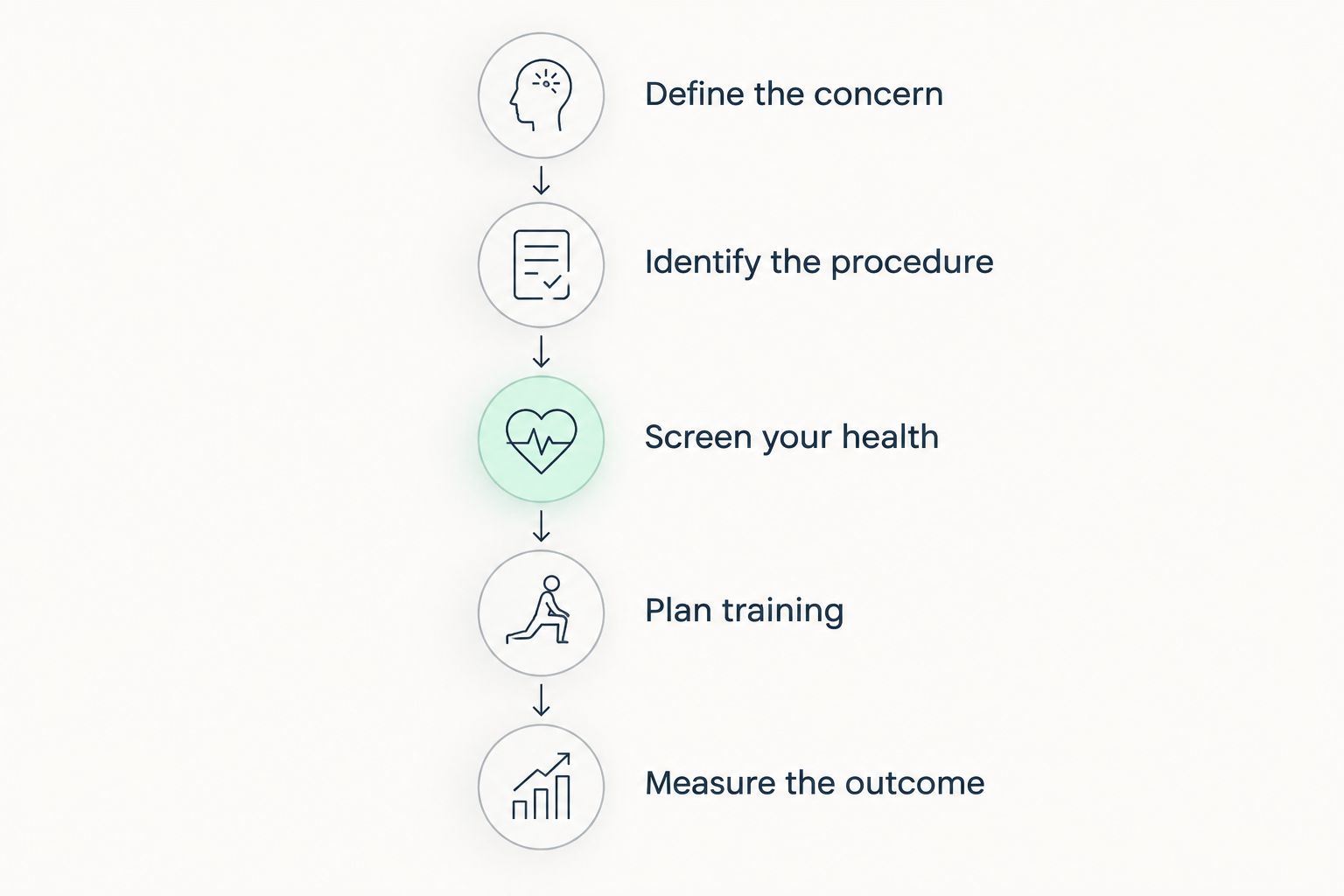
Define the cosmetic change you want
Start with a written description of the concern before contacting a provider. Identify the location and distinguish an appearance preference from pain, swelling, or a new physical change. Unexplained symptoms belong in a medical evaluation, not a body-contouring appointment.
Fat, loose skin, muscle shape, and abdominal bloating are different issues. Fat freezing is not designed to solve all of them. The FDA’s patient guidance on non-invasive body contouring distinguishes cosmetic contour changes from weight-loss treatment; that distinction applies to your 2026 decision.
Use a simple baseline rather than repeatedly checking your body after every workout. If appearance concerns are driving food restriction, distress, or compulsive exercise, discuss those concerns with a qualified healthcare professional before pursuing treatment.
- Write down 1 target area and the specific change you want assessed.
- Take 3 baseline photos—front, side, and angled—under consistent conditions.
- Separate your appearance goal from race times, lifting targets, and recovery goals.
- Ask whether the concern involves fat, skin, muscle, or something requiring medical assessment.
Identify the exact cold-based procedure
The word cryo does not identify a device or establish what a treatment does. Cryolipolysis uses controlled cooling to target subcutaneous fat. Whole-body cryotherapy exposes the body to cold and is not the same procedure; neither term should substitute for a precise treatment description.
Ask for the device name, its intended use, and whether it is appropriate for the proposed treatment area. For a device marketed with FDA clearance, verify the specific device and indication rather than accepting a general statement that cold treatments are cleared.
Ammonite Laser Spa lists cryo body contouring among its services. That service description alone does not establish the device, applicator, treatment protocol, or expected outcome. Get those details before applying general fat-freezing information to a particular appointment.
- Request the exact device name and treatment method.
- Ask whether the procedure is cryolipolysis or another cold-based approach.
- Confirm the proposed body area matches the device’s intended use.
- Request written information about expected effects, risks, and aftercare.
Screen your health before comparing packages
Being fit does not establish that cold-based treatment is suitable for you. Medical history, skin condition, altered sensation, and previous procedures at the treatment site all matter. Give the provider a complete history rather than assuming your training status answers the safety questions.
FDA guidance on non-invasive body contouring identifies cold-related conditions as important concerns for fat-freezing procedures. Disclose cold sensitivity and any diagnosis involving abnormal reactions to cold. Also flag a hernia or suspected hernia near the proposed treatment area.
Screening needs to address both common temporary effects and serious complications. Cryolipolysis can cause pain, redness, bruising, swelling, and numbness. Paradoxical adipose hyperplasia is a recognized complication in which treated fat becomes enlarged rather than reduced; correction can require surgery.
- Disclose medical conditions, medications, supplements, and previous procedures.
- Report cold-triggered symptoms and changes in skin sensation.
- Point out scars, skin problems, or a suspected hernia at the proposed site.
- Ask who evaluates suitability and who handles complications.
- Request an explanation of paradoxical adipose hyperplasia before consenting.
Plan around training demands, not downtime slogans
Begin with your existing training calendar. Mark competitions, contact sessions, long runs, heavy lifting, and travel before discussing appointment timing. A claim of little downtime does not tell you whether pressure, impact, or friction will be comfortable over the treated area.
Ask how the specific procedure affects your planned activities. Cycling clothing, lifting belts, protective equipment, and running waistbands can press directly against a treatment site. You need individualized aftercare instructions, not a generic promise that every athlete can resume everything immediately.
For your 2026 competition calendar, avoid relying on a cosmetic result by a fixed event date. Ask about the expected assessment window and leave room for follow-up. Do not invent your own clearance timeline from another person’s experience.
- Bring your next competition date and a typical training-week outline.
- Identify equipment or clothing that presses on the proposed treatment area.
- Ask separately about lifting, running, swimming, contact sport, and heat exposure.
- Obtain written instructions for modifying activity if symptoms occur.
- Keep important events separate from uncertain treatment and recovery timelines.
Compare options against the actual concern
Your first option is to make no cosmetic change. Keep that option on the table while you assess the concern and review the treatment information. If the issue is broad weight management, a localized contour procedure is not a substitute for appropriate medical or nutrition support.
A personalized service can make the next step more direct by letting you discuss the concern with a provider instead of choosing a procedure yourself. Ammonite Laser Spa offers personalized cryo body contouring, but its suitability for an athlete depends on the exact method and individual screening—not the service name alone.
Use the comparison below to separate cosmetic treatment, clinical assessment, and sports support. These options answer different questions. They are not interchangeable routes to the same result.
- Match the option to the concern before comparing treatment plans.
- Ask what the proposed procedure does not address.
- Compare risks and follow-up responsibilities alongside convenience.
- Decline promises about muscle gain, athletic performance, or guaranteed contour changes.
Measure the outcome without changing the rules
Agree on the assessment plan before treatment. Use consistent photos and a written description of the original concern rather than relying on memory. Body weight alone does not isolate a localized cosmetic change.
Keep training-related changes separate from treatment evaluation. Changes in muscle size, hydration, posture, and clothing can affect appearance. A different camera angle is not evidence that treatment worked—or failed.
Set 2 review checkpoints: one before treatment to document the baseline and one at the provider’s recommended assessment time. These are recordkeeping steps, not a promised treatment schedule. In 2026, your evaluation should still rest on comparable records and a clinical review of concerns.
- Repeat photographs with the same lighting, posture, distance, and clothing.
- Record treatment dates, treated areas, and any symptoms.
- Note major changes in training or body weight during the assessment period.
- Report worsening pain, skin injury, or an enlarging firm bulge promptly.
- Review the result before agreeing to additional treatment.
Compare your options in 2026
The best option is the one that addresses your actual concern with acceptable risks. Cold-based treatment earns consideration for an appropriate cosmetic goal, not simply because an athlete already eats well and trains regularly.
| Option | Best for | Main advantage | Key limitation |
|---|---|---|---|
| No cosmetic treatment | Athletes comfortable leaving the contour unchanged | Avoids procedure-related risks and aftercare | Does not actively change the localized contour |
| Cryolipolysis, when clinically appropriate | Selected adults seeking localized subcutaneous fat reduction | Targets a defined cosmetic concern without an incision | Does not improve performance; carries risks including paradoxical adipose hyperplasia |
| Medical assessment | Unexplained swelling, pain, a new lump, or uncertainty about the tissue involved | Evaluates whether the concern needs diagnosis rather than cosmetic treatment | Does not itself provide a cosmetic contour change |
| Sports dietitian support | Athletes with fueling, weight-management, or body-composition questions | Addresses nutrition within the demands of training | Cannot selectively remove fat from a chosen area |
| Physiotherapy or sports medicine | Athletes with pain, injury, or rehabilitation needs | Addresses function and return-to-sport concerns | Is not a treatment for localized cosmetic fat reduction |
For a broader cosmetic comparison, read the guide to non-invasive body contouring treatments. Use it to organize questions, not to bypass individual screening.
Common mistakes athletes make
Confusing contouring with cold recovery treatments
Cryolipolysis and whole-body cryotherapy are different procedures. A provider’s use of cold does not establish a recovery benefit. Choose body contouring only for a cosmetic objective, not to treat soreness or accelerate rehabilitation.
Treating fitness as medical clearance
A strong training history does not rule out contraindications or complications. Disclose your health history even if you rarely miss a workout. The relevant question is whether the specific procedure is suitable for your body and the proposed site.
Booking immediately before a competition
An appointment that looks convenient on a calendar can conflict with equipment pressure, travel, or symptoms after treatment. Ask about your sport by name and describe its demands. Do not treat a general downtime statement as individualized clearance.
Using the scale as the only scorecard
Localized body contouring is not a weight-loss program. A scale reading cannot tell you whether a particular contour changed, and normal training-related fluctuations can distract from the original question. Compare consistent records at the agreed assessment point.
Assuming a second session fixes every concern
An unsatisfactory result needs assessment before another treatment. An enlarging or firm area after fat freezing deserves clinical attention, not an automatic repeat booking. Ask who will evaluate the change and what follow-up is appropriate.
FAQ
Is cryo body contouring for athletes the same as cryotherapy?
No. Cryolipolysis targets localized subcutaneous fat with controlled cooling, while whole-body cryotherapy is a different cold-exposure procedure. Ask for the exact treatment method because the word cryo alone does not identify it.
Will cryo body contouring improve my athletic performance?
Cryo body contouring is a cosmetic treatment, not a performance treatment. Do not use it in place of sports medicine, rehabilitation, or appropriate training and nutrition support.
Can I exercise immediately after fat freezing?
Follow the treating provider’s activity instructions rather than assuming immediate unrestricted exercise is appropriate. Describe your sport, equipment pressure, contact exposure, and planned training intensity before treatment.
Is fat freezing safe if I am already very lean?
Being very lean does not establish that fat freezing is appropriate. A qualified provider needs to assess the treatment area, available tissue, medical history, and device requirements before recommending a procedure.
What risks should athletes ask about before cryolipolysis?
Ask about pain, swelling, bruising, numbness, cold injury, and paradoxical adipose hyperplasia. Also discuss cold-related medical conditions and who handles assessment if symptoms or an unexpected contour change develops.
Can cryo body contouring tighten loose skin or build muscle?
Do not assume that fat freezing tightens loose skin or builds muscle. Ask which tissue the exact device is intended to treat and whether that matches your concern.
Does Ammonite Laser Spa offer cryo body contouring in Brooklyn?
Yes. Ammonite Laser Spa offers personalized cryo body contouring in Downtown Brooklyn. Confirm the specific device, treatment method, screening requirements, and aftercare before deciding whether it fits your goals.
One last thing
Before booking in 2026, ask one question: What would make you advise against treating me? A useful answer identifies limits, medical concerns, and circumstances where another assessment comes first. If the discussion covers only the desired appearance and never the reasons to decline treatment, keep asking questions.