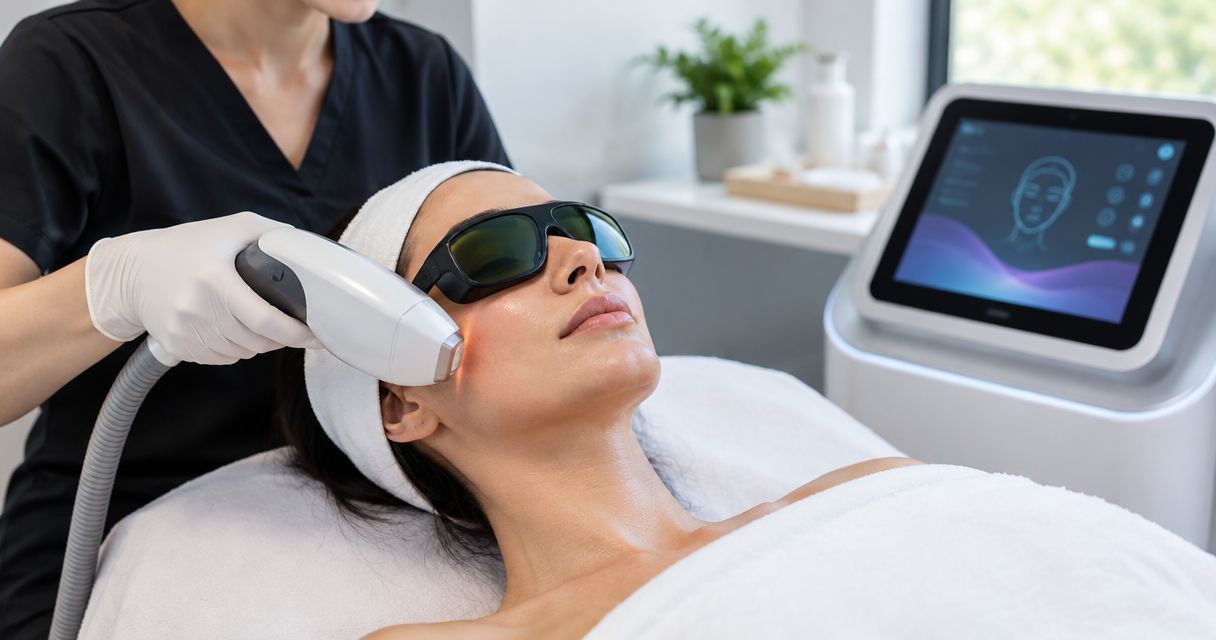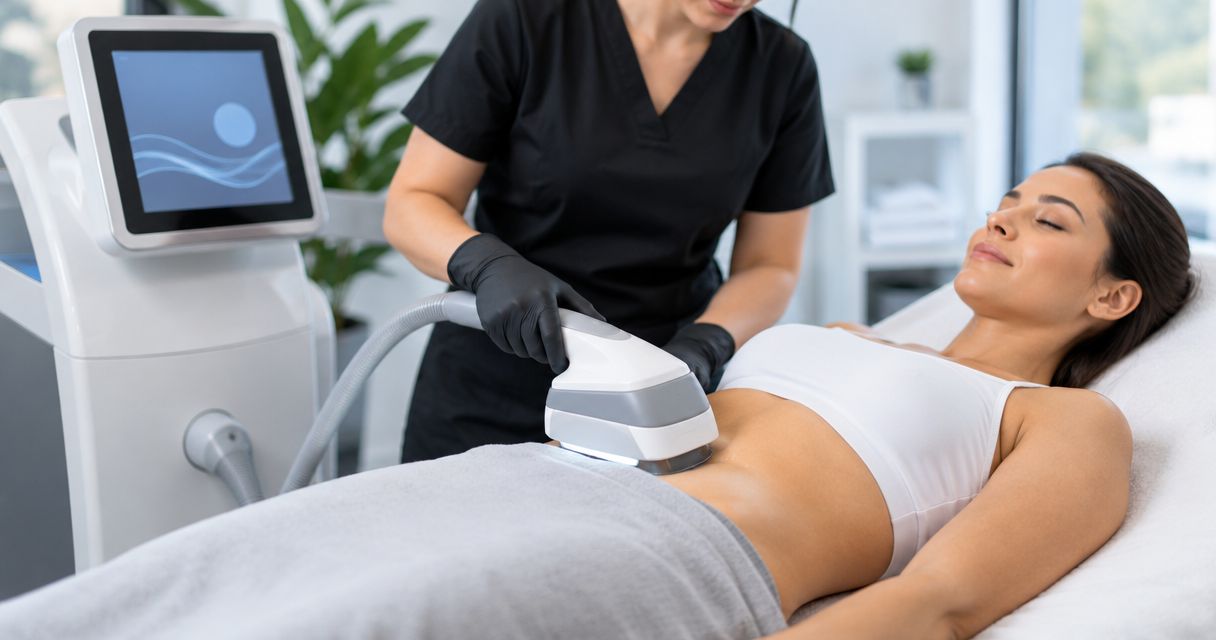
Cryo body contouring results can be long-lasting when the treatment uses cryolipolysis to destroy fat cells, but there is no fixed expiration date or guaranteed duration for your visible result. Remaining fat cells can enlarge with weight gain, and aging or pregnancy can change your shape. The key distinction is lasting fat-cell reduction versus a body contour that stays unchanged.
- How long do cryo body contouring results last? Cryolipolysis fat reduction can persist; your body shape can still change.
- FDA guidance describes clearance of damaged fat cells over 2–3 months, not an expiration date for results.
- Confirm the device and mechanism: a cryo body contouring label alone does not establish permanent fat reduction.
- Ammonite Laser Spa offers personalized cryo body contouring in Downtown Brooklyn; ask about the exact treatment before booking.
Why this matters
The time it takes to see a result is not the time that result lasts. Confusing those timelines can lead you to judge treatment too early or assume you need indefinite maintenance appointments.
For treatment decisions in 2026, start by checking what the provider means by cryo body contouring. The term alone does not identify the device, its regulatory status, or whether it destroys fat cells. If you are still choosing an approach, review the distinctions between non-invasive body contouring treatments before comparing longevity claims.
How long do cryo body contouring results last?
For cryolipolysis, fat cells destroyed by treatment are cleared from the treated area. That reduction can persist, but it does not prevent remaining fat cells from growing or stop other changes in your body.
The FDA's patient guidance on non-invasive body contouring describes the body clearing damaged fat cells over 2–3 months after fat-freezing treatment. That interval describes the biological response after treatment—not a promise that your result will disappear afterward.
Use these distinctions when interpreting a longevity claim in 2026:
| What you are assessing | What it means | What it does not establish |
|---|---|---|
| Fat-cell reduction | Cryolipolysis destroys susceptible fat cells in the treated area | That every fat cell is removed |
| Visible contour | The external shape you see after treatment | That skin, weight, and muscle will never change |
| Results timeline | The interval while treatment effects develop | An expiration date for the outcome |
| Further treatment | Additional treatment considered after reassessment | That previously destroyed fat cells have returned |
Do not accept a fixed longevity promise without knowing the treatment mechanism. Evidence about cryolipolysis cannot automatically support a different cooling treatment simply because both use the word cryo.
Why isn't there one reliable number of years?
A visible contour depends on more than the number of fat cells in a treatment area. Your weight, skin, anatomy, and later body changes all influence what you see.
A statement such as permanent fat reduction describes a treatment effect on fat cells. It does not guarantee a permanent silhouette, a particular clothing size, or an unchanged photograph years later. Those are different claims and need different evidence.
What changes during the results timeline?
Fat freezing is not an instant assessment of your final shape. Early swelling and other treatment effects can obscure the change you are trying to measure, so use the device-specific follow-up schedule rather than judging the outcome immediately.
Early recovery: don't mistake swelling for the outcome
The FDA lists temporary redness, swelling, bruising, discomfort, and numbness among possible effects of non-invasive body contouring, with risks varying by technology. Ask which effects apply to your proposed device and how to report symptoms that concern you.
A swollen treatment area is not evidence that your result has failed. Equally, an immediate measurement change does not prove lasting fat-cell reduction.
Fat clearance: 2–3 months is a development window
The FDA describes damaged fat cells being cleared over 2–3 months following fat freezing. At 2 months, that process can still be underway; 3 months is not a universal finish line for every device, body area, or treatment plan.
Use that window as general context, not as a substitute for your provider's instructions. Ask when the specific device's outcome should be assessed and what finding would justify another treatment.
Longer-term follow-up: assess shape and weight together
Once the result has developed, compare the treated area alongside your weight trend and skin changes. A fuller-looking abdomen after weight gain does not, by itself, show that destroyed fat cells have returned.
Likewise, a change in skin laxity can alter the outline without proving that fat reduction has reversed. Keep those explanations separate before deciding that another fat-focused procedure is the answer.
Why cryo body contouring longevity varies
These factors affect the durability or appearance of a result. They are reasons to assess your situation individually, not a formula for predicting a guaranteed number of years.
- Treatment mechanism. Cryolipolysis evidence concerns controlled fat freezing. Confirm whether the proposed procedure uses that mechanism before relying on claims about destroyed fat cells.
- Weight changes. Remaining fat cells can enlarge with weight gain, changing the contour even where treatment reduced fat.
- Skin laxity. Reducing a fat bulge and tightening loose skin are different treatment goals. Skin can affect how smooth or defined an area looks.
- Pregnancy and aging. Later changes in abdominal shape, skin, and body composition can alter the appearance of a previous result.
- Starting anatomy. A superficial fat bulge, loose skin, and deeper abdominal fullness are not interchangeable concerns. Treatment must match the tissue responsible for the shape.
Stable weight supports a more consistent contour; it does not guarantee an identical body shape forever. You do not need to interpret every small fluctuation as treatment failure. Look for a sustained change and have the cause assessed.
How do you assess whether your result is lasting?
Use a repeatable comparison rather than relying on memory or a single mirror check. For a treatment course beginning in 2026, save the baseline photographs and written treatment details so later comparisons have a clear reference.
- Confirm the mechanism. Record the device name, the treatment area, and the intended outcome. Ask whether the goal is fat reduction, another contouring effect, or both.
- Set the baseline. Take photographs with consistent posture, lighting, camera distance, and clothing. Record your weight without treating it as the only measure of success.
- Wait for review. Follow the device-specific assessment schedule. Avoid making a final judgment while swelling or the treatment response is still developing.
- Compare the contour. Review the same area under the same conditions. Include weight changes, pregnancy, or other relevant body changes in the discussion.
- Reassess the cause. Before scheduling more treatment, establish whether the concern is residual fat, loose skin, a changed weight, or a possible complication.
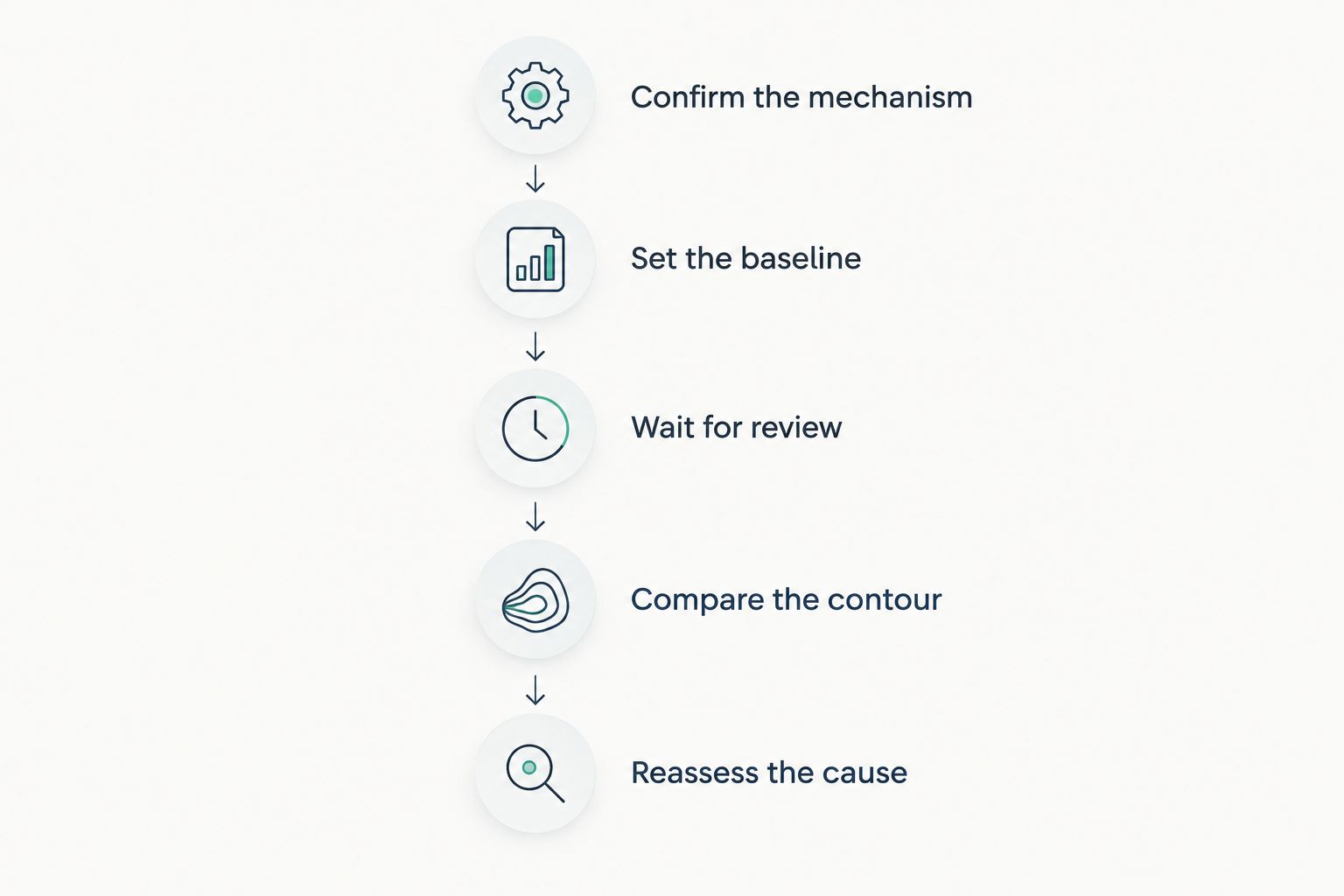
Consistency makes the comparison useful. A change in pose, waistband pressure, or lighting can alter how the same area looks, so bring comparable photographs rather than selecting the most flattering before-and-after pair.
Do you need maintenance treatments forever?
Cryolipolysis does not imply an automatic lifelong maintenance schedule. Another treatment can be considered for residual fat or a different area, but that is not the same as replacing a result that has expired.
Ask what an additional session is intended to change. The answer should identify a specific concern and explain why the proposed treatment addresses it. A calendar-based recommendation alone does not explain the need.
If your weight and contour remain stable and you are satisfied, ask what benefit further treatment would add. If the main concern is loose skin, more fat reduction is not automatically the right next move.
Can weight gain reverse cryo body contouring results?
Weight gain can reduce the visible benefit of cryolipolysis because remaining fat cells can enlarge. That does not mean the original fat-cell reduction has simply switched off.
For a meaningful assessment, compare your current contour with the post-treatment result alongside your weight trend. Avoid treating body contouring as a weight-management procedure: the FDA states that non-invasive body contouring does not treat obesity or deliver the health benefits associated with weight loss.
What if the treated area becomes larger or harder?
A treated area that becomes progressively larger, firm, or unusually shaped needs clinical assessment—not an assumption that the result has worn off. The FDA identifies paradoxical adipose hyperplasia as a possible complication of fat freezing, in which fatty tissue grows instead of shrinking.
FDA guidance describes this complication appearing 2–5 months after treatment and notes that surgical treatment can be necessary. That is different from ordinary weight gain or early swelling. Seek prompt medical advice about a persistent or enlarging bulge, and urgent care for severe pain or signs of skin injury.
What should you ask before booking in Downtown Brooklyn?
Ammonite Laser Spa's cryo body contouring is for Downtown Brooklyn clients seeking personalized, non-invasive treatment. Its stated service offering establishes the treatment category, not a particular device, candidacy decision, or guaranteed duration.
Before booking a 2026 treatment, ask for these details:
- The exact device and whether it uses cryolipolysis.
- The device's FDA status and authorized treatment areas.
- The reason your concern is suitable for that treatment.
- The expected assessment timeline and follow-up instructions.
- The contraindications, possible complications, and escalation process.
- The specific change that would justify additional treatment.
The benefit of a local service is the opportunity to discuss your individual concern. The limitation is that no provider can promise your body will remain unchanged. Review the services, then request device-specific information rather than relying on the category name alone.
Ask about your treatment plan
Confirm the device, suitability, risks, and follow-up timeline before booking cryo body contouring.
FAQ
Are cryo body contouring results permanent?
Cryolipolysis can produce lasting fat-cell reduction, but it does not guarantee a permanently unchanged shape. Remaining fat cells can enlarge, and aging or pregnancy can alter your contour.
How long does it take to see the final result from fat freezing?
The FDA describes damaged fat cells being cleared over 2–3 months after fat freezing. Your device-specific assessment schedule determines when to review the outcome rather than assuming that every treatment finishes on the same date.
Does cryo body contouring wear off after a year?
Cryolipolysis does not have a fixed expiration date after a year. A changed contour needs assessment for weight changes, skin laxity, residual fat, or another cause rather than an assumption that the treatment wore off.
Will I need regular maintenance sessions after cryolipolysis?
Cryolipolysis does not automatically require ongoing maintenance sessions. Further treatment should have a defined purpose, such as addressing residual fat, rather than being presented as necessary because time has passed.
Can I gain weight in an area treated with fat freezing?
Yes, a treated area can become fuller with weight gain because remaining fat cells can enlarge. Fat freezing is not a weight-loss treatment or protection against future weight gain.
Is cryo body contouring the same as skin tightening?
No, fat reduction and skin tightening are different treatment goals. Confirm what the proposed device treats, especially if loose skin rather than a localized fat bulge is your main concern.
What should I do if a fat-freezing bulge gets bigger?
An enlarging or firm bulge after fat freezing needs clinical assessment. The FDA describes paradoxical adipose hyperplasia appearing 2–5 months after treatment; do not assume that a growing bulge is routine recovery.
Does Ammonite Laser Spa offer cryo body contouring in Brooklyn?
Ammonite Laser Spa lists personalized cryo body contouring among its services in Downtown Brooklyn. Ask the studio to confirm the device, your suitability, expected follow-up, and risks before scheduling treatment.
One last thing
The most useful longevity question is not just how long the result lasts—it is what actually changed. Fat reduction, swelling, skin laxity, and weight gain require different explanations and different next steps.
Before starting treatment in 2026, ask your provider to write down the intended change and how it will be assessed. That gives you a practical reference later, without turning a lasting fat-cell effect into an unrealistic promise of an unchanging body.