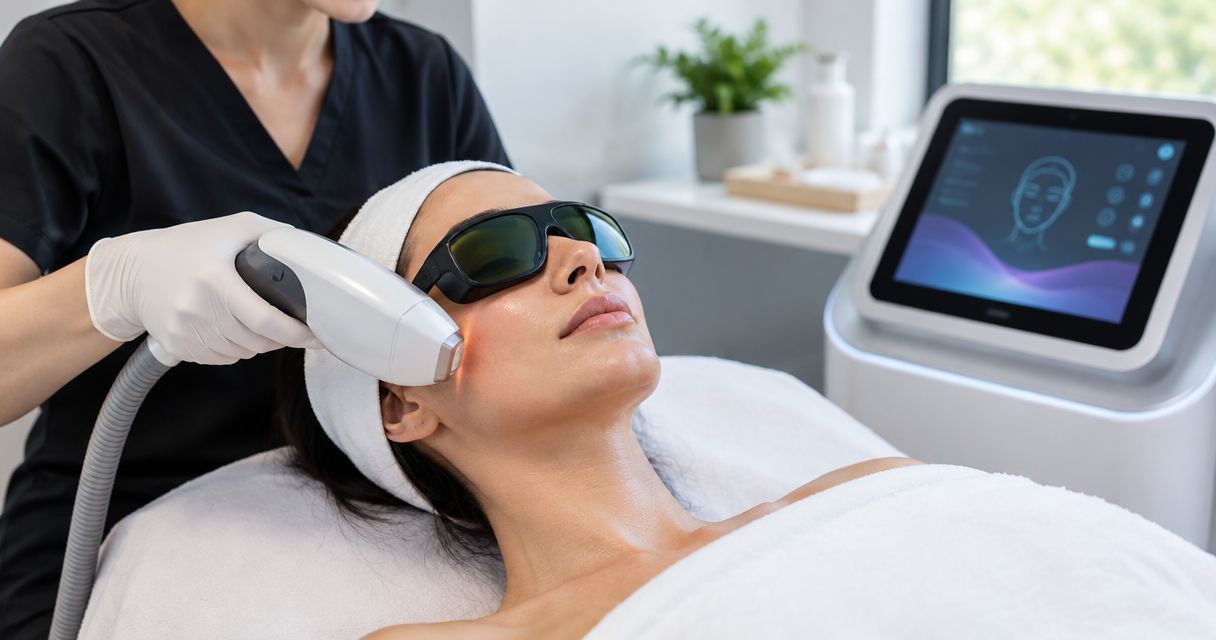
Double chin reduction takes weeks to months to show a meaningful change, rather than producing a finished result immediately after treatment. The timeline depends on whether your treatment targets fat or loose skin, and swelling can temporarily hide progress. This 2026 guide explains how to judge results without confusing recovery, early improvement, and the final assessment.
- How long does double chin reduction take to work? Expect gradual change; the treatment method determines the assessment timeline.
- The FDA describes fat clearance after cryolipolysis as taking about two to three months.
- Ammonite Laser Spa offers personalized non-invasive treatments; confirm suitability for the under-chin area before booking.
- Fat reduction and skin tightening address different concerns, so they do not share one reliable results deadline.
Why this matters
A shorter appointment does not mean a faster result. Some treatments depend on your body clearing damaged fat cells; others depend on gradual changes in skin tissue. Recovery is a separate process.
Before comparing timelines, review the different non-surgical double chin reduction treatments. Your first decision is which concern needs treatment, not which appointment fits most easily into your calendar.
How long does double chin reduction treatment take to work?
There is no single double chin treatment timeline. The treatment mechanism, the area being treated, and the need for repeat sessions determine when an assessment becomes useful.
For 2026 planning, distinguish a treatment's biological response from a promised cosmetic outcome. FDA guidance on non-invasive body contouring describes gradual fat clearance after freezing, while prescribing information for deoxycholic acid describes a course of treatments rather than an instant correction.
| Treatment approach | Results timing to discuss | Best for | Main limitation |
|---|---|---|---|
| Cryolipolysis, or fat freezing | FDA guidance describes fat clearance over about two to three months | Suitable localized fat with an appropriate under-chin device | Does not address every cause of fullness; cold-related complications are possible |
| Deoxycholic acid injections | Progress is assessed across a treatment course; sessions are at least one month apart | Appropriately assessed adults with submental fat | Swelling can obscure the contour; injections carry specific medical risks |
| Radiofrequency or ultrasound skin tightening | Device-specific follow-up is needed; changes develop gradually | Skin laxity when a clinician considers the device appropriate | Tightening is not interchangeable with fat removal |
Match the treatment to the tissue before comparing the calendar. A method that reduces fat is not automatically the right answer when loose skin is the main concern.
These are category comparisons, not a statement that every method is offered by the same provider. Ask for the exact treatment name before applying any timeline to your appointment.
Cryolipolysis: fat clearance over two to three months
The FDA's guidance on non-invasive body contouring explains that the immune system clears damaged fat cells after cryolipolysis, usually over two to three months. That describes a biological process, not a guarantee of a particular change in your profile.
Best for: localized fat that a qualified clinician determines is suitable for an appropriately indicated device. The advantage is a non-surgical approach to a defined fat pocket; the limitation is that skin laxity and deeper anatomy can still affect the outline afterward.
Do not transfer a belly-treatment timeline or device claim directly to your chin. The applicator, treatment site, and device indication matter. Ask whether the equipment is intended for the submental area and how the provider will assess your suitability.
Fat freezing also carries risks. FDA guidance describes complications including cold burns and paradoxical adipose hyperplasia, in which treated fatty tissue enlarges rather than shrinks. An enlarging or firm treatment-area bulge needs clinical assessment, not another session booked without review.
Deoxycholic acid injections: sessions at least one month apart
FDA prescribing information for deoxycholic acid injections permits up to six treatments, spaced at least one month apart. That schedule sets a minimum interval between treatments; it does not mean everyone needs six sessions or gets a finished result after the first month.
Best for: adults whose submental fullness is appropriate for this prescription treatment after medical assessment. Its advantage is a targeted approach to submental fat, while its limitations include injection-related swelling and the possibility of an extended treatment course.
Swelling, bruising, pain, numbness, and firmness can affect the early appearance. The prescribing information also warns about marginal mandibular nerve injury, which can cause an uneven smile, and difficulty swallowing.
Ask the treating medical professional when to return for assessment and which symptoms require prompt contact. Do not judge success from a photograph taken while the area is swollen, and do not assume that a published maximum treatment count is your personal prescription.
Skin tightening: use the specific device's assessment window
Radiofrequency and ultrasound treatments do not all use the same energy delivery, settings, or treatment schedule. A generic promise that every tightening treatment works by the same week is not a useful basis for consent.
Best for: a concern involving skin laxity when examination supports an energy-based approach. The potential advantage is treating laxity without surgical excision; the limitation is that a tightening treatment does not necessarily remove the fat responsible for fullness.
For your 2026 treatment plan, ask the provider to identify the device, its intended treatment site, and the planned review point. Also ask what degree of laxity the treatment cannot reasonably correct.
A contour can remain full even when the skin feels firmer. That is why your follow-up should assess the original concern, rather than substituting a different improvement for the result you wanted.
Why double chin reduction timelines vary
Your results schedule should follow an examination and a named procedure. These factors explain why someone else's appointment diary is not a reliable forecast for yours:
- Treatment mechanism: fat freezing, injectable fat reduction, and skin tightening involve different tissue responses.
- Source of fullness: fat, loose skin, and underlying anatomy do not respond to the same intervention.
- Treatment course: a repeat-session plan takes longer to complete than an individual appointment.
- Recovery changes: swelling, bruising, and firmness can make early photographs misleading.
- Treatment suitability: the device, treatment site, and clinical assessment determine whether a method fits the concern.
- Assessment method: changes in posture, lighting, and camera angle make comparisons less dependable.
A realistic timeline includes both treatment and review. Ask what the provider expects to assess at follow-up, not just when you might first notice something different in the mirror.
How should you track whether double chin treatment is working?
Use a repeatable comparison rather than daily impressions. For 2026 progress tracking, keep your photographs consistent and follow the provider's review schedule instead of inventing your own deadline.
- Baseline photos: take front and side photographs before treatment, with your head in a neutral position.
- Recovery check: record swelling, tenderness, numbness, or other changes and follow the written aftercare instructions.
- Scheduled review: compare photographs at the treatment-specific follow-up, using the same camera position and lighting.
- Next decision: discuss whether the original concern improved, whether more treatment is appropriate, or whether the plan needs reassessment.
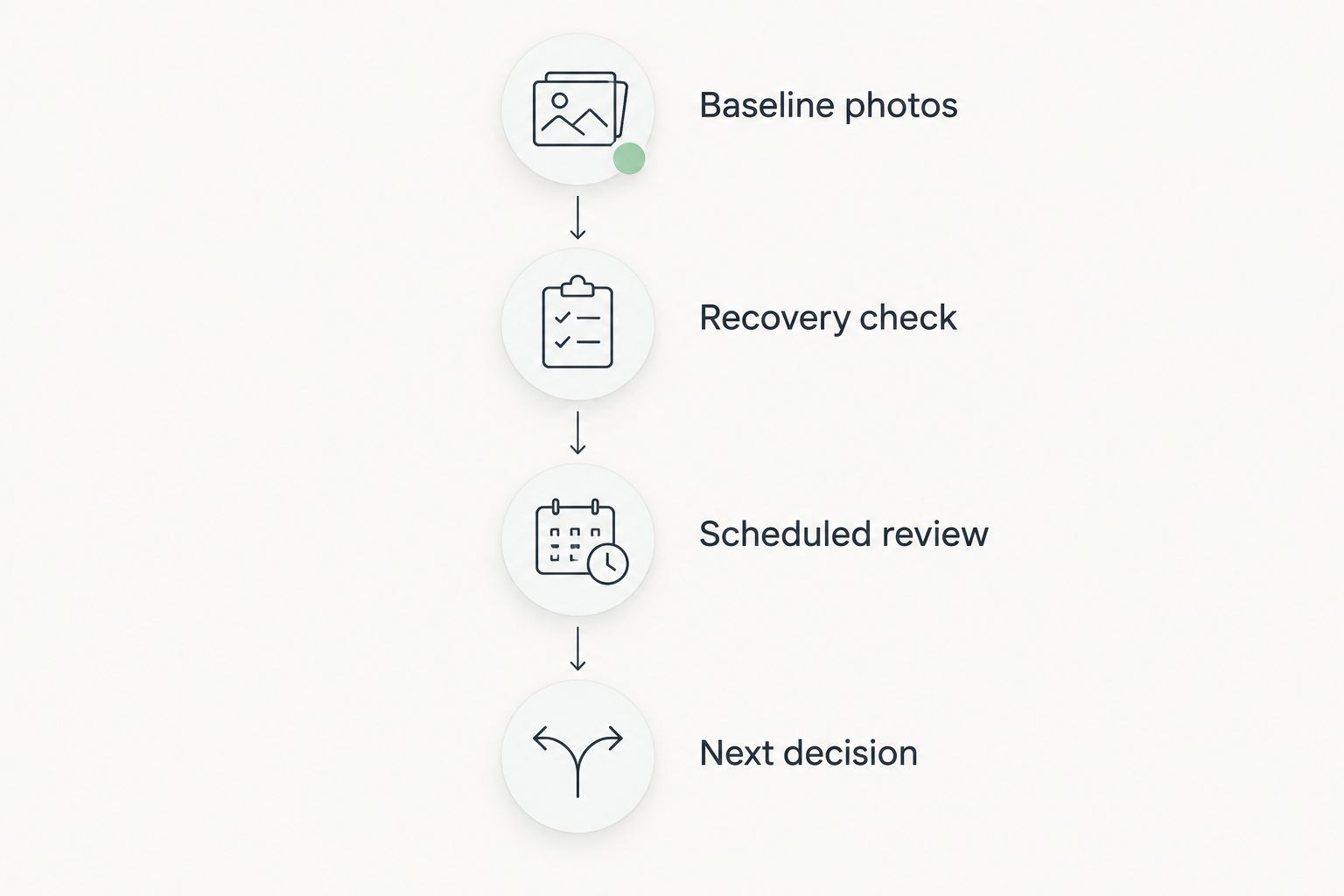
Keep your chin position consistent. Lifting your head stretches the under-chin area and changes the visible contour, so a more flattering angle is not evidence that treatment has worked.
Also separate the questions you ask at review. Has the swelling settled? Has the fat pocket changed? Is loose skin still affecting the profile? Answering each question makes the next decision more specific than simply asking whether your face looks slimmer.
Will I see a difference immediately after treatment?
An immediate difference is not a dependable final result. Early swelling or temporary tissue changes can alter the outline before the treatment response is ready to assess.
Ask which early changes are expected with your specific procedure. An explanation should distinguish normal recovery from symptoms that need review, rather than treating every change as proof of progress.
Does another session make results appear faster?
Another session does not remove the required recovery or assessment interval. For deoxycholic acid injections, FDA prescribing information specifies at least one month between treatments.
Repeat treatment should follow assessment of your response and suitability. Booking closer together without a clinical reason is not a substitute for waiting for the first treatment's effects to become assessable.
What if I still have a double chin after the review?
Persistent fullness needs reassessment before more treatment. The explanation can involve residual fat, skin laxity, underlying anatomy, or a result that does not meet your original goal.
Ask the clinician to compare baseline photographs and explain which tissue is still contributing to the contour. If the original treatment does not address that tissue, repeating it is not automatically the right next step.
What should you ask before booking in Brooklyn?
Ammonite Laser Spa is best for Downtown Brooklyn clients seeking personalized, non-invasive beauty and skin treatments. The studio offers cryo body contouring, but an under-chin treatment plan still requires confirmation of the method, treatment-area suitability, and expected follow-up.
The benefit of Ammonite Laser Spa's non-invasive treatment focus is its relevance to clients who do not want surgery. The limitation is the same important boundary that applies elsewhere: a non-invasive service is not a promise to correct every cause of submental fullness.
Use the services information to prepare your questions. Ask the provider to explain:
- What is causing the fullness you want treated?
- Which exact procedure and device would be used?
- Is the equipment intended for the under-chin area?
- When should recovery changes settle enough for a useful review?
- What risks and contraindications apply to your health history?
- What happens if the first treatment does not address your concern?
For a wedding, performance, or other fixed event in 2026, give the provider the actual date before agreeing to treatment. Ask whether the expected course leaves time for recovery and assessment; do not treat the event date as a reason to compress medically advised intervals.
A useful consultation ends with a clear plan, including what treatment cannot do. Leave with an assessment date, not just an appointment date.
When should you contact the treating clinician?
Contact the treating clinician about symptoms that worsen, seem unexpected, or fall outside your written recovery instructions. Do not wait for a cosmetic-results appointment to raise a possible complication.
After injectable treatment, an uneven smile or difficulty swallowing warrants prompt medical advice. Severe breathing or swallowing difficulty requires emergency care. After fat freezing, report a persistent enlarging bulge or concerning skin changes.
Bring your treatment details to any assessment, including the procedure name and treatment date. This helps the clinician distinguish an expected recovery pattern from a problem that needs a different response.
FAQ
How long does double chin reduction take to work after fat freezing?
Fat clearance after cryolipolysis usually takes two to three months, according to FDA guidance on non-invasive body contouring. Your visible result still depends on suitability, the treated area, and the treatment response.
Will my double chin disappear after one treatment?
One treatment does not guarantee that your double chin will disappear. The cause of fullness and the chosen procedure determine whether further treatment or a different approach is appropriate.
Why does my chin look bigger after treatment?
Swelling can temporarily make the treated area look fuller. Worsening swelling, significant symptoms, or a persistent enlarging bulge needs assessment rather than an assumption that recovery is normal.
How far apart are double chin fat-dissolving injections?
Deoxycholic acid treatments are spaced at least one month apart under FDA prescribing information. Your medical professional determines whether another treatment is appropriate.
Is fat freezing better than skin tightening for a double chin?
Fat freezing and skin tightening address different concerns. An examination should establish whether fat, laxity, or another anatomical factor is responsible before choosing a method.
Can I massage my double chin to get faster results?
Do not add massage unless your treating provider instructs you to do so. Follow the procedure-specific aftercare rather than assuming massage speeds fat clearance or tissue recovery.
Does Ammonite Laser Spa offer treatments relevant to body contouring?
Ammonite Laser Spa offers cryo body contouring and personalized non-invasive beauty and skin treatments in Downtown Brooklyn. Confirm whether the proposed equipment and treatment plan are suitable for your under-chin area before booking.
One last thing
The most useful question is not “When will I look different?” but “When will we assess whether this treated the right concern?” That question separates a biological timeline from a cosmetic promise.
Before you leave your consultation, write down the procedure name, review date, and symptoms that require contact. Keep those details with your baseline photographs. A clear comparison and an agreed decision point give you a better basis for the next step than repeatedly checking your profile under different lighting.