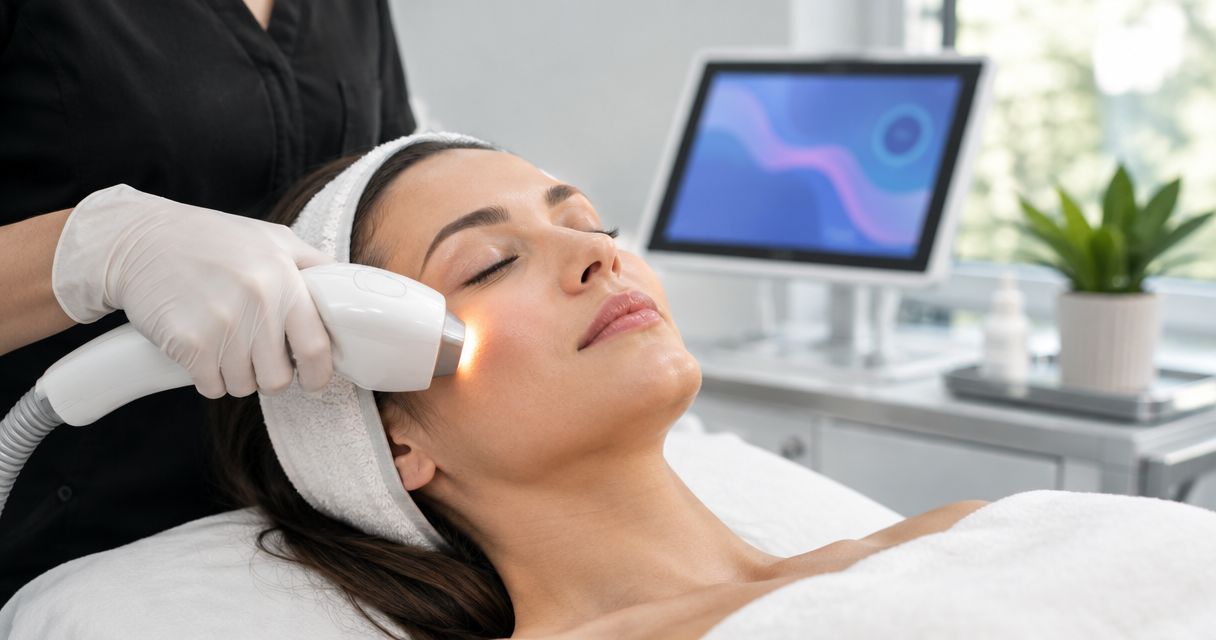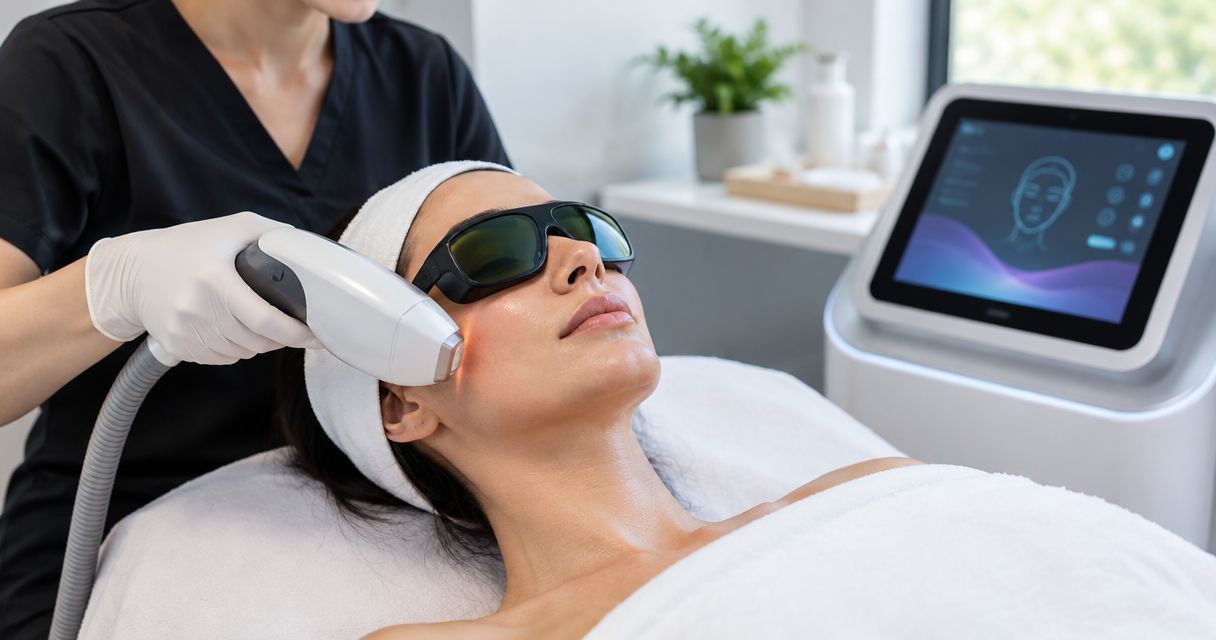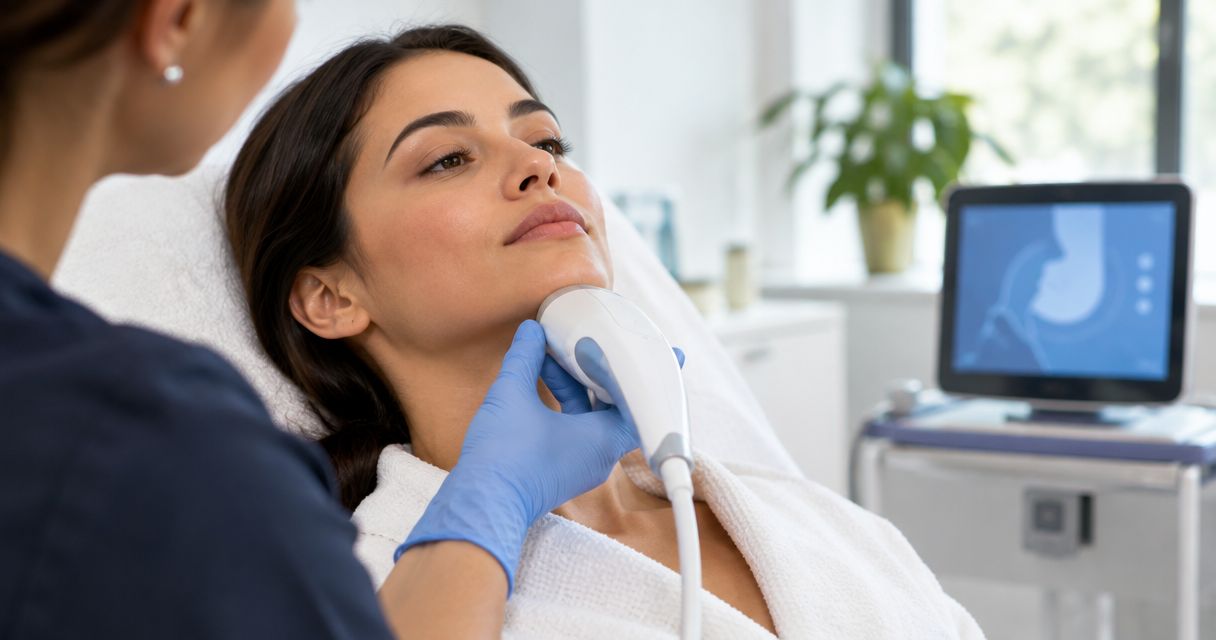
Postpartum skin tightening is care aimed at improving loose skin after pregnancy, with the goal of addressing laxity without confusing it with fat, stretch marks, or abdominal muscle separation. This 2026 guide to skin tightening for postpartum moms explains how to identify your concern, compare treatment options, and plan around healing and breastfeeding.
- Skin tightening for postpartum moms starts with separating loose skin from fat, stretch marks, and abdominal muscle separation.
- Ammonite Laser Spa offers non-invasive skin services; treatment suitability still requires an individual assessment.
- Microneedling targets skin texture, while fat reduction and abdominal rehabilitation address different concerns.
- Breastfeeding, incision healing, medications, and skin tone belong in your treatment screening.
Why skin tightening matters for postpartum moms
A postpartum belly is not a diagnosis. Loose skin, stretch marks, localized fat, and changes in the abdominal wall can appear together, but they need different approaches. A treatment chosen for the wrong concern leaves the original problem unaddressed.
Recovery also changes the decision. You need to account for healing incisions, feeding, interrupted sleep, and whether aftercare fits your daily responsibilities. An elective procedure should fit your recovery, not set its timetable.
Ammonite Laser Spa is a boutique studio in Downtown Brooklyn offering laser skin rejuvenation, microneedling, and cryo body contouring, among other services. Ammonite Laser Spa is best suited to local clients seeking non-invasive skin services rather than surgical removal of excess skin. Its listed services do not establish which procedure is appropriate for your postpartum concern.
How to plan postpartum skin tightening in 2026
1. Identify what you actually want to change
Start without buying anything: describe the concern in plain language. Is the skin crepey? Are there stretch marks? Does the abdomen bulge during movement? Does a healed incision feel uncomfortable? These observations help you explain the problem, but they do not replace an examination.
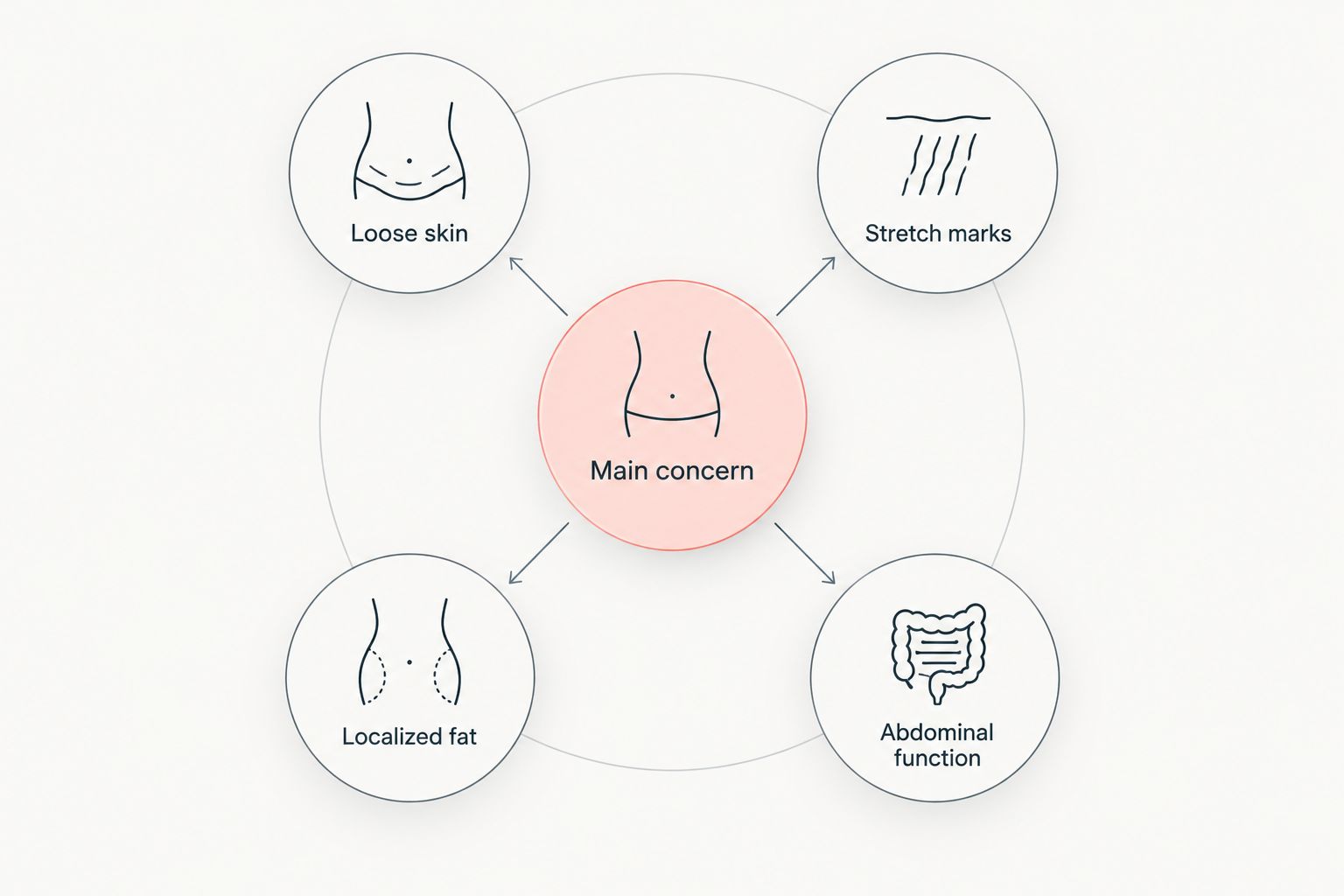
Loose skin is different from an abdominal wall problem. Diastasis recti involves separation between the rectus abdominal muscles; a cosmetic skin procedure does not repair that separation. A clinician should assess a persistent bulge, pain, or uncertainty about a hernia before you pursue cosmetic treatment.
Choose 1 primary goal for your initial assessment. That keeps a consultation focused and makes it easier to judge whether a proposed treatment addresses your concern.
- Describe the location and appearance of the change.
- Separate texture concerns from changes in abdominal shape.
- Record pain, tenderness, pulling, or movement-related bulging.
- Tell your clinician about cesarean delivery or other surgery.
- Ask whether the concern is skin, fat, scar tissue, or abdominal wall function.
2. Confirm readiness with your postpartum clinician
There is no universal date when every postpartum person becomes ready for elective skin procedures. Delivery recovery, wound healing, complications, breastfeeding, and the proposed treatment all matter. A routine postpartum visit is not blanket clearance for every cosmetic device or topical anesthetic.
For your 2026 treatment plan, bring the actual procedure details to your clinician. Ask the treatment provider to identify the device, treatment area, anesthetic, and aftercare products. A general question about whether beauty treatments are safe is too vague to resolve those details.
Breastfeeding needs procedure-specific discussion. Do not treat an absence of evidence as proof of safety, and do not interrupt feeding based solely on a cosmetic consultation. Coordinate medication questions with an appropriate healthcare professional.
- Confirm that incisions and affected skin have healed appropriately.
- Disclose breastfeeding and any possibility of pregnancy.
- List prescription medicines, supplements, and topical products.
- Discuss infection, poor healing, and unusual scarring history.
- Obtain assessment for pain, a persistent bulge, or suspected hernia.
3. Build a simple baseline before choosing a procedure
Begin with inexpensive observation and basic skin care. Moisturizer supports comfort and temporarily improves the appearance of dry skin; it does not remove substantial excess skin. For exposed areas, use broad-spectrum sunscreen with SPF 30 or higher, consistent with American Academy of Dermatology guidance.
Keep movement within your recovery plan. Exercise supports health and function, but it cannot selectively remove loose skin. If abdominal weakness, pelvic pressure, or leakage affects daily activities, ask your clinician whether pelvic health physical therapy is appropriate.
Take a baseline photograph, then compare at 4-week intervals if tracking helps you. That interval is a practical documentation choice, not a promised healing timeline. Keep lighting, posture, and camera distance consistent so that shadows do not become mistaken for treatment results.
- Use gentle cleansing and a moisturizer you tolerate.
- Protect exposed skin with broad-spectrum SPF 30 or higher.
- Avoid introducing several irritating products at once.
- Follow individualized guidance on returning to activity.
- Photograph the same area under consistent conditions.
4. Match the treatment to the tissue
Choose a treatment by its target, not by the phrase body contouring. Microneedling, energy-based skin procedures, and fat-reduction treatments do not do the same job. Even within one category, the device and treatment depth change the risks and intended effects.
Microneedling creates controlled skin injury and is used for concerns including scars and skin texture. It does not excise hanging skin or repair abdominal muscles. Laser and other energy-based procedures also require specific assessment; the word laser alone does not establish suitability for abdominal laxity.
Ammonite Laser Spa lists microneedling, laser skin rejuvenation, and cryo body contouring. For postpartum skin tightening, ask which listed service, if any, addresses your diagnosed concern. Do not assume that its cryo body contouring service is a skin-tightening treatment or that every laser service is appropriate for the abdomen.
- Ask what tissue the proposed procedure targets.
- Separate stretch-mark texture from excess skin.
- Request the exact device and intended treatment area.
- Ask what the treatment will not change.
- Decline a plan that promises to repair muscle separation with a skin procedure.
The decision starts with the concern, then moves to the appropriate assessment. These categories overlap, so use them to prepare questions rather than diagnose yourself.
5. Screen the provider and plan for aftercare
Before booking, ask who performs the procedure and what training applies to the exact device. Request an explanation of expected benefits, common reactions, less common complications, and how the practice handles a problem. A consultation should include reasons to decline treatment, not just reasons to proceed.
Skin tone and pigmentation history belong in this discussion. Procedures that injure or heat skin can cause pigment changes, and risk depends on the procedure and patient. Ask how the provider adjusts assessment and treatment for your skin rather than accepting a general claim that a service suits everyone.
Build a realistic aftercare plan for 2026 around feeding, lifting, clothing, bathing, and exercise. Requirements differ by procedure. Ask specifically whether infant contact with the treated area or an applied product needs precautions.
- Verify the provider's qualifications and device-specific training.
- Discuss previous pigmentation changes or raised scars.
- Ask whether a test spot is appropriate.
- Request written preparation and aftercare instructions.
- Identify whom to contact for worsening pain, blistering, or infection concerns.
6. Define success before committing to a course
Ask the provider to describe a realistic improvement in the specific concern you named. Skin texture improvement is not the same outcome as removing excess skin, and a smaller fat pocket is not proof of tighter skin. Keep those endpoints separate.
Agree on when results will be assessed and which findings would change the plan. Avoid comparing your abdomen with someone else's before-and-after photographs: pregnancy history, skin characteristics, treatment settings, and photography differ. Use your own consistent baseline instead.
For a 2026 consultation with Ammonite Laser Spa, bring your goal, relevant medical history, and questions about the proposed service. An appropriate outcome can be treatment, referral, or waiting. Declining an unsuitable procedure is a better result than completing the wrong treatment course.
- Write down the expected benefit and its limits.
- Ask when the provider expects assessment to be meaningful.
- Compare photographs taken under matching conditions.
- Report adverse reactions before scheduling further treatment.
- Reassess if the original concern remains unchanged.
Compare postpartum treatment options
This comparison distinguishes treatment targets, not individual eligibility. No option substitutes for evaluating a painful bulge, an unhealed incision, or a suspected abdominal wall problem.
| Option | Best for | Main advantage | Key limitation |
|---|---|---|---|
| Observation and basic skin care | People still healing or deciding what bothers them | Avoids procedural injury while supporting skin comfort | Does not remove excess skin |
| Pelvic health physical therapy | People with abdominal or pelvic function concerns | Addresses function through individualized assessment and rehabilitation | Does not directly tighten loose skin |
| Microneedling | Selected texture and stretch-mark concerns | Targets skin remodeling without surgical excision | Results vary; does not remove hanging skin or repair muscles |
| Energy-based skin treatment | Selected laxity or texture concerns after device-specific assessment | Offers a non-surgical treatment approach | Benefits and risks depend on the device; burns and pigment changes are possible |
| Fat-reduction treatment | Selected localized fat concerns | Targets fat rather than requiring skin excision | Does not correct abdominal muscle separation or reliably resolve excess skin |
| Surgical consultation | People seeking assessment of substantial excess skin | Can clarify whether skin removal is needed to meet the goal | Surgery carries recovery demands and surgical risks |
The best option is the one that addresses the right tissue with acceptable risk. Non-surgical treatment is not a smaller version of surgery, and surgery is not the necessary next step for everyone. Your preferences and the examination determine which discussion belongs next.
Common mistakes postpartum moms make
Treating fat reduction as skin tightening
Reducing a fat pocket and improving lax skin are separate goals. Ask how the provider will assess each concern, especially when both are present. Do not judge a proposed skin treatment solely by a change in body circumference.
Using a calendar date as medical clearance
A friend's return to cosmetic treatment does not establish your readiness. Your healing, feeding situation, medicines, and procedure details matter more than matching someone else's postpartum schedule.
Buying a course before receiving an assessment
A package does not resolve uncertainty about diagnosis or suitability. Get the treatment target, expected limits, and aftercare requirements clear before committing to repeated appointments. Do not proceed because a deadline creates pressure.
Treating stretch marks and hanging skin as interchangeable
Stretch marks are scars associated with stretching of the skin. Improving their texture or appearance does not mean removing excess skin. Name the concern precisely so that the provider explains the relevant outcome.
FAQ
What's the best skin tightening treatment after having a baby?
The best treatment depends on whether your concern is loose skin, stretch marks, localized fat, or abdominal muscle separation. Start with an assessment; a skin procedure does not repair the abdominal wall.
How soon after giving birth can I have skin tightening?
There is no universal waiting period that makes every postpartum skin procedure appropriate. Your clinician and treatment provider need to consider healing, complications, breastfeeding, medications, and the exact procedure.
Can I get skin tightening while breastfeeding?
Breastfeeding requires a procedure-specific assessment rather than a blanket yes or no. Discuss the device, treatment area, anesthetic, and aftercare products with your healthcare professional before booking.
Does microneedling remove loose postpartum belly skin?
Microneedling does not remove excess skin. It is used for selected skin-texture and scar concerns, but it does not excise hanging tissue or repair separated abdominal muscles.
Is cryo body contouring the same as skin tightening?
No, a fat-focused body-contouring treatment and skin tightening have different targets. Ask what the exact procedure treats and whether lax skin requires a separate assessment.
Will exercise tighten loose skin after pregnancy?
Exercise does not directly remove excess skin. It supports health and physical function, while individualized rehabilitation addresses abdominal or pelvic concerns when appropriate.
What should I ask at a postpartum skin consultation?
Ask what tissue causes your concern, what the proposed procedure changes, and what it cannot change. Then discuss postpartum readiness, breastfeeding, provider qualifications, complications, and written aftercare.
One last thing
Before booking in 2026, ask the provider to complete this sentence: This treatment addresses your concern because it targets… The answer should name a tissue and a realistic change, not simply repeat skin tightening. If the explanation stops at a device name, keep asking.