Best overall for sun-damaged texture: non-ablative fractional laser. Best for isolated sunspots: pigment-targeting lasers; best for mixed brown spots and redness: IPL, which is light treatment rather than a laser. This 2026 NYC guide compares treatment categories—not clinic rankings—so you can match your concern to the right assessment.
- Best laser treatments for sun damage NYC: choose by diagnosed pigment, redness, texture, and skin tone—not device popularity.
- Non-ablative fractional lasers suit texture concerns; pigment-targeting lasers address selected, diagnosed sunspots.
- IPL treats selected brown and red discoloration but is not a laser.
- Ammonite Laser Spa offers personalized laser skin rejuvenation and pigmentation treatments in Downtown Brooklyn.
Why this matters
Sun damage is not one condition. Flat brown sunspots, visible blood vessels, rough texture, and fine lines need different treatment plans; melasma and suspicious lesions require a different decision altogether.
Ammonite Laser Spa is a Downtown Brooklyn option for local clients seeking personalized laser skin rejuvenation and pigmentation treatments. Explore Ammonite Laser Spa for its stated services; the treatment categories below do not imply that the studio offers every device discussed.
A changing, bleeding, crusting, or otherwise unusual spot needs medical assessment before cosmetic treatment. If discoloration forms symmetrical patches rather than isolated spots, read the guide to pigmentation treatments for melasma before assuming a sunspot laser is appropriate.
What makes the best treatment for sun damage?
Use these criteria when comparing NYC treatment plans in 2026. A device name alone does not answer them.
- Correct diagnosis: Confirm whether the target is a solar lentigo, melasma, redness, or another skin condition.
- Concern match: Separate pigment clearance from texture improvement. One treatment does not automatically accomplish both.
- Skin-tone suitability: Ask about experience treating your skin tone and managing post-inflammatory hyperpigmentation.
- Recovery fit: Distinguish visible redness and swelling from the period when skin needs careful protection.
- Treatment depth: More aggressive resurfacing creates a different wound-care commitment, not an automatic better choice.
- Prevention plan: Daily sun protection matters because treatment does not prevent future ultraviolet damage.
Best sun-damage treatments at a glance
The order prioritizes different use cases rather than declaring one treatment safest or strongest for everyone.
| Treatment category | Best for | Standout feature | Key limitation |
|---|---|---|---|
| Non-ablative fractional laser | Fine texture changes with photoaging | Treats microscopic columns while leaving intervening skin untreated | Improvement is gradual; repeat treatment is often needed |
| Pigment-targeting laser | Selected isolated sunspots | Targets melanin within a diagnosed lesion | Wrong diagnosis or unsuitable settings can worsen pigmentation |
| IPL | Mixed brown discoloration and visible redness | Broad-spectrum light can address pigment and blood vessels | Not a laser; unsuitable for some skin tones and tanning histories |
| Fractional ablative CO2 laser | More pronounced roughness and etched lines | Removes microscopic columns of skin for resurfacing | Greater recovery and wound-care demands |
| Pulsed dye laser | Persistent redness and visible small vessels | Targets hemoglobin rather than brown pigment | Does not replace treatment for sunspots or texture |
1. Non-ablative fractional laser: best for sun-damaged texture
Non-ablative fractional lasers create controlled microscopic treatment zones without removing the entire skin surface. They are useful when your main complaint is fine lines or uneven texture rather than a few individual brown spots.
Common examples include 1,550 nm and 1,927 nm systems, which have different tissue targets and treatment depths. The wavelength matters, but settings, diagnosis, and operator judgment matter too; the word fractional does not describe one uniform treatment.
Non-ablative fractional laser pros:
- Addresses texture rather than only spot color.
- Leaves untreated skin between microscopic treatment zones.
- Provides an alternative to ablative resurfacing when that recovery commitment is unsuitable.
Non-ablative fractional laser cons:
- Redness, swelling, and temporary roughness can follow treatment.
- Pigment changes remain a risk, especially with unsuitable settings or patient selection.
- A course of treatment is often needed rather than a single appointment.
Best for: People whose main concern is mild photoaging-related texture change and who accept gradual improvement.
Ask which specific concern the proposed wavelength addresses. In a 2026 treatment plan, a familiar device name should not substitute for an explanation of why that device fits your skin.
Verdict: Hold until your clinician confirms the diagnosis, settings, and recovery plan; this is the default category to discuss for texture-led concerns.
2. Pigment-targeting laser: best for isolated sunspots
Pigment-targeting lasers deliver energy absorbed by melanin. Picosecond and Q-switched systems are categories used for selected benign pigmented lesions, including appropriately diagnosed sunspots.
A picosecond pulse duration does not make a device universally suitable. Wavelength, lesion depth, surrounding skin pigment, and treatment technique determine whether the proposed approach makes sense.
Pigment-targeting laser pros:
- Focuses treatment on selected pigmented lesions.
- Addresses a different goal from broad resurfacing.
- Allows a spot-specific discussion when texture is not your concern.
Pigment-targeting laser cons:
- Treated spots can temporarily darken or crust.
- Post-inflammatory hyperpigmentation or loss of pigment can occur.
- Treating melasma as an ordinary sunspot can worsen discoloration.
Best for: People with isolated, medically assessed benign sunspots rather than unexplained patches of pigmentation.
Ask whether the provider recommends a test spot and how the response will be assessed. A test spot informs planning; it does not guarantee that the full treatment area will react identically.
Verdict: Hold until each target lesion is identified; skip cosmetic treatment of an unexplained or changing spot.
3. IPL: best for mixed brown discoloration and redness
Intense pulsed light uses filtered, broad-spectrum light rather than a single laser wavelength. It belongs in this comparison because people searching for photofacials often want help with both brown spots and visible redness.
IPL can address selected superficial pigment and vascular concerns within a broader treatment area. It is not the same procedure as fractional resurfacing and should not be presented as interchangeable with it.
IPL pros:
- Can address selected brown and red discoloration in the same treatment plan.
- Treats broader areas rather than only individual spots.
- Offers a discoloration-focused option when resurfacing is not the main goal.
IPL cons:
- Burns and pigment changes are possible.
- Recent tanning and darker skin tones require particular caution; another approach can be more appropriate.
- Does not provide the same resurfacing effect as an ablative laser.
Best for: Appropriately selected patients with mixed superficial sun-related discoloration and visible vessels.
For a 2026 NYC appointment, disclose outdoor exposure, tanning products, and upcoming travel. Do not assume that an appointment booked in winter eliminates sun-related treatment risks.
Verdict: Hold until skin tone, tanning history, and the cause of redness are assessed; skip IPL as a substitute for a diagnosis.
4. Fractional ablative CO2 laser: best for pronounced texture changes
Fractional ablative CO2 resurfacing removes microscopic columns of skin and heats surrounding tissue. CO2 lasers operate at 10,600 nm, with water serving as the main tissue target rather than melanin.
This category deserves consideration when rough texture and etched lines are the main concerns. It also demands a more serious discussion of healing, complications, and aftercare than a pigment-only procedure.
Fractional ablative CO2 laser pros:
- Directly resurfaces skin rather than only targeting discoloration.
- Addresses more pronounced texture concerns.
- Fractional delivery leaves intervening areas untreated.
Fractional ablative CO2 laser cons:
- Requires wound care and a greater recovery commitment.
- Carries risks including infection, prolonged redness, scarring, and pigment changes.
- Is not an appropriate default for every skin tone or cosmetic concern.
Best for: People prioritizing pronounced texture improvement who are suitable candidates for medical resurfacing and can follow aftercare closely.
Ask who manages complications and how follow-up works. A recovery plan should cover cleansing, prescribed care, sun avoidance, and when to seek help—not just when makeup can resume.
Verdict: Hold for a medical resurfacing assessment; skip choosing CO2 solely because it sounds more powerful.
5. Pulsed dye laser: best for sun-associated visible redness
Pulsed dye lasers target hemoglobin in blood vessels. They are used for vascular concerns, making them relevant when visible small vessels or persistent redness dominate the appearance you call sun damage.
Redness also has causes beyond ultraviolet exposure, including rosacea. A vascular laser recommendation should follow an assessment of the redness rather than treating every red area as the same problem.
Pulsed dye laser pros:
- Targets blood vessels rather than brown pigment.
- Addresses a concern that pigment-only treatments do not.
- Can form part of a plan when redness and other photoaging concerns coexist.
Pulsed dye laser cons:
- Bruising, swelling, or redness can follow treatment.
- Does not replace resurfacing for texture or pigment treatment for brown spots.
- Underlying conditions can require ongoing management.
Best for: People whose main concern is diagnosed vascular redness or visible small vessels.
Ask whether the planned settings are expected to cause bruising and how that affects your schedule. Avoid judging success against a brown-spot goal that this treatment was not selected to address.
Verdict: Hold until the cause of redness is established; skip this category when your only concern is brown sunspots.
How the treatments are ranked
This 2026 ranking matches established treatment mechanisms to distinct concerns: texture, isolated pigment, mixed discoloration, deeper resurfacing, and vascular redness. It is not a head-to-head clinical trial, a claim of equal safety, or an endorsement of specific NYC providers.
The American Academy of Dermatology's patient guidance on laser resurfacing and age-spot treatment supports assessing skin type, diagnosis, risks, and aftercare before choosing treatment. Those considerations carry more weight here than device popularity or treatment intensity.
Turn the comparison into a consultation plan
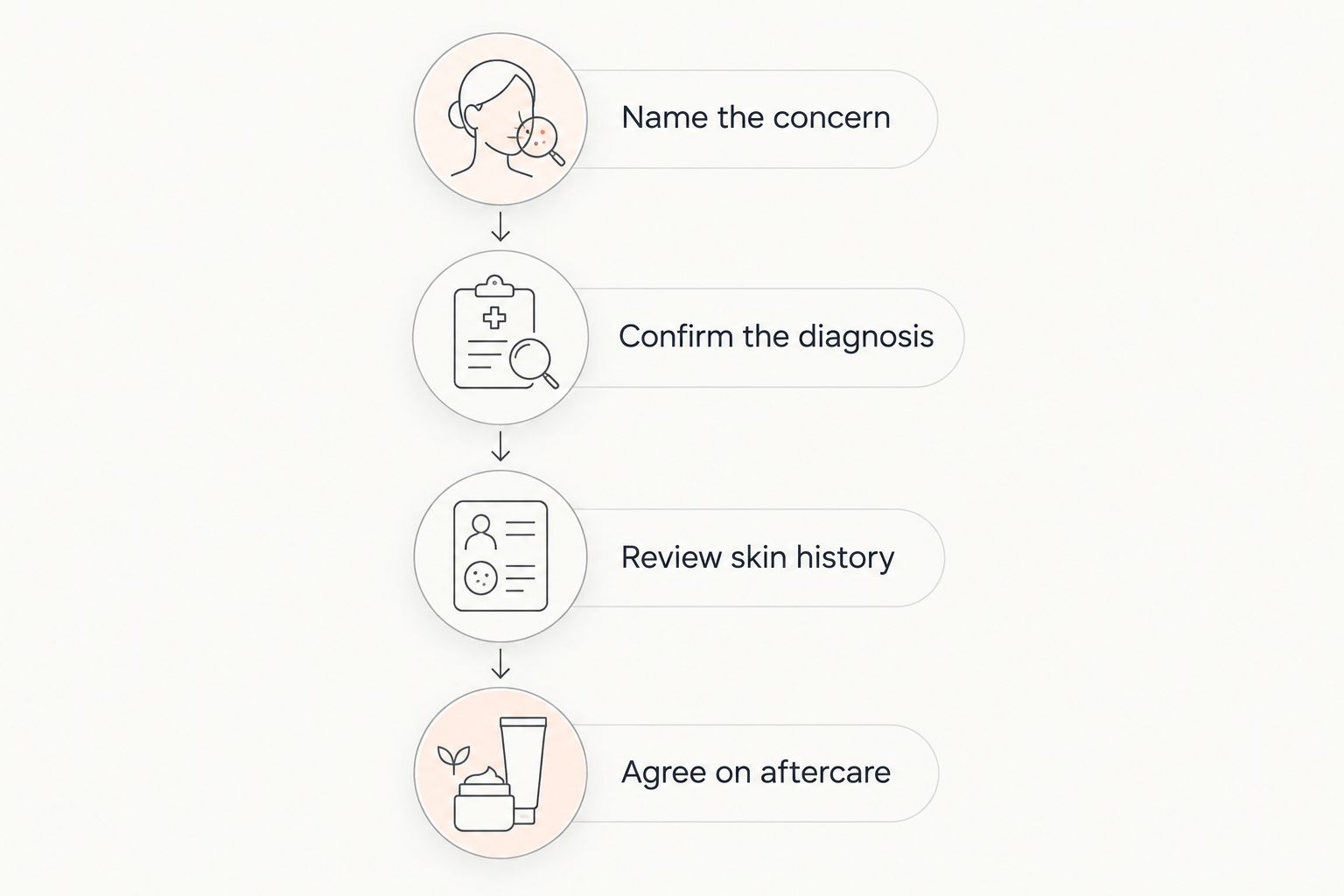
Start with the concern you want changed, then ask the provider to explain the diagnosis and treatment choice. Keep that sequence; starting with a device can steer the conversation away from whether it suits you.
- Name the concern: Identify whether color, redness, texture, or a particular lesion bothers you most.
- Confirm the diagnosis: Ask whether the area is a sunspot, melasma, a vascular concern, or something needing medical evaluation.
- Review skin history: Disclose tanning, medicines, previous reactions, cold sores, and prior procedures.
- Agree on aftercare: Request clear instructions for recovery, sun protection, follow-up, and warning signs.
Ammonite Laser Spa lists personalized laser skin rejuvenation and pigmentation treatments among its services. Ask which treatment is available and why it fits your concern; do not infer a specific laser platform from a general service description.
Explore personalized skin treatments
Review the studio's services before discussing your pigmentation or skin rejuvenation concerns.
Which treatment should you choose?
For texture-led sun damage, start by discussing non-ablative fractional treatment. For isolated brown spots, ask about lesion-specific pigment treatment; for mixed brown and red discoloration, ask whether IPL is suitable. Pronounced texture changes and vascular redness belong in separate CO2 and pulsed dye laser conversations.
For your 2026 plan, choose the diagnosis and recovery commitment before choosing the device. There is no single best laser for every combination of skin tone, pigment, redness, and texture.
FAQ
What's the best laser treatment for sun damage in NYC?
The best treatment depends on the diagnosed concern: non-ablative fractional lasers address texture, while pigment-targeting lasers address selected sunspots. IPL can address mixed brown and red discoloration but is not a laser.
Is IPL better than a fractional laser for sun damage?
IPL fits a different goal from fractional resurfacing. IPL targets selected discoloration and vessels, while fractional lasers are used for texture and other concerns depending on the wavelength and settings.
Can darker skin tones get laser treatment for sunspots?
Some laser treatments are suitable for darker skin tones, but treatment selection and settings require particular care. Ask about experience with your skin tone, pigment-change risks, and whether a test spot is appropriate.
Can laser treatment make melasma worse?
Laser and light treatments can worsen melasma or trigger post-inflammatory hyperpigmentation. Confirm the diagnosis before treating patchy pigmentation as ordinary sunspots.
How many appointments will I need for sun damage?
The number of appointments depends on the diagnosis, treatment category, settings, and response. Request an individualized plan rather than treating a standard package as a prediction of your results.
Can I have a sunspot removed without a skin check?
An unexplained, changing, bleeding, or otherwise suspicious spot needs medical assessment before cosmetic removal. Cosmetic treatment must not replace evaluation of a potentially concerning lesion.
Does Ammonite Laser Spa offer every treatment in this guide?
This guide does not establish that Ammonite Laser Spa offers every treatment category listed. The studio describes laser skin rejuvenation and pigmentation services; confirm the specific treatment and suitability directly.
One last thing
Clearing a brown spot does not erase its history of ultraviolet exposure or protect the surrounding skin. The American Academy of Dermatology recommends broad-spectrum, water-resistant SPF 30 or higher, alongside shade and protective clothing; follow your treating clinician's additional post-procedure instructions.
Before leaving any treatment discussion, ask for a plain-language explanation of what will not improve. A clear limit—brown spots but not redness, or texture but not every patch of pigment—is more useful than a promise of general rejuvenation.