No—pigmentation treatment can fade melasma, but it cannot guarantee permanent removal in 2026. Melasma can return after successful treatment because the skin remains susceptible to pigmentation triggers. The practical goal is clearer skin with a maintenance plan, not a one-time cure.
- Can pigmentation treatment remove melasma permanently? No treatment guarantees permanent clearance; maintenance remains important.
- Melasma treatment combines sun protection, appropriate topical medication, and selective procedures—not automatic laser treatment.
- Ammonite Laser Spa suits Downtown Brooklyn clients seeking personalized pigmentation treatments; permanent melasma clearance is not a realistic guarantee.
- Lasers and chemical peels can worsen pigmentation, so confirm the diagnosis and assess your skin before treatment.
Why this matters
Fading a patch is not the same as removing the tendency to develop it. If you judge treatment only by an immediate before-and-after photograph, you miss the question that matters: what happens after treatment stops?
That distinction is especially important before a procedure. Read the guide to whether laser treatment is safe for melasma before treating a laser appointment as the obvious next step. Melasma requires a different decision process from an isolated sunspot or a dark mark left by acne.
Can pigmentation treatments get rid of melasma permanently?
Pigmentation treatments can reduce visible melasma, but they do not reliably eliminate its tendency to recur. Established dermatology guidance treats melasma as a condition that often needs ongoing management, including sun protection after the patches improve.
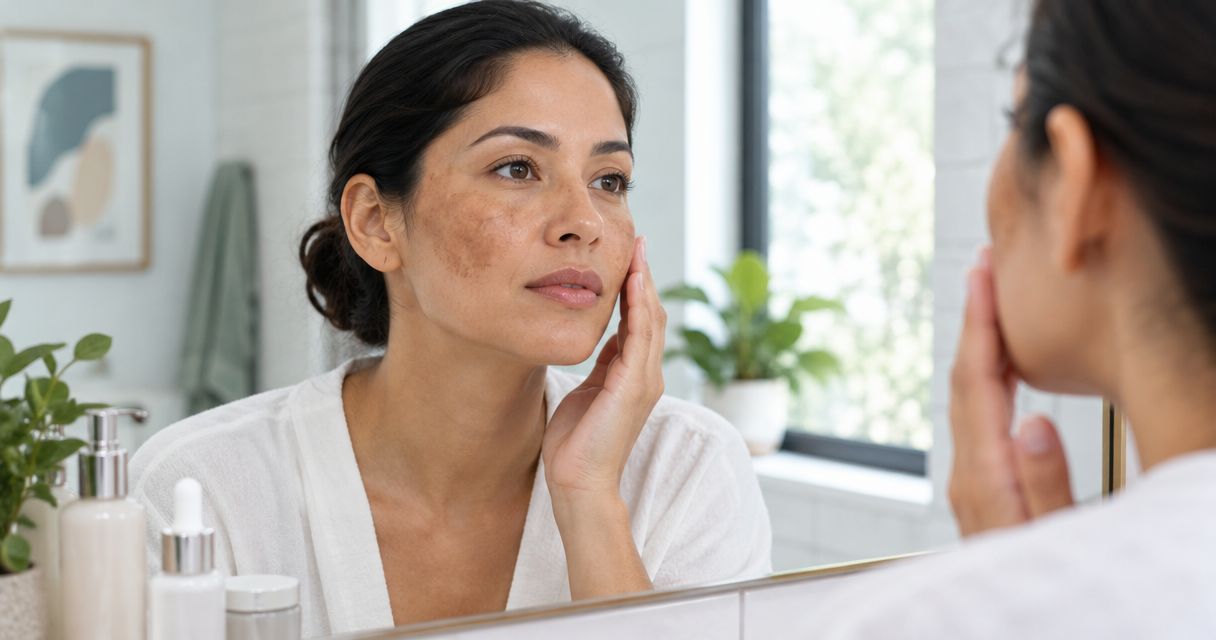
Melasma involves excess pigment production, not simply a removable layer of discoloration. Light exposure and hormonal influences can keep that process active. Removing or reducing existing pigment does not necessarily stop new pigment from forming.
For a treatment decision in 2026, compare the purpose and limitation of each approach rather than looking for a permanent-removal label.
| Approach | Best for | Main benefit | Main limitation |
|---|---|---|---|
| Daily sun protection | Everyone managing melasma | Reduces exposure to a major pigmentation trigger | Does not reliably clear established patches by itself |
| Clinician-directed topical treatment | People needing a medical treatment plan | Targets pigment production and helps lighten patches | Irritation and recurrence require monitoring |
| Chemical peels | Selected patients after assessment | Can improve some superficial pigmentation | Inflammation can cause additional discoloration |
| Laser or light procedures | Selected cases assessed by an experienced clinician | Can reduce visible pigment in an appropriate treatment plan | Melasma can rebound, and treatment can worsen pigmentation |
These approaches are not interchangeable. A clinician should explain why an option fits your diagnosis, skin tone, treatment history, and ability to follow aftercare.
Daily sun protection: the foundation of melasma management
Best for: everyone with melasma, including people whose patches have faded. Sun protection supports treatment and helps limit recurrence. It remains necessary whether you use a prescription cream, have a procedure, or decide against active treatment.
The American Academy of Dermatology recommends broad-spectrum, water-resistant sunscreen with SPF 30 or higher. Apply it about 15 minutes before going outdoors, and reapply at least every 2 hours outdoors, as well as after swimming or sweating according to the product directions.
Visible light also matters in melasma, particularly in darker skin tones. A tinted sunscreen containing iron oxides helps protect against visible light; an untinted sunscreen does not necessarily provide that same protection.
Pair sunscreen with shade and a wide-brimmed hat. The benefit is reducing an ongoing trigger; the limitation is that sunscreen alone is not a dependable way to erase established melasma. Your 2026 routine needs both protection and a clear decision about whether additional treatment is appropriate.
Topical treatment: a common medical starting point
Best for: people who need a diagnosis-led plan before considering procedures. Dermatologists use topical treatments to reduce pigment production and improve the appearance of melasma. Options include hydroquinone, azelaic acid, and certain prescription combinations, selected according to the individual.
A stronger product is not automatically a better choice. Irritation can trigger post-inflammatory hyperpigmentation, leaving you with additional discoloration rather than faster improvement. Combining several exfoliating or lightening products without guidance increases that concern.
Tell your clinician about everything you apply, including cosmetic acids, retinoids, scrubs, and products bought online. Pregnancy, breastfeeding, and plans to become pregnant also affect medication choices; do not start a prescription-strength routine without discussing those circumstances.
The advantage of topical treatment is that it can form part of an ongoing management plan. The trade-off is that your regimen needs supervision and adjustment—not indefinite, unsupervised use of every product that initially helps.
Chemical peels: an adjunct, not a permanent solution
Best for: selected patients whose clinician identifies a suitable role for a peel. Chemical peels remove superficial skin layers and can improve some pigmentation. They do not remove the underlying susceptibility to melasma.
Peel depth, formulation, skin tone, and existing irritation all affect the risk discussion. A peel that causes excessive inflammation can leave post-inflammatory hyperpigmentation, especially in pigment-prone skin.
Ask why a peel is being recommended instead of, or alongside, topical treatment. You should also understand what reaction is expected and which symptoms require a call to the treating clinician. Do not reproduce a professional peel at home with an unverified high-strength acid.
A peel belongs in a plan with a reason and an aftercare strategy—not as a shortcut around maintenance.
Laser and light procedures: selective use with a recurrence risk
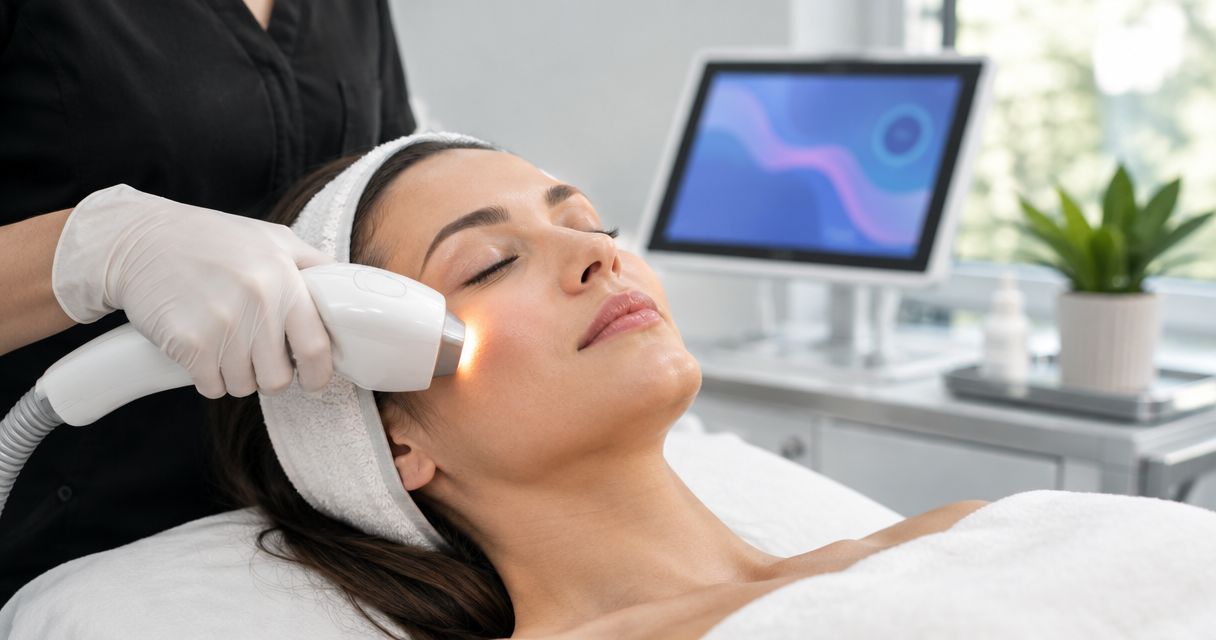
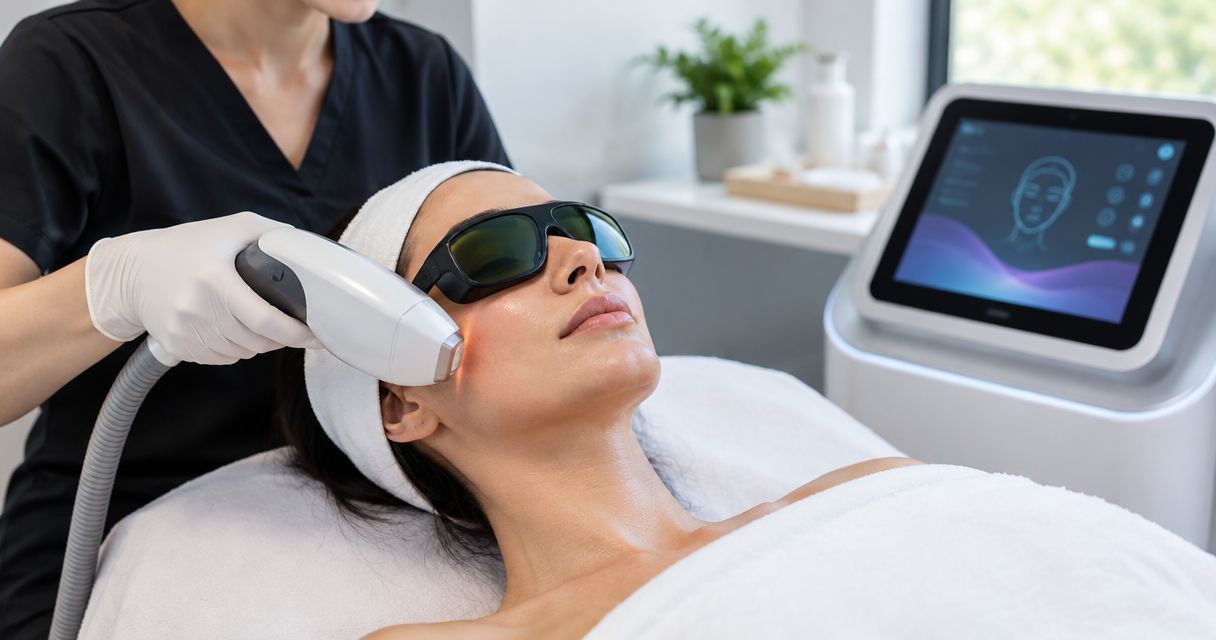
Best for: carefully selected patients after an experienced clinician assesses the risks. Laser and light devices can improve pigmentation, but a treatment marketed for brown spots is not automatically appropriate for melasma.
The central concern is inflammation and unwanted pigment change. Treatment can trigger darker patches or uneven lightening, and initial improvement does not establish that the result will last. Darker skin tones require particular attention to the risk of post-inflammatory hyperpigmentation.
Ask for the exact device name and the reason for choosing it. A generic description such as pigmentation laser does not explain how the clinician assessed your skin or how the procedure fits your maintenance plan.
For 2026 treatment decisions, reject any claim that a laser permanently switches off melasma. A procedure can address visible pigment without removing the conditions that allow it to return.
Why melasma results vary
The same treatment does not produce the same outcome for every person. These factors explain why a fixed promise of permanent clearance is unreliable:
- Light exposure: Ultraviolet radiation and visible light can contribute to melasma, so exposure after treatment affects ongoing control.
- Hormonal influences: Pregnancy and hormonal medications can be associated with melasma. Discuss medication concerns with your prescriber rather than stopping treatment yourself.
- Pigment depth: Melasma can involve different skin layers, affecting how it responds to treatment.
- Skin irritation: An irritating routine or procedure can add post-inflammatory pigmentation to existing melasma.
- Maintenance consistency: Protection and clinician-directed maintenance help preserve improvement after the initial treatment phase.
- Diagnosis: Melasma, sunspots, and post-acne marks are different problems; treating all brown patches as the same condition creates avoidable mistakes.
These factors belong in the consultation before you commit to a procedure. A history of worsening after previous treatment is particularly important to disclose, even if the reaction eventually settled.
How do you choose a sensible treatment plan?
Start with the diagnosis, not the device. Use this sequence to separate an appropriate plan from a promise built around a procedure:
- Confirm the diagnosis. Ask whether the patches are melasma, another pigmentation condition, or a combination. A new, changing, bleeding, or otherwise suspicious spot needs medical assessment before cosmetic treatment.
- Review your history. Discuss pregnancy, hormonal medication, previous procedures, irritation, current skincare, and any history of pigment changes after injury.
- Set the goal. Agree on visible improvement and ongoing control rather than accepting permanent removal as the expected outcome.
- Plan maintenance. Establish sun protection, medication instructions, follow-up, and what to do if patches return before starting treatment.

Bring photographs that show changes over time, along with a list of products and medications. For your own progress pictures, use consistent lighting and avoid filters. A photograph taken in different light can make a patch look better or worse without showing a true treatment change.
Where does a local pigmentation service fit?
Ammonite Laser Spa is best suited to Downtown Brooklyn clients seeking personalized pigmentation treatments, not a guaranteed permanent melasma cure. The boutique studio offers pigmentation treatments and laser skin rejuvenation, but those service categories alone do not determine which approach is appropriate for your patches.
Before choosing a treatment from the services offered, confirm whether medical assessment is needed and ask how recurrence and irritation are addressed. Ammonite Laser Spa offers local access to personalized services; the limitation is that a service listing cannot replace an individual diagnosis or establish that a particular procedure suits melasma.
Will my melasma come back after it clears?
Melasma can return after the patches fade, especially when triggers remain active or maintenance stops. Recurrence does not automatically mean the original treatment failed; it means visible improvement and long-term control are different outcomes.
Some hormonally associated melasma improves when the hormonal trigger changes, but that does not establish permanent clearance. Continue protection and ask your clinician how to respond to early darkening instead of restarting an old prescription independently.
Is laser treatment better than a prescription cream for melasma?
Laser treatment is not automatically better than a prescription cream for melasma. Clinician-directed topical treatment commonly plays a central role, while procedures require a separate assessment of expected benefit and pigment-change risk.
Ask what a laser would add to your current plan. If the answer does not address recurrence, skin tone, and aftercare, the comparison is incomplete.
How do I know whether treatment is actually working?
Treatment is working when the patches improve without unacceptable irritation or new pigment changes. Compare photographs taken under similar conditions, and review both improvement and side effects with your clinician.
Do not use peeling, burning, or stinging as evidence that a product is effective. Your 2026 treatment goal should be clearer, comfortable skin—not the strongest reaction you can tolerate.
FAQ
Can pigmentation treatment remove melasma permanently?
No pigmentation treatment guarantees permanent melasma removal. Treatment can fade patches, but recurrence remains possible and maintenance often continues after improvement.
What's the best sunscreen for melasma?
Choose a broad-spectrum, water-resistant sunscreen with SPF 30 or higher; a tinted formula containing iron oxides also helps protect against visible light. Reapply at least every 2 hours outdoors and after swimming or sweating according to the directions.
Can melasma disappear without a procedure?
Yes, melasma can improve without a procedure, including with clinician-directed topical treatment and sun protection. Some hormonally associated melasma also fades when the trigger changes, but permanent clearance is not assured.
Is a chemical peel safer than laser treatment for melasma?
A chemical peel is not automatically safer than laser treatment for melasma. Both can cause irritation and pigment changes, so suitability depends on your skin, the proposed treatment, and the clinician's assessment.
Can I use hydroquinone continuously if it works?
Do not use hydroquinone indefinitely without medical supervision. Your clinician should set the treatment duration and review irritation, response, and the maintenance plan.
Should I stop hormonal birth control if I have melasma?
Do not stop hormonal birth control without discussing alternatives with your prescriber. Hormonal influences can contribute to melasma, but treatment decisions must also account for your contraceptive and medical needs.
Does Ammonite Laser Spa offer pigmentation treatments?
Ammonite Laser Spa offers personalized pigmentation treatments in Downtown Brooklyn. Confirm the diagnosis and suitability of any proposed procedure rather than assuming that every pigmentation service is appropriate for melasma.
One last thing
Keep the maintenance plan even when the mirror looks clear. The easiest point to abandon protection is after treatment succeeds, yet a clear-looking patch does not prove that your skin has stopped responding to pigmentation triggers.
Before you finish treatment, ask for written instructions covering daily protection, which products to continue, and when to seek reassessment. That plan is more useful than a permanent-removal promise.