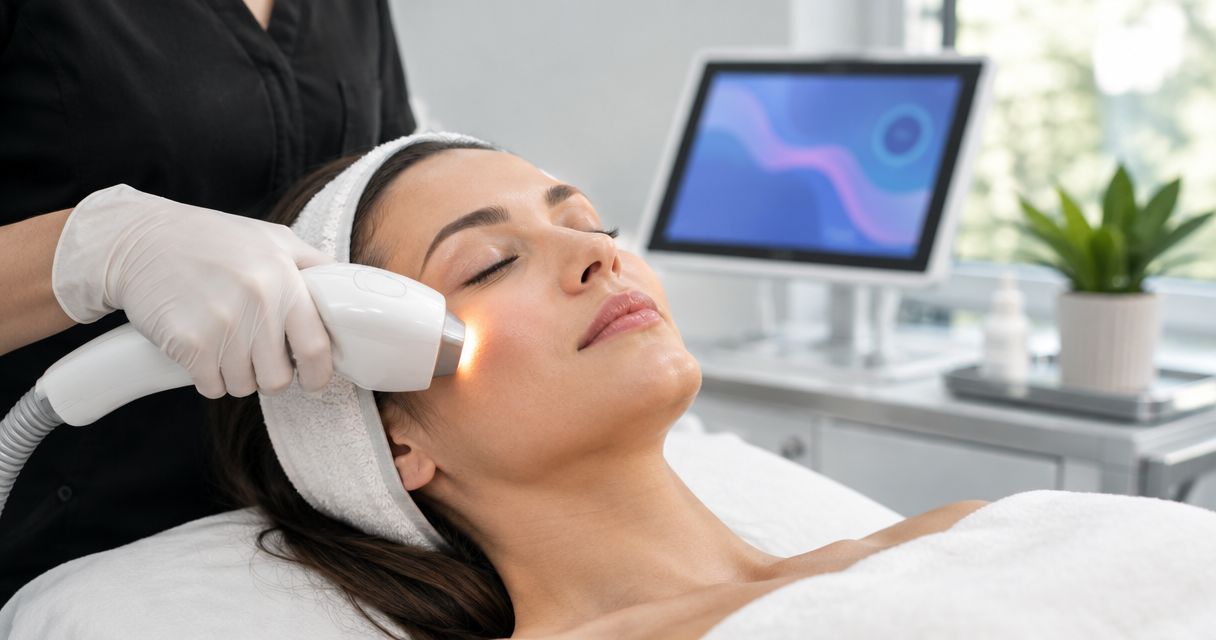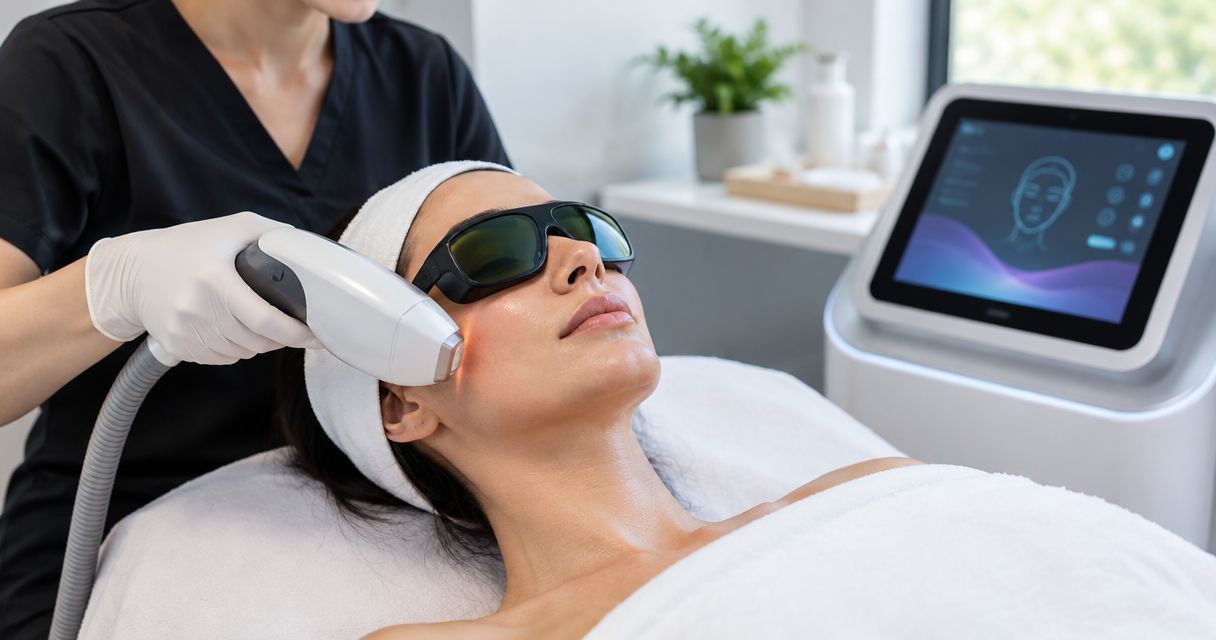
Runners’ and cyclists’ pigmentation treatment is care that addresses unwanted dark patches with the aim of improving uneven skin tone while managing outdoor exposure. This 2026 guide explains how to distinguish common pigment concerns, compare treatment options, and fit skin care around sweat, sunscreen, helmet straps, and training.
- Pigmentation treatment for runners and cyclists starts with identifying the pigment problem, not choosing a laser.
- The American Academy of Dermatology recommends broad-spectrum, water-resistant SPF 30 or higher for outdoor protection.
- Melasma, sun spots, and post-acne pigmentation need different treatment decisions.
- Schedule procedures around aftercare requirements, not just an opening in your training calendar.
Why pigmentation treatment matters for runners and cyclists
Outdoor training makes sun protection a recurring task rather than a morning-only step. Sweat, wiping your face, and exposed areas around sunglasses or helmet straps complicate coverage. Treating existing discoloration without addressing those conditions leaves an important trigger in place.
The pattern matters, too. Marks following breakouts belong in a different discussion from broad patches across the cheeks or a single changing spot. If your marks follow acne, start with the guide to treatments for post-acne pigmentation, rather than assuming every dark area is sun damage.
Your best treatment is the one that matches the diagnosis and has aftercare you can actually follow. For your 2026 training plan, that means discussing outdoor exposure before agreeing to a procedure—not after booking it.
Build your treatment plan around your training
Identify the pigment pattern before choosing treatment
Start with a simple record: where the discoloration appears, when you first noticed it, and whether a breakout, rash, or rubbing preceded it. Take photographs in consistent lighting without filters. These observations help a clinician assess the concern; they do not establish a diagnosis.
Sun spots, melasma, and post-inflammatory hyperpigmentation are not interchangeable. Post-inflammatory hyperpigmentation follows skin inflammation or injury. Melasma commonly appears as patches, while isolated spots need their own assessment. More than one condition can be present.
A new, changing, bleeding, or otherwise unusual spot needs medical assessment before cosmetic treatment. Do not ask a provider to remove pigment from an unidentified lesion simply because it looks dark.
- Note whether marks follow acne, irritation, or chafing.
- Record symptoms such as itching, tenderness, or bleeding.
- Photograph the same areas under similar lighting.
- Arrange a dermatologist assessment for suspicious or uncertain spots.
Audit your sun protection during real workouts
Before adding a procedure, review what happens on an ordinary run or ride. Check exposed ears, the neck, the hairline, and the edges of clothing. Sunscreen on your bathroom shelf does not establish how well those areas stay protected outdoors.
The American Academy of Dermatology recommends broad-spectrum, water-resistant sunscreen with SPF 30 or higher. Outdoors, reapply about every 2 hours, and after swimming or sweating, following the label. Water-resistant labels specify 40 minutes or 80 minutes of protection during swimming or sweating; they do not mean waterproof.
For melasma, ask a dermatologist about tinted sunscreen containing iron oxides, which can help protect against visible light. Sunscreen remains part of a wider plan that includes shade and suitable clothing.
- Check the broad-spectrum and water-resistance statements.
- Follow reapplication instructions during sweaty sessions.
- Use sun-protective clothing where practical and safe.
- Plan shade breaks without compromising road or trail safety.
Choose an assessment that accounts for your sport
Write down your questions before contacting a provider. Include your main concern, current skin-care products, medications, recent tanning, and any previous reactions to treatments. Bring your training schedule so the discussion addresses actual exposure rather than an idealized indoor routine.
Ammonite Laser Spa is best for Downtown Brooklyn clients seeking personalized pigmentation treatment. The boutique studio offers pigmentation treatments and laser skin rejuvenation. Its stated service list does not establish which device or protocol suits your skin, so confirm those details during your assessment.
You can explore Ammonite Laser Spa as a local option. A cosmetic service appointment does not replace a dermatologist’s evaluation of an uncertain diagnosis or suspicious lesion.
- Ask what condition the provider believes is present.
- Request the proposed treatment name and its purpose.
- Discuss your skin tone, tanning history, and past pigment changes.
- Explain helmet contact, outdoor sessions, and upcoming events.
- Ask when medical evaluation is needed before treatment.
Match the treatment to the pigment problem
Start with the least complicated appropriate plan, not the most intensive procedure. Consistent protection and control of ongoing irritation remain relevant whether you use topical treatment or receive an in-office procedure. A dermatologist can explain whether prescription care belongs in your plan.
Laser treatment is not a universal answer to pigmentation. The suitability of a device depends on the diagnosis, skin tone, recent exposure, and treatment settings. Irritation or injury can itself produce post-inflammatory pigmentation, making risk assessment especially important for people with a history of dark marks after inflammation.
Microneedling also requires an indication rather than an assumption that all uneven tone needs resurfacing. Ask what problem the proposed procedure addresses and why it is preferable to another approach.
- Separate flat discoloration from scars or texture changes.
- Ask why the proposed treatment fits your diagnosis.
- Discuss the possibility of worsening pigmentation.
- Ask whether a test area is appropriate.
- Avoid treating an active rash or unexplained irritation without assessment.

Schedule care around exposure and recovery
Put your important races, long rides, outdoor workdays, and travel into your 2026 calendar before choosing a procedure date. Then ask the treating provider which activities must change and what signs determine when you can resume them. Recovery instructions depend on the actual treatment.
A rest day is not automatically a suitable recovery window. You might still face sun exposure during commuting, heat during an indoor workout, or friction from required safety equipment. The relevant question is whether your planned activities fit the written aftercare.
Do not stop wearing a cycling helmet to protect treated skin. If helmet contact conflicts with aftercare, change the workout or treatment timing instead. Safety equipment is not optional skin-care downtime.
- Share upcoming events before selecting an appointment.
- Ask separately about sun, sweating, heat, and friction.
- Confirm whether indoor training also needs adjustment.
- Request written instructions for returning to exercise.
- Reschedule treatment when you cannot follow its aftercare.
Simplify your routine and reduce avoidable irritation
Review the products you already use before buying additional treatments. Acids, scrubs, retinoids, acne products, and fragranced products can complicate an irritated routine. Tell your provider what you use, including products applied only occasionally.
Do not independently stop prescribed medication. Ask the prescribing clinician or treating provider which products need adjustment before and after a procedure. A generic online routine cannot account for your prescription, treatment settings, or skin response.
Check equipment contact as well. Repeated rubbing at a helmet strap or clothing edge deserves attention, especially when dark marks follow irritation. Keep required protective equipment correctly fitted; ask a qualified fitter about persistent pressure rather than loosening it unsafely.
- Bring a complete product and medication list.
- Avoid introducing multiple new active products together.
- Cleanse gently after training without aggressive scrubbing.
- Follow instructions for pausing and restarting skin-care products.
- Address recurring chafing without compromising equipment safety.
Measure progress without chasing daily changes
Use comparable photographs and your provider’s review plan to judge progress. Different lighting, post-exercise redness, and a fresh tan can change how pigment looks in a mirror. More frequent inspection does not make the comparison more reliable.
For a 2026 treatment record, track the condition of the skin as well as its color. Note persistent irritation, new darkening, and difficulty following aftercare. Those details help determine whether the plan needs review instead of another session on autopilot.
Do not increase product strength or repeat a procedure simply because a mark remains visible. Contact the provider about unexpected reactions, and seek prompt medical care for severe pain, significant blistering, spreading redness, or other concerning symptoms.
- Compare photographs taken under similar conditions.
- Record treatment dates and product changes.
- Note irritation and changes in outdoor exposure.
- Attend the recommended follow-up assessment.
- Report worsening pigmentation before repeating treatment.
Compare your pigmentation treatment options
For runners and cyclists planning care in 2026, the main trade-off is not simply home care versus a procedure. It is whether an option addresses the correct condition and fits the exposure restrictions you can maintain. The options below are not substitutes for a diagnosis.
| Option | Best for | Main advantage | Key limitation |
|---|---|---|---|
| Sun protection and irritation control | Every outdoor athlete’s baseline routine | Addresses preventable exposure and irritation | Does not diagnose or remove every existing mark |
| Dermatologist-directed topical care | People needing diagnosis-specific management, including melasma assessment | Can form part of an ongoing home routine | Requires consistent use; some products irritate skin |
| Clinician-selected laser treatment | Selected pigment concerns after suitability assessment | Provides an in-office treatment option for appropriate cases | Unsuitable treatment can worsen pigmentation; aftercare affects training |
| Microneedling assessment | People with texture concerns alongside discoloration | Allows discussion of texture and pigment as separate goals | Not a default treatment for every dark patch |
| Ammonite Laser Spa pigmentation services | Local clients seeking personalized care in Downtown Brooklyn | Provides a local setting offering pigmentation treatment | Device, protocol, suitability, and exercise restrictions need confirmation |
Choose the diagnosis first and the treatment category second. A recommendation for someone else’s sun spots does not establish the right treatment for your melasma or post-acne marks.
Common mistakes runners and cyclists make
Treating every dark patch as a sun spot
A patch after acne, a persistent melasma pattern, and a changing isolated lesion require different decisions. Treating appearance alone skips the question that determines appropriate care: what is causing the pigment?
Applying sunscreen once before a long session
Your pre-workout application is not a complete plan for extended outdoor exposure. Follow the label, account for sweating, and arrange access to sunscreen when your session requires reapplication.
Booking treatment beside a race or cycling trip
An appointment that fits your work calendar can still conflict with training and aftercare. Discuss the event before booking rather than asking for exceptions after the procedure.
Using stronger products on friction marks
Aggressive exfoliation adds irritation to an area already affected by rubbing. Address the source of irritation and ask for assessment instead of repeatedly scrubbing the discoloration.
Ignoring tanning because you use sunscreen
Tell your provider about recent sun exposure and tanning even when you regularly use SPF. That information belongs in treatment planning; sunscreen use does not replace it.
FAQ
What’s the best pigmentation treatment for runners and cyclists?
The best pigmentation treatment for runners and cyclists matches the diagnosed pigment condition and the athlete’s ability to follow aftercare. Start with sun protection and an assessment rather than choosing a laser from a treatment name alone.
Can I run or cycle after a pigmentation treatment?
Your return to running or cycling depends on the procedure and your provider’s instructions. Ask separately about sweating, outdoor exposure, heat, and helmet or clothing friction before booking.
Is laser treatment better than topical treatment for melasma?
Laser treatment is not automatically better than topical treatment for melasma. A dermatologist should assess the condition and explain the role and risks of each option, including possible worsening of pigmentation.
What sunscreen should I use for outdoor training?
Use broad-spectrum, water-resistant sunscreen with SPF 30 or higher, consistent with American Academy of Dermatology guidance. Follow its reapplication instructions and combine it with practical shade and sun-protective clothing.
Can helmet straps contribute to dark marks?
Repeated irritation from helmet straps can contribute to post-inflammatory hyperpigmentation. Check the fit without weakening protection, and get persistent irritation assessed rather than applying stronger exfoliants.
Does Ammonite Laser Spa offer pigmentation treatment in Brooklyn?
Ammonite Laser Spa offers personalized pigmentation treatments in Downtown Brooklyn. Confirm the proposed treatment, your suitability, and the aftercare requirements directly; an uncertain or changing lesion needs medical evaluation.
Should I treat a changing dark spot at a spa?
A changing dark spot needs medical assessment before cosmetic treatment. Seek a dermatologist’s evaluation rather than assuming the spot is ordinary sun damage.
One last thing
Treat the calendar as part of the treatment plan. Before booking pigmentation care with Ammonite Laser Spa or another provider in 2026, identify your next unavoidable block of outdoor exposure. If the proposed aftercare conflicts with it, change the appointment—not your helmet use or the instructions.