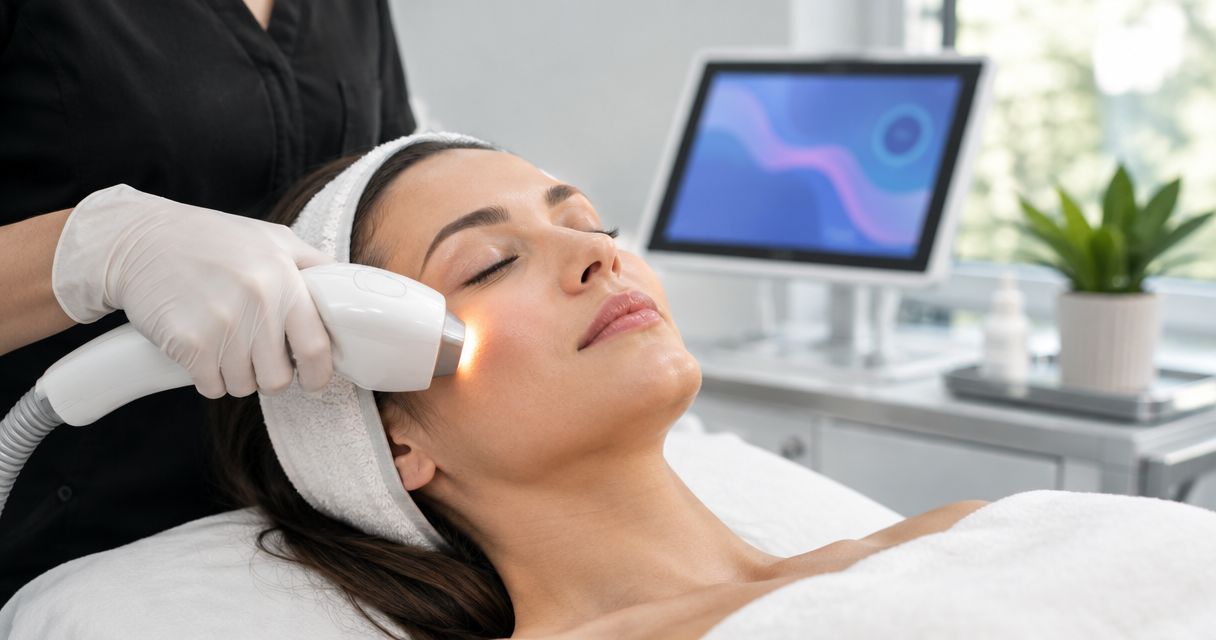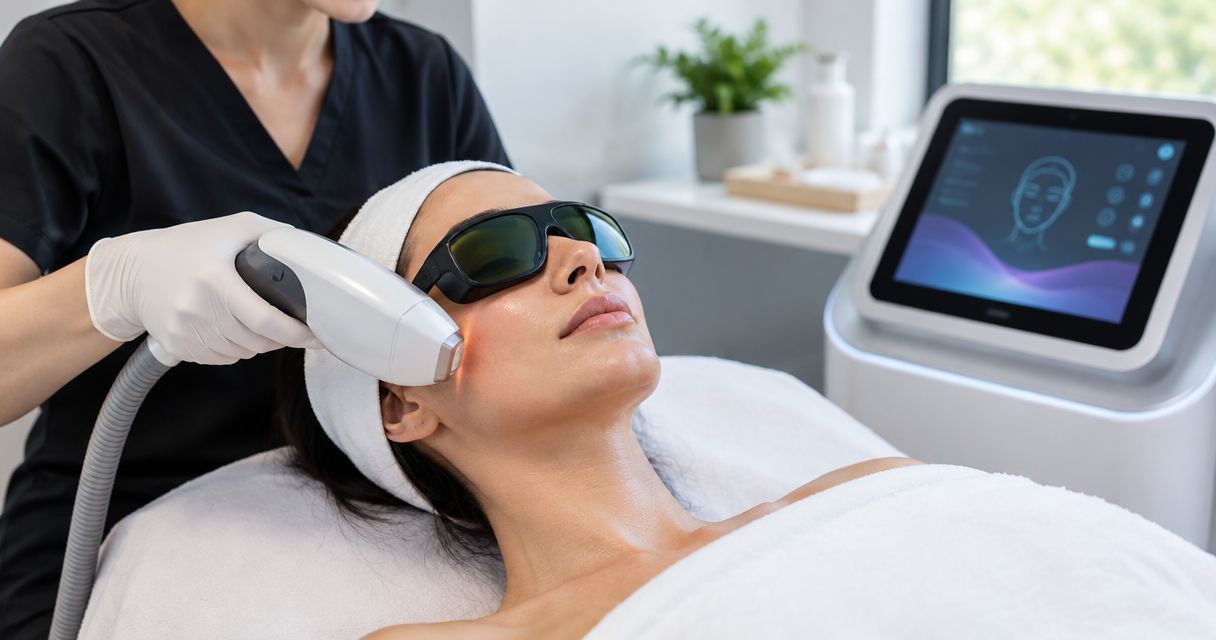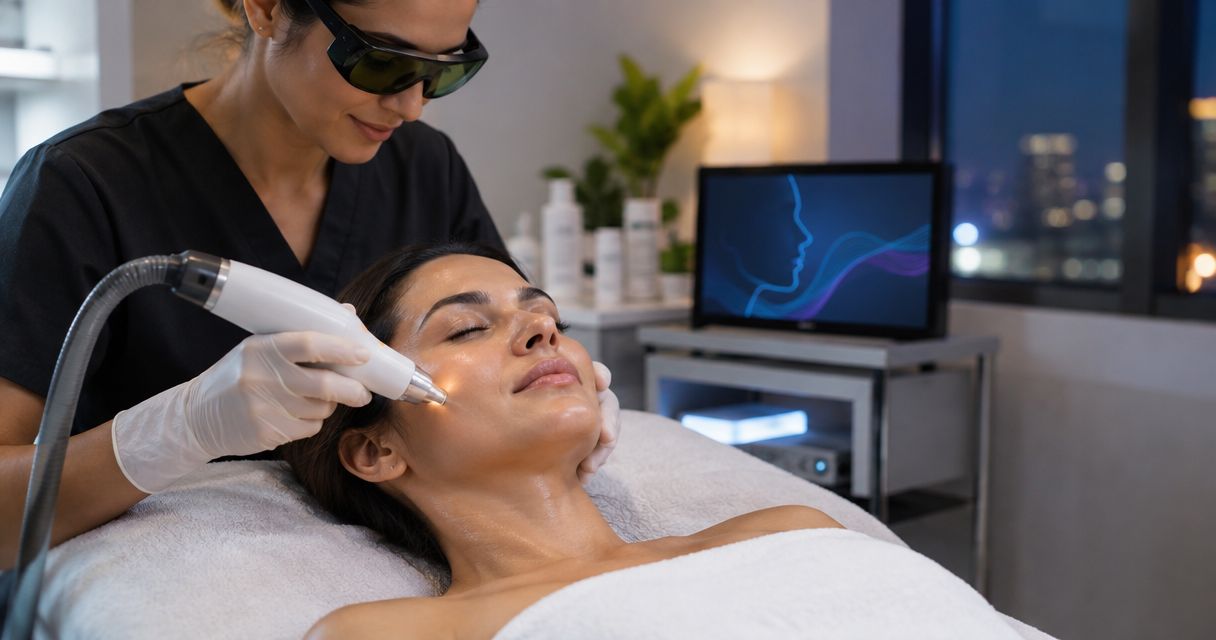
Night-shift workers’ laser skin rejuvenation is light-based treatment aimed at improving selected skin concerns while fitting recovery around overnight work and daytime sleep. This 2026 guide explains how to choose an appropriate treatment, protect your morning commute, and schedule aftercare without treating a night off as a guaranteed recovery window.
- Laser skin rejuvenation for night shift workers requires treatment-specific recovery planning, not just an appointment outside working hours.
- Ammonite Laser Spa suits Downtown Brooklyn clients seeking personalized, non-invasive skin treatments.
- Match treatment to pigmentation, texture, or fine lines before comparing downtime.
- Plan sun protection for the morning commute and protect your daytime sleep.
Why laser skin rejuvenation matters for night-shift workers
Your work schedule changes recovery logistics, not the diagnosis your skin needs. A morning appointment can fall directly before your main sleep period, while an evening appointment can put freshly treated skin straight into a warm, physically demanding workplace.
For local treatment options, Ammonite Laser Spa offers personalized laser skin rejuvenation and other non-invasive skin treatments in Downtown Brooklyn. Choose the treatment around your concern and medical suitability first; then fit the appointment around your shifts.
Night work does not establish that you need a laser, and tired-looking skin is not a diagnosis. Pigmentation, acne scars, fine lines, and temporary dryness need different assessments. A procedure aimed at the wrong problem adds recovery demands without addressing your priority.
For your 2026 treatment plan, map the hours after the appointment as carefully as the appointment itself. Daylight travel, workplace heat, tight protective equipment, and access to gentle cleansing all belong in that decision.
How to plan treatment around overnight work
1. Define the skin concern before choosing a procedure
Start manually: write down the change you want to see and photograph the area in consistent lighting. Separate brown marks from indented scars, active breakouts from old discoloration, and dryness from persistent texture changes. These descriptions help a qualified treating clinician assess the right approach.
Laser skin rejuvenation is an umbrella term, not one standardized procedure. Different devices and settings target different structures, and treatments differ in recovery requirements. Do not select a procedure solely because someone describes it as a lunchtime treatment.
An enlarging, bleeding, or otherwise changing spot needs medical assessment rather than a cosmetic treatment recommendation. Bring concerns about unexplained changes to a dermatologist before booking rejuvenation.
- Name your main concern: discoloration, texture, scars, or fine lines.
- Photograph the area without filters or changing the lighting.
- List previous treatments and any reactions afterward.
- Separate cosmetic goals from symptoms needing medical assessment.
2. Map your shift cycle and recovery conditions
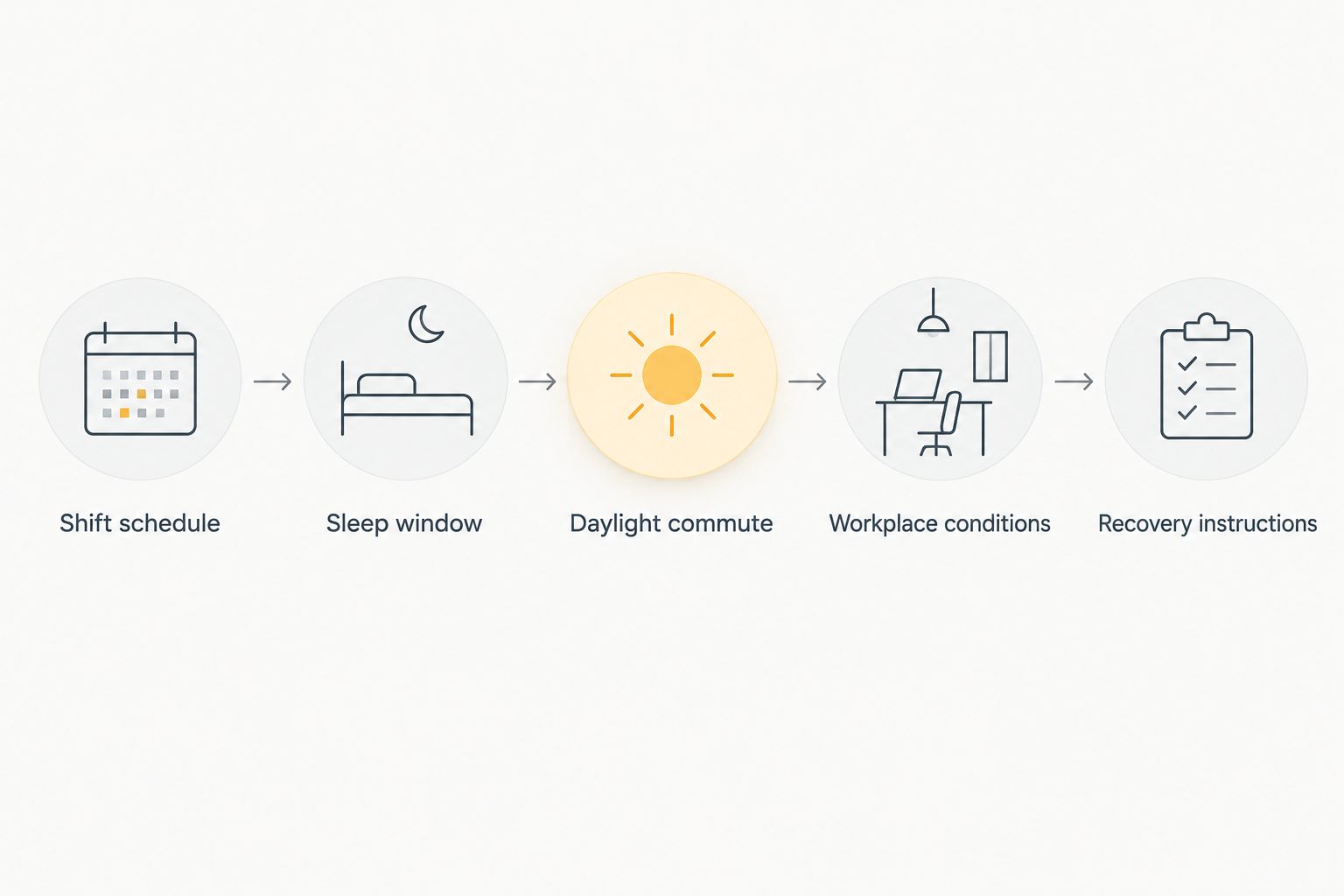
Use your calendar before contacting a provider. Mark your final shift before treatment, your next shift, your main sleep period, and every daylight journey between them. A gap between shifts is useful only if it also accommodates the specific aftercare instructions.
Check your working conditions, not just your job title. Kitchen heat, physical exertion, outdoor duties, and equipment touching the face create different practical constraints. Ask whether the recommended procedure fits those conditions rather than assuming every non-invasive treatment fits every workplace.
Plan across your next 2 shifts as a scheduling exercise, not as a promised recovery period. Some procedures require a longer adjustment. In 2026, the useful scheduling question remains: what must your skin tolerate before the next opportunity to rest?
- Shift schedule: record when you must return to work.
- Sleep window: protect your main uninterrupted rest period.
- Daylight commute: note outdoor walking and waiting time.
- Workplace conditions: list heat, sweat, friction, and face coverings.
- Recovery instructions: compare restrictions with actual duties.
3. Bring your skin history to a personalized assessment
Prepare a written list of medications, supplements, skincare products, previous procedures, and relevant medical history. Include recent tanning, a tendency to develop dark marks after irritation, cold sores, and any history of unusual scarring. Do not stop prescribed medication yourself to make an appointment fit.
A personalized assessment is the next step when your calendar and skin goals are clear. Ammonite Laser Spa offers personalized laser skin rejuvenation, but the service name alone does not establish which device, settings, or recovery requirements suit you. Ask for those details before agreeing to treatment.
For night workers, distinguish symptoms that happen after every shift from a persistent skin concern. Tell the provider if your face becomes irritated beneath required equipment or if your current routine already stings. Those details belong in treatment planning.
- Bring your complete medication and skincare lists.
- Describe previous pigmentation changes and healing problems.
- Disclose recent tanning and planned sun exposure.
- Explain required masks, eyewear, or other facial equipment.
- Request a clear explanation of suitability and alternatives.
4. Match treatment intensity to your real recovery window
Ask for the exact procedure name and whether it is ablative or non-ablative. Ablative laser resurfacing removes skin tissue; non-ablative approaches treat without removing the skin surface in the same way. Neither label alone supplies a reliable return-to-work date.
Request separate guidance on visible redness, skin care, exercise, heat exposure, and workplace friction. Being comfortable enough to answer emails is not the same as being ready for a hot kitchen or a physically demanding overnight shift. Return-to-work advice must describe your duties, not an abstract office job.
If your 2026 rota cannot accommodate the recommended restrictions, change the timing or discuss another approach. Do not ask a provider to compress recovery into a predetermined gap. The guide to facial treatments ranked by downtime provides another way to organize that discussion.
- Ask which procedure and treatment area are proposed.
- Request written restrictions rather than a downtime slogan.
- Describe the most demanding part of your next shift.
- Confirm when usual skincare and makeup can resume.
- Reschedule when required aftercare conflicts with work.
5. Prepare sun protection and a simple aftercare routine
Start with what you can organize yourself: a gentle routine, clean hands, and a route home that limits unnecessary sun exposure. Morning daylight still matters when your working day has ended. Working indoors overnight does not cancel exposure on the journey home.
For general sun protection, the American Academy of Dermatology recommends broad-spectrum, water-resistant sunscreen with SPF 30 or higher. Following a procedure, ask when sunscreen can be applied and which formulation suits the treated skin; some treatments require specific wound care first. Use shade and other physical protection as instructed.
Do not assume your normal exfoliating routine belongs in post-treatment care. Ask when to pause and restart retinoids, acids, scrubs, and other potentially irritating products. Keep written instructions where you can find them after a tiring shift.
- Arrange shade and suitable physical sun protection.
- Confirm when sunscreen is appropriate after treatment.
- Set aside the cleanser and moisturizer your provider recommends.
- Follow instructions on heat, exercise, makeup, and exfoliation.
- Keep the provider’s aftercare and contact details accessible.
6. Track healing separately from cosmetic results
Use a simple note on your phone to record symptoms, skincare, and work exposures. Photograph changes under similar lighting rather than checking your face repeatedly under different workplace mirrors. Early redness or swelling is not a reliable measure of the final cosmetic result.
Ask the treating provider when results should be reviewed for your specific procedure. Avoid booking additional treatments just because the first few days do not show the change you expected. Treatment spacing and reassessment belong in the clinical plan, not in a generic night-shift schedule.
Get prompt advice for worsening pain, blistering, drainage, or spreading redness. Seek urgent medical care for eye pain or vision changes. A night worker needs a clear contact plan that still works outside the studio’s opening hours.
- Record symptoms and follow the supplied aftercare instructions.
- Take comparison photographs in consistent lighting.
- Ask when healing and results should each be reviewed.
- Confirm whom to contact outside normal opening hours.
- Report concerning changes instead of covering them with makeup.
Compare options against your skin concern and schedule
Ammonite Laser Spa is best suited to Downtown Brooklyn clients seeking personalized, non-invasive skin treatments. That local fit does not establish which procedure is right for an individual night worker. The studio offers laser skin rejuvenation, microneedling, and acne and pigmentation treatments; suitability still requires assessment.
Use this comparison to frame questions, not to select a device without an examination. The starting point is your concern; the deciding constraint is whether you can follow the specific treatment plan.
| Option | Best for | Main advantage | Key limitation |
|---|---|---|---|
| Non-ablative laser treatment | Selected concerns suited to a non-ablative approach | Treats targeted skin structures without ablative resurfacing | Redness, swelling, pigment changes, and activity restrictions remain possible |
| Ablative laser resurfacing | Selected resurfacing concerns after medical assessment | Removes tissue as part of resurfacing | Requires more involved healing and is not interchangeable with non-invasive services |
| Microneedling | Selected texture and acne-scar concerns | Offers a non-laser approach | Still involves skin injury, aftercare, and assessment of suitability |
| Targeted skincare | Concerns suited to topical management | Fits into a routine without procedural recovery | Does not reproduce every effect of an in-office procedure and can cause irritation |
| Delaying a procedure | Workers unable to follow aftercare during their current rota | Avoids a conflict between treatment restrictions and work | Postpones the cosmetic goal |
Non-invasive does not mean risk-free, and an alternative is not automatically gentler for your skin. For a 2026 decision, compare the proposed procedure’s benefits, risks, and practical restrictions with your actual duties rather than treating the shortest advertised downtime as the winner.
Common mistakes night-shift workers make
Booking immediately after a difficult shift
A convenient morning slot can conflict with your main sleep period and make aftercare harder to organize. Choose a time when you can absorb instructions and follow the care plan, not simply the first opening after work.
Counting darkness at work as sun protection
Your overnight hours say nothing about the daylight journey home. Include walking, waiting outdoors, and daytime errands when you discuss exposure with the provider.
Treating temporary tiredness as a laser indication
A fatigued appearance does not identify a target for laser treatment. Explain the persistent change you want addressed; do not assume rejuvenation can compensate for a disrupted sleep schedule.
Hiding workplace restrictions during the assessment
Required equipment, heat, sweating, and physical duties are treatment-planning details. Share them before treatment instead of discovering afterward that the instructions conflict with your next shift.
Restarting strong skincare to speed results
More exfoliation is not a shortcut through healing. Follow the restart schedule for active ingredients and contact the treating provider if the routine causes irritation.
FAQ
Can I get laser skin rejuvenation if I work night shifts?
Night-shift work alone does not determine whether laser skin rejuvenation is suitable. Your skin concern, medical history, proposed procedure, and ability to follow aftercare determine the plan.
Is it better to book laser treatment before or after a night shift?
Book around the procedure’s recovery requirements and your main sleep period, not simply before or after work. Tell the provider about your commute, physical duties, and required facial equipment before choosing the appointment.
Can I return to work the same night after laser skin rejuvenation?
There is no universal same-night return-to-work rule for laser skin rejuvenation. Obtain advice for the exact procedure and describe heat, sweating, friction, and other demands of your shift.
Do I need sun protection if I only travel home in the morning?
Yes, a morning commute still involves potential sun exposure. Ask how to protect recently treated skin and when sunscreen can be applied under your procedure-specific aftercare instructions.
Is microneedling better than laser for night-shift workers?
Microneedling is not automatically better than laser treatment for night-shift workers. The appropriate option depends on the skin concern, individual suitability, expected benefit, and recovery requirements.
Can laser treatment fix skin that looks tired after overnight work?
Laser treatment targets selected skin concerns, not the work schedule itself. Describe persistent pigmentation, texture changes, or fine lines so a qualified clinician can assess whether a procedure addresses your goal.
What should I ask a Downtown Brooklyn studio before booking?
Ask for the exact procedure name, suitability assessment, written aftercare, and return-to-work guidance. Ammonite Laser Spa offers personalized non-invasive skin treatments, but you still need an individual plan before scheduling around overnight work.
One last thing
Bring your work equipment list to the consultation, not just your skincare list. A required face covering or protective eyewear can matter as much as an evening routine when assessing friction on treated skin. For your 2026 appointment, write down what touches your face during a shift and ask how each item fits the aftercare plan.